





















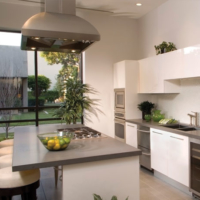

Why Silestone Worktops Are a Great Choice for Modern Kitchens Select

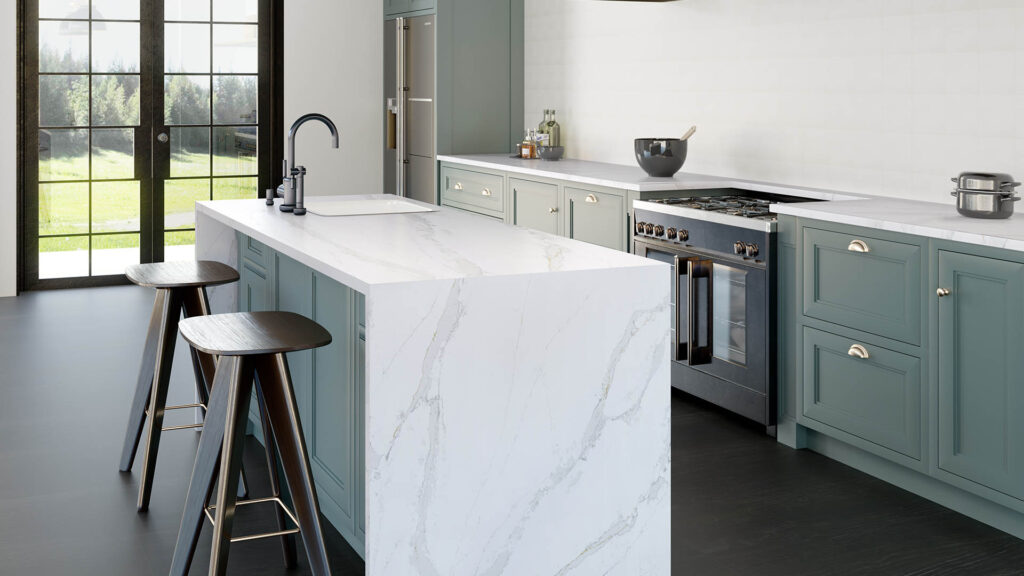
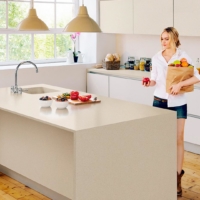
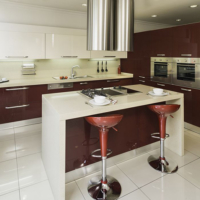
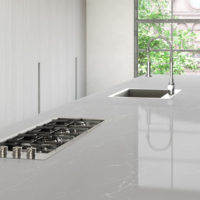
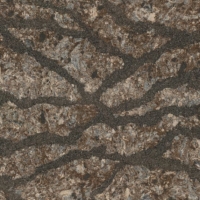
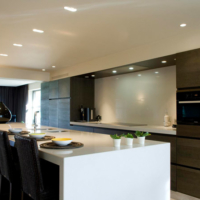
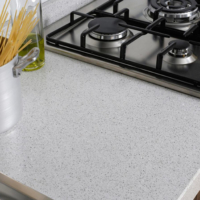
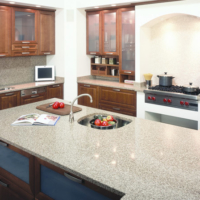
Silestone worktop

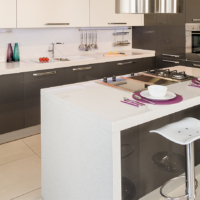
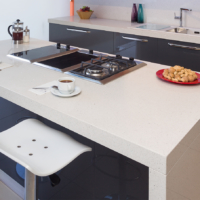
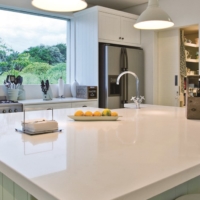
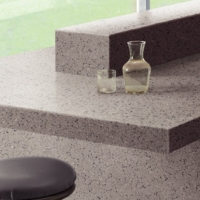
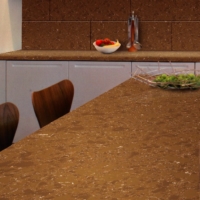
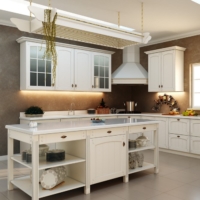
Choosing the right worktop for your kitchen is a crucial decision that affects both aesthetics and functionality. Among the various options available, Silestone worktop have gained immense popularity in modern kitchens. Known for their durability, stylish appeal, and low maintenance, Silestone is a premium quartz surface that offers numerous advantages over traditional materials like granite and marble. This article explores why Silestone worktops are a great choice for contemporary kitchens, highlighting their benefits, design options, and practical considerations.

What is Silestone?

Silestone is a brand of engineered quartz worktops created by Cosentino, a leading manufacturer of innovative surfaces. Unlike natural stone, Silestone is composed of approximately 90% natural quartz, combined with resins and other materials to enhance its strength and appearance. The result is a highly durable, non-porous surface that resists stains, scratches, and bacterial growth, making it ideal for kitchen environments.

Benefits of Silestone Worktops

1. Exceptional Durability

One of the key reasons homeowners choose Silestone worktops is their superior durability. Quartz, the primary component of Silestone, is one of the hardest minerals on Earth, making these worktops highly resistant to impact, scratches, and wear and tear. Unlike natural stone surfaces that can chip or crack over time, Silestone maintains its integrity even in high-traffic kitchens.

2. Non-Porous and Stain Resistant

Silestone worktops are non-porous, meaning they do not absorb liquids, making them highly resistant to stains. Unlike granite and marble, which require regular sealing to prevent staining, Silestone’s non-porous nature ensures that spills from coffee, wine, oil, or acidic substances do not penetrate the surface. This feature makes it incredibly easy to maintain and hygienic for food preparation.

3. Low Maintenance and Easy Cleaning

Maintaining a Silestone worktop is simple and hassle-free. A damp cloth with mild soap is sufficient for daily cleaning. Unlike natural stone surfaces that require periodic resealing and special cleaning agents, Silestone’s non-porous composition makes it inherently resistant to bacteria and mold, providing a safer and cleaner kitchen environment.

4. Wide Range of Colors and Finishes

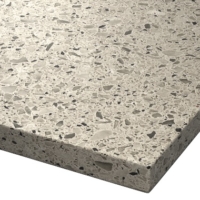
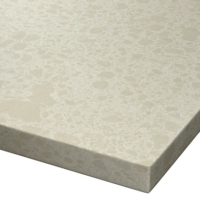
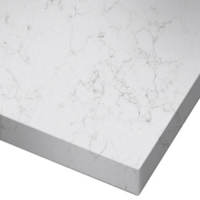
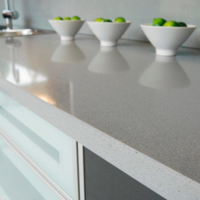
Silestone worktops come in an extensive variety of colors, textures, and finishes, allowing homeowners to customize their kitchen to match their desired aesthetic. Whether you prefer a classic, minimalist, or bold look, Silestone offers:

  • Polished Finish: Provides a glossy and reflective surface, enhancing brightness in the kitchen.
  • Suede Finish: Offers a soft, matte texture for a modern, sophisticated feel.
  • Volcano Finish: A slightly textured surface that adds depth and character to the worktop.

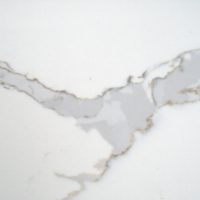
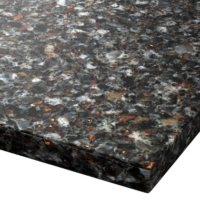
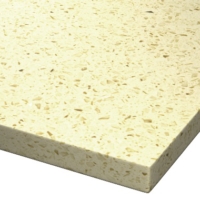
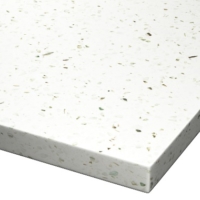
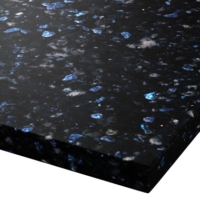
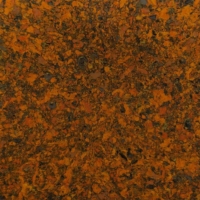
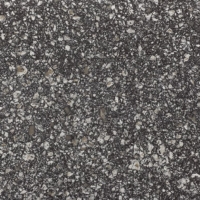
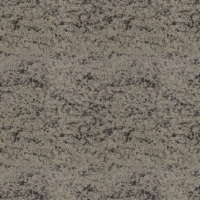
Popular Silestone color options include Calacatta Gold, White Arabesque, Stellar Night, and Eternal Marquina, each designed to complement a range of kitchen styles.

5. Seamless Integration with Modern Kitchen Designs

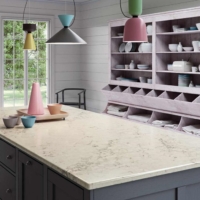
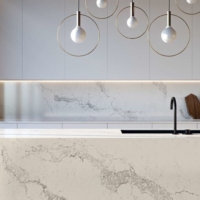
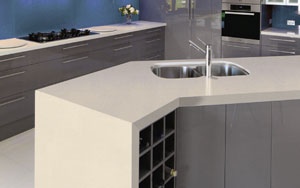
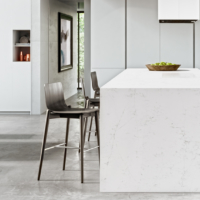
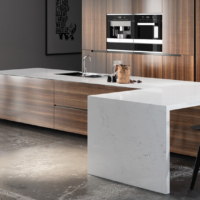
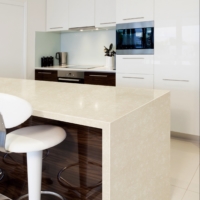
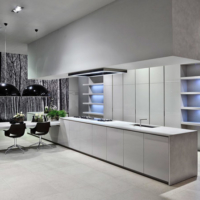
Modern kitchens emphasize sleek, streamlined designs, and Silestone worktops align perfectly with this trend. They can be fabricated to achieve seamless joins, waterfall edges, and integrated sinks, creating a clean and continuous aesthetic. The versatility of Silestone allows homeowners to achieve a high-end, bespoke look without the inconsistencies of natural stone.

6. Heat and Impact Resistance

While Silestone worktops offer good heat resistance, it is always recommended to use trivets or heat pads to prevent direct exposure to high temperatures. Compared to other materials, Silestone is highly resistant to impact, reducing the chances of cracks or chips when handling heavy kitchenware.

7. Eco-Friendly and Sustainable

For environmentally conscious homeowners, Silestone is a great choice due to its sustainable production methods. Cosentino has introduced eco-friendly options such as Silestone HybriQ+ Technology, which incorporates recycled materials and uses sustainable production techniques to reduce environmental impact.

How Does Silestone Compare to Other Worktop Materials?

Silestone vs. Granite

  • Durability: Both materials are durable, but Silestone is more resistant to stains and scratches due to its engineered composition.
  • Maintenance: Granite requires regular sealing, while Silestone is non-porous and maintenance-free.
  • Design Options: Silestone offers a more extensive range of colors and finishes compared to natural granite patterns.

Silestone vs. Marble

  • Stain Resistance: Marble is highly porous and prone to staining, while Silestone is resistant to spills and easy to clean.
  • Durability: Marble is softer and more susceptible to scratches, whereas Silestone maintains its pristine condition over time.
  • Cost: While high-quality marble can be more expensive, Silestone provides a cost-effective luxury alternative.

Silestone vs. Laminate

  • Aesthetics: Laminate worktops mimic the look of natural stone but lack the premium feel of Silestone.
  • Longevity: Silestone lasts significantly longer and withstands daily use better than laminate.
  • Value for Money: While laminate is cheaper, Silestone adds long-term value to a home with its durability and high-end appeal.

Considerations Before Choosing Silestone Worktops

1. Cost

Silestone worktops are more expensive than laminate and some types of granite but offer superior quality and longevity. The investment is worthwhile for homeowners looking for a long-lasting and stylish kitchen worktop.

2. Professional Installation Required

Due to the weight and precision required, Silestone worktops should be installed by professionals. This ensures a seamless fit and prevents potential issues with incorrect handling.

3. Heat Sensitivity

Although Silestone has good heat resistance, prolonged exposure to extreme heat can damage the surface. Using trivets or heat mats is recommended to maintain its appearance.

Conclusion

Silestone worktops are an excellent choice for modern kitchens due to their durability, low maintenance, and stunning aesthetics. With a vast range of colors, textures, and seamless design options, Silestone offers homeowners the perfect combination of beauty and functionality. Its non-porous nature, stain resistance, and sustainable production methods make it a top contender for contemporary kitchen spaces. If you’re looking for a stylish, high-performance, and long-lasting worktop, Silestone is undoubtedly a smart investment.

Whether you are remodeling your kitchen or designing a new space, choosing a Silestone worktop ensures you achieve a modern and elegant look while enjoying practical benefits that enhance your cooking experience. Investing in Silestone means choosing a worktop that stands the test of time and elevates the overall appeal of your home.

Top Design Ideas for Kitchens with Black Marble Countertops Select

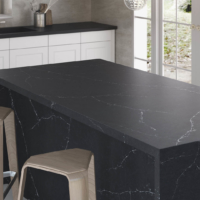
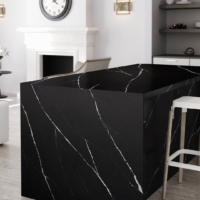
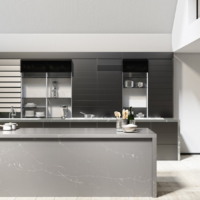
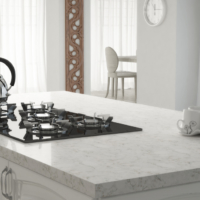
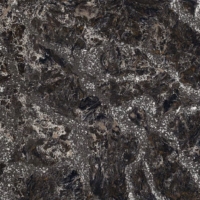
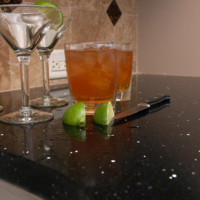
Black marble countertops

Black marble countertops are a luxurious and sophisticated addition to any kitchen. They provide a bold and dramatic aesthetic while maintaining a timeless elegance. Whether you prefer a modern, classic, or industrial style, black marble countertops can seamlessly integrate into your kitchen design. Here are some of the top design ideas to help you make the most of your black marble countertops.

Black marble countertops

1. Pairing Black Marble with White Cabinets for a Classic Contrast

One of the most popular ways to style black marble countertops is by pairing them with white cabinets. The contrast between the dark, rich tones of the marble and the crisp, clean look of white cabinetry creates a timeless and sophisticated design. This combination works well in both contemporary and traditional kitchens.

Design Tips:

  • Opt for shaker-style white cabinets for a classic appeal.
  • Use gold or brass hardware to add warmth and elegance.
  • Incorporate a white subway tile backsplash for a clean and cohesive look.

2. Creating a Modern Aesthetic with Black-on-Black Design

For a sleek and modern kitchen, consider an all-black design with black marble countertops, black cabinets, and dark flooring. This monochromatic approach creates a striking and cohesive space that exudes sophistication.

Design Tips:

  • Use matte black cabinets to contrast with the glossy or veined texture of the marble.
  • Add under-cabinet lighting to create depth and highlight the marble’s natural beauty.
  • Incorporate stainless steel or chrome appliances for a touch of brightness.

3. Industrial Chic with Black Marble and Exposed Brick

Industrial-style kitchens often feature raw materials like exposed brick, concrete, and metal accents. Black marble countertops fit seamlessly into this aesthetic by adding an element of luxury to the rugged industrial feel.

Design Tips:

  • Use open shelving with metal brackets to complement the industrial vibe.
  • Pair black marble with a butcher block island for a mix of textures.
  • Choose pendant lighting with exposed bulbs for an edgy, urban look.

4. Warm and Cozy with Wooden Accents

To soften the bold look of black marble, incorporate wooden elements in your kitchen. Natural wood cabinets, floating shelves, and wooden bar stools can create a warm and inviting space.

Design Tips:

  • Use oak or walnut wood for a rich, earthy feel.
  • Add woven or rattan chairs for a cozy, rustic touch.
  • Select warm lighting fixtures to balance the cool tones of the marble.

5. Elegant Minimalism with Sleek Lines

A minimalist kitchen with black marble countertops focuses on clean lines and a clutter-free environment. This design is perfect for those who appreciate simplicity and sophistication.

Design Tips:

  • Choose handleless cabinets for a sleek, uninterrupted look.
  • Keep décor minimal, focusing on high-quality materials and finishes.
  • Use a waterfall edge on the countertop for a seamless and modern aesthetic.

6. Luxurious Touch with Gold and Brass Accents

Gold and brass accents add a touch of luxury to black marble countertops. Whether through cabinet handles, faucets, or lighting fixtures, these warm metallic tones elevate the overall kitchen design.

Design Tips:

  • Choose gold or brass pendant lights over the kitchen island.
  • Use a gold-trimmed backsplash to enhance the elegance of the space.
  • Select bar stools with brass legs for a cohesive look.

7. Adding a Pop of Color with Bold Backsplashes

If you want to add a playful and vibrant touch to your kitchen, consider a bold backsplash that complements black marble countertops. This can create a dynamic and eye-catching focal point in your space.

Design Tips:

  • Use emerald green, deep blue, or terracotta tiles for a striking contrast.
  • Opt for geometric or Moroccan-inspired patterns to add visual interest.
  • Choose a glossy finish to reflect light and brighten the space.

8. Farmhouse Charm with Black Marble and Vintage Details

For a farmhouse-inspired kitchen, combine black marble countertops with vintage and rustic elements. This design blends the elegance of marble with the charm of traditional farmhouse style.

Design Tips:

  • Use a farmhouse sink with brass or black fixtures.
  • Install open shelving with decorative mason jars and vintage dishware.
  • Choose distressed wood cabinets for a cozy, lived-in feel.

9. Smart Lighting to Enhance Black Marble’s Elegance

Proper lighting is essential to highlight the beauty of black marble countertops. Whether you prefer a bright and airy space or a moody and dramatic ambiance, the right lighting can make all the difference.

Design Tips:

  • Install pendant lights over the island to create a focal point.
  • Use LED strip lighting under cabinets to illuminate the countertops.
  • Opt for dimmable lights to adjust the ambiance as needed.

10. Open Concept Kitchens with Black Marble Islands

In open-concept kitchens, a black marble island can serve as a stunning centerpiece that ties the entire space together. Whether used for dining, meal prep, or entertaining, a black marble island enhances both functionality and aesthetics.

Design Tips:

  • Use a waterfall edge for a seamless and modern look.
  • Pair with high-contrast bar stools to make the island stand out.
  • Keep surrounding elements neutral to let the marble be the focal point.

Conclusion

Black marble countertops are a versatile and stunning addition to any kitchen. Whether you prefer a classic black-and-white contrast, a sleek modern aesthetic, or a cozy farmhouse vibe, there are endless ways to incorporate black marble into your kitchen design. By carefully selecting cabinetry, lighting, and complementary materials, you can create a space that is both functional and visually striking. Whatever your style, black marble countertops will add a touch of sophistication and luxury to your kitchen for years to come.

How to Care for White Marble Worktops and Keep Them Looking New Select

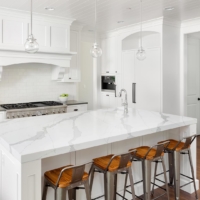
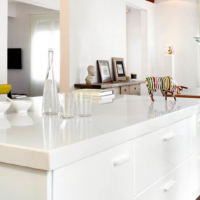
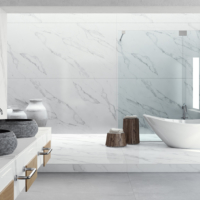
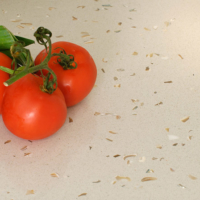
white marble worktops

White marble worktops add an element of timeless elegance and sophistication to any kitchen or bathroom. However, while their beauty is undeniable, marble is a porous and relatively soft stone that requires consistent maintenance to preserve its pristine look. With the right care routine, you can keep your white marble surfaces looking as stunning as the day they were installed. In this comprehensive guide, we will explore the best practices for cleaning, maintaining, and protecting your white marble worktops.

white marble worktops

Understanding White Marble

Marble is a natural stone composed mainly of calcium carbonate, making it prone to etching, staining, and scratching. White marble, in particular, is more susceptible to visible damage due to its light color. Common types of white marble include Carrara, Calacatta, and Statuario, each with unique veining and characteristics. Understanding the nature of marble is essential for adopting the best care practices.

Daily Cleaning Routine

A daily cleaning routine is the first step in maintaining white marble worktops. Here are some key steps to keep in mind:

1. Wipe Down the Surface Regularly

  • Use a soft, damp microfiber cloth to remove dust, crumbs, and spills.
  • Avoid using abrasive scrubbers, which can scratch the surface.

2. Use pH-Neutral Cleaners

  • Acidic substances, such as vinegar and lemon-based cleaners, can cause etching and dull the finish.
  • Opt for mild dish soap diluted with warm water or a specially formulated marble cleaner.

3. Dry the Surface Immediately

  • Marble is highly porous and can absorb liquids quickly, leading to stains.
  • Use a dry, clean cloth to remove excess moisture and prevent water spots.

Preventing Stains and Etching

1. Clean Spills Immediately

  • Acidic spills from citrus juices, wine, coffee, and tomato sauce can cause irreversible etching.
  • Blot (do not wipe) spills immediately with a paper towel or soft cloth to prevent spreading.

2. Use Coasters and Trivets

  • Always use coasters under glasses and mugs, especially those containing acidic beverages.
  • Place hot pots and pans on trivets rather than directly on the marble to prevent heat damage.

3. Apply a Marble Sealer

  • Sealing marble worktops helps reduce their porosity, making them more resistant to stains.
  • Reapply sealant every 6 to 12 months, depending on usage and exposure to liquids.

Deep Cleaning and Stain Removal

Despite the best preventive measures, stains and marks can still occur. Knowing how to treat them properly is essential.

1. Removing Oil-Based Stains

  • Stains from cooking oil, butter, or cosmetics can be lifted using a paste of baking soda and water.
  • Apply the paste to the stain, cover it with plastic wrap, and leave it overnight before wiping it off with a damp cloth.

2. Removing Organic Stains

  • Coffee, tea, and fruit stains can be treated with a solution of hydrogen peroxide and a few drops of ammonia.
  • Apply the solution to the stain and let it sit for a few minutes before wiping clean.

3. Addressing Etch Marks

  • Minor etching can often be buffed out using a marble polishing powder.
  • For deeper etching, professional refinishing may be required.

Avoiding Scratches and Dullness

1. Use Cutting Boards

  • Never cut directly on marble surfaces, as knives can leave visible scratches.
  • Always use a cutting board to protect the marble from damage.

2. Avoid Heavy Impact

  • Dropping heavy objects on marble worktops can lead to chips and cracks.
  • Be mindful when handling pots, pans, and kitchen appliances.

3. Regularly Buff and Polish

  • Polishing marble can help maintain its natural shine and smooth surface.
  • Use a marble-safe polishing powder or a soft cloth with a few drops of mineral oil.

Long-Term Maintenance Tips

1. Re-Seal the Marble Periodically

  • Over time, the sealant on marble worktops wears down, leaving the surface vulnerable to stains.
  • Perform a water test by placing a few drops of water on the surface; if it absorbs quickly, it’s time to reseal.

2. Professional Restoration

  • If your marble worktops have extensive damage, hiring a professional marble restoration service can bring them back to life.
  • Professionals use specialized equipment to polish, reseal, and repair chips or cracks.

3. Educate Household Members

  • Ensure that everyone in your household understands the importance of proper marble care.
  • Encourage mindful usage, especially in high-traffic areas like the kitchen.

Conclusion

White marble worktops are an investment in luxury and aesthetics, but they require diligence in upkeep. By following a consistent cleaning routine, using protective measures, and addressing stains or damage promptly, you can keep your marble surfaces looking new for years to come. With the right care and attention, your white marble worktops will continue to enhance your space with their timeless beauty and charm.