
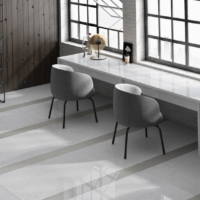
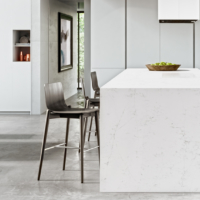














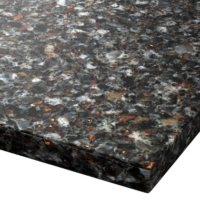
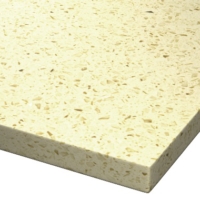
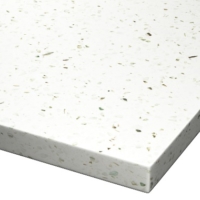
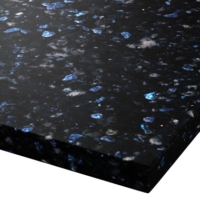


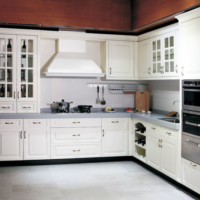
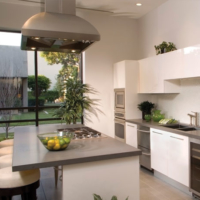

Why Marble Kitchen Worktops Are the Ultimate Choice for Luxury Homes Select

marble kitchen worktops

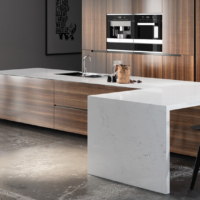
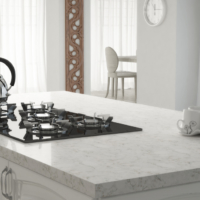
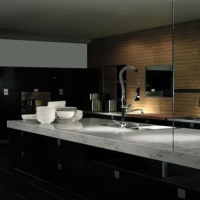
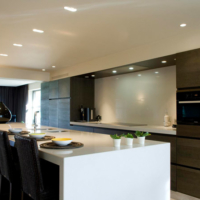
When designing a luxury kitchen, every detail matters—from high-end appliances to exquisite cabinetry. One element that consistently stands out in opulent kitchens is the choice of worktops. Among the various materials available, marble remains the gold standard for homeowners seeking a blend of elegance, timeless appeal, and functionality.

Marble kitchen worktops have been a staple in luxury homes for centuries, gracing the kitchens of grand estates, modern mansions, and stylish penthouses. But what makes marble the ultimate choice for a high-end kitchen? This article explores the many reasons why marble kitchen worktops are synonymous with luxury and why they continue to be a top choice for designers and homeowners alike.


1. The Unparalleled Aesthetic Appeal of Marble

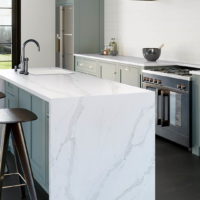
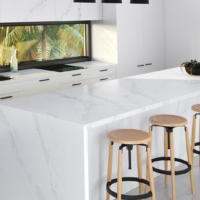
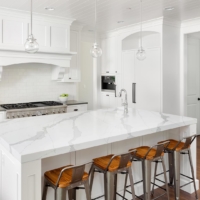
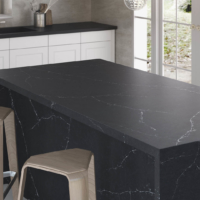
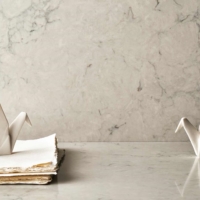
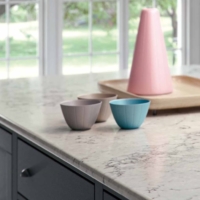
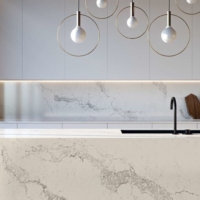
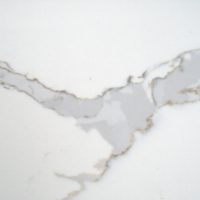
Marble is renowned for its natural beauty, featuring intricate veining and unique patterns that make every slab one of a kind. Unlike synthetic materials, no two marble worktops are ever identical, adding a touch of exclusivity to your kitchen.

Timeless Elegance

One of the defining characteristics of marble is its classic appeal. For centuries, it has been used in iconic architecture, from ancient Greek temples to Renaissance sculptures. The same timeless beauty translates to kitchen interiors, ensuring that a marble worktop will never go out of style.

Variety of Colors and Patterns

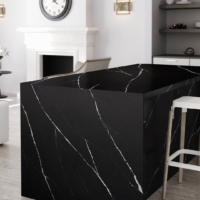
Marble is available in a range of colors, from the ever-popular white Carrara and Calacatta varieties to striking shades of black, green, gold, and pink. Whether you prefer a subtle and understated look or a bold statement piece, there’s a marble slab to suit your aesthetic vision.


2. Association with Luxury and Prestige

Marble has long been associated with wealth, luxury, and sophistication. Historically, it has been the material of choice for palaces, cathedrals, and grand estates. In modern homes, it continues to symbolize exclusivity and refined taste.

Favored by Interior Designers and Celebrities

Luxury kitchen designs often feature marble worktops, as seen in celebrity homes and high-end interior design magazines. The presence of marble instantly elevates the space, making it feel more upscale and sophisticated.

Exclusivity and Rarity

Unlike engineered quartz or laminate, marble is a natural stone formed over thousands of years. The unique veining and coloration of each slab ensure that your worktop is one of a kind, adding a sense of exclusivity to your kitchen.


3. Functionality and Durability

A luxury kitchen isn’t just about aesthetics—it also needs to be functional. Marble, despite being softer than granite, remains a highly durable material that can withstand the demands of a busy kitchen.

Heat Resistance

One of the biggest advantages of marble is its natural resistance to heat. Unlike wood or laminate, it won’t scorch or warp when exposed to hot pots and pans, making it an excellent choice for avid cooks and bakers.

Perfect for Baking and Cooking

Professional chefs and home bakers alike love marble worktops because of their cool surface, which is ideal for rolling out dough and working with pastry. This makes marble a preferred material in high-end kitchens where cooking is a priority.

Longevity with Proper Care

With the right maintenance, marble worktops can last for decades. Many historical buildings still feature original marble elements that have stood the test of time, proving its lasting durability.


4. Customization and Versatility

Luxury homes often feature custom-designed kitchens, and marble worktops offer endless possibilities for customization.

Slab Selection and Finishes

Marble comes in different finishes, including:

  • Polished: High-gloss and reflective, enhancing the stone’s natural beauty.

  • Honed: Matte finish that reduces glare and hides minor scratches.

  • Leathered: Textured finish for a more rustic and unique appearance.

Seamless Integration with Any Design Style

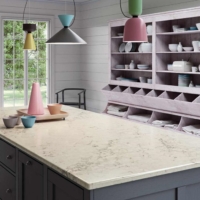
Marble complements a variety of interior styles, from classic and traditional to sleek and modern. Whether paired with minimalist white cabinetry or rich, dark wood, marble enhances the overall aesthetic of the kitchen.


5. Adds Value to Your Home

For homeowners looking to invest in their property, marble worktops can significantly boost the home’s value.

Increased Resale Appeal

Luxury buyers often prioritize high-end materials in their home searches. A kitchen with marble worktops instantly adds desirability, making the property stand out in a competitive market.

Justifies a Higher Asking Price

Marble is a premium material, and potential buyers recognize its value. Homes with marble kitchens can command higher asking prices, making it a smart investment for homeowners.


6. Caring for Marble Worktops

While marble is a luxurious and durable material, it does require some care to maintain its pristine appearance. Here are a few tips for keeping your marble kitchen worktops looking stunning:

Seal Regularly

Since marble is porous, sealing it helps protect against stains from liquids like wine, coffee, and oil. Most experts recommend sealing marble once or twice a year.

Clean with Gentle Products

Avoid harsh chemicals or acidic cleaners like vinegar and lemon, which can etch the surface. Instead, use pH-neutral cleaners or a simple mix of mild soap and water.

Wipe Spills Immediately

To prevent staining, always clean up spills as soon as they happen. Blot the liquid rather than wiping to avoid spreading.

Use Cutting Boards and Trivets

Although marble is heat-resistant, using trivets under hot cookware can help preserve its finish. Cutting boards should also be used to prevent scratches from knives.


7. Sustainable and Eco-Friendly Choice

With sustainability becoming a key factor in home design, marble is a great option for environmentally conscious homeowners.

Natural and Biodegradable

Unlike synthetic materials, marble is 100% natural and biodegradable, making it an eco-friendly choice for your kitchen.

Minimal Processing Required

Marble requires less energy to produce compared to engineered stone, making it a more sustainable choice for luxury home renovations.


Conclusion

Marble kitchen worktops are the epitome of luxury, offering an unparalleled blend of beauty, functionality, and prestige. Their timeless appeal, durability, and ability to elevate the value of a home make them a top choice for discerning homeowners.

While marble does require some maintenance, the elegance it brings to a kitchen is well worth the effort. Whether you’re designing a classic, modern, or contemporary space, a marble worktop will always make a statement of sophistication and opulence.

If you’re looking to create a kitchen that exudes class and exclusivity, investing in marble worktops is the ultimate way to achieve that high-end look.
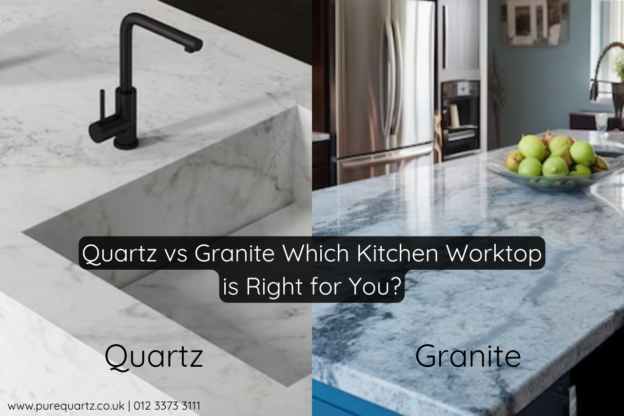
Quartz vs Granite Which Kitchen Worktop is Right for You? Select

quartz kitchen worktops

When designing or renovating a kitchen, choosing the right worktop is one of the most important decisions. One of the most popular option is quartz kitchen worktops. these materials offer durability, style, and unique benefits, making it difficult to decide which is best for your home. In this guide, we’ll compare quartz and granite across various factors such as appearance, durability, maintenance, cost, and environmental impact to help you make an informed decision.

quartz kitchen worktops

1. Understanding Quartz and Granite Worktops

What is Quartz?

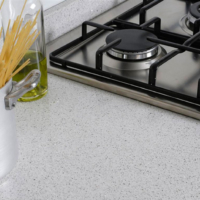
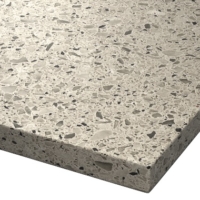
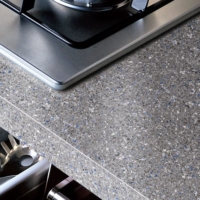
Quartz worktops are engineered stone surfaces made from 90-95% natural quartz mixed with resins, polymers, and pigments. This manufacturing process creates a non-porous, highly durable surface available in a wide range of colors and patterns.

What is Granite?

Granite is a 100% natural stone that is quarried from the earth, cut into slabs, and polished for use as a worktop. Each piece of granite is unique, featuring natural patterns and color variations formed over millions of years.

2. Appearance: Natural Beauty vs. Consistent Elegance

Quartz: Modern & Customizable

  • Available in consistent colors and patterns, making it easier to match different kitchen designs.
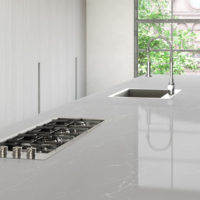
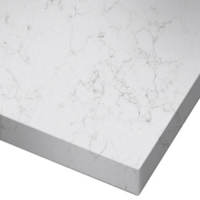
  • Can mimic the look of natural stone like marble and granite.
  • Comes in a variety of finishes, from matte to polished.

Granite: Unique & Timeless

  • Each slab has one-of-a-kind patterns and veining, making every kitchen unique.
  • Features earthy tones with deep, rich color variations.
  • Provides a classic, luxurious appeal that adds value to a home.

Winner: If you prefer a uniform appearance, quartz is the better option. If you want a one-of-a-kind natural look, granite is the way to go.

3. Durability & Strength

Quartz Durability

  • Extremely strong and resilient due to its engineered nature.
  • Non-porous, meaning it won’t absorb liquids or stains.
  • Highly resistant to scratches and chips, making it ideal for busy kitchens.

Granite Durability

  • Naturally hard and heat-resistant, but more porous than quartz.
  • Prone to staining if not sealed properly.
  • Can chip or crack if subjected to heavy impact.

Winner: Quartz is the more durable option due to its non-porous nature and resistance to stains and scratches.

4. Maintenance: Easy Cleaning vs. Periodic Sealing

Quartz Maintenance

  • Low maintenance – requires only mild soap and water for cleaning.
  • No need for sealing due to its non-porous surface.
  • Resistant to bacteria growth, making it a hygienic choice.

Granite Maintenance

  • Requires periodic sealing (typically once a year) to maintain its resistance to stains.
  • Can absorb liquids and bacteria if not properly sealed.
  • Needs to be cleaned with mild detergents to avoid damaging the stone.

Winner: Quartz requires less maintenance, making it the more convenient option for homeowners.

5. Heat & Scratch Resistance

Quartz Performance

  • Heat-resistant but not heatproof – exposure to high temperatures can damage the resin.
  • Resistant to scratches, but using cutting boards is still recommended.

Granite Performance

  • Highly heat-resistant – can withstand hot pots and pans without damage.
  • Scratch-resistant but can chip if impacted by heavy objects.

Winner: Granite is the best choice for heat resistance, but both materials are highly durable when used properly.

6. Cost: Which is More Budget-Friendly?

Quartz Pricing

  • The price of quartz worktops varies from £50 to £150 per square foot, depending on the brand and design.
  • Installation costs are generally lower since it doesn’t require sealing or specialized handling.

Granite Pricing

  • Granite worktops cost between £40 to £200 per square foot, depending on the rarity of the stone.
  • Higher installation costs due to the need for professional sealing and handling.

Winner: Quartz is more budget-friendly in terms of long-term costs since it doesn’t require sealing or additional maintenance expenses.

7. Environmental Impact: Sustainable Choice

Quartz Environmental Impact

  • Engineered quartz requires energy-intensive manufacturing processes.
  • Some brands offer eco-friendly quartz made from recycled materials.

Granite Environmental Impact

  • Quarrying natural granite can have a larger environmental footprint due to extraction and transportation.
  • No additional processing chemicals are needed, making it a more natural choice.

Winner: Both have environmental pros and cons, but quartz with recycled content can be a more sustainable option.

8. Which Worktop is Right for You?

Choose Quartz If:

✅ You want a low-maintenance and stain-resistant worktop. ✅ You prefer a consistent and modern look. ✅ You need a highly durable and scratch-resistant surface. ✅ You want more color and design choices.

Choose Granite If:

✅ You love natural beauty and unique patterns. ✅ You need a highly heat-resistant worktop. ✅ You don’t mind occasional maintenance and sealing. ✅ You want a classic and luxurious appearance.

Final Verdict

Both quartz and granite are excellent choices for kitchen worktops. If you want a worktop that is easy to maintain, more durable, and available in many styles, quartz is the better choice. However, if you value natural beauty, uniqueness, and heat resistance, granite is the way to go.

Ultimately, the best worktop for your kitchen depends on your personal preferences, budget, and lifestyle.

How to Maintain Marble in Your Bathroom: Expert Tips and Tricks Select

bathroom marble

Marble is one of the most luxurious and timeless materials used in bathroom design. With its unique veining, glossy surface, and sophisticated aesthetic, bathroom marble, giving it a spa-like, high-end feel. However, to keep your marble surfaces looking as pristine as the day they were installed, proper care and maintenance are essential. Whether you’re dealing with marble countertops, floors, or shower walls, marble can require a little extra attention to ensure it maintains its beauty and durability.

In this article, we’ll share expert tips and tricks on how to maintain marble in your bathroom, covering cleaning, sealing, preventing damage, and everyday upkeep.

1. Understanding Marble and Its Sensitivity

Before diving into maintenance tips, it’s important to understand why marble requires special care. Marble is a natural stone made primarily of calcium carbonate. This composition makes it more porous and susceptible to damage from acidic substances like lemon juice, vinegar, and even some cleaning products.

When acid comes into contact with marble, it can etch the surface, creating dull spots and damaging the finish. The material also tends to absorb moisture and oils, which can lead to staining if not properly sealed or maintained. With the right precautions, however, you can preserve the beauty of your marble surfaces for years.

2. Cleaning Marble the Right Way

Proper cleaning is one of the most crucial aspects of marble care. Regular cleaning will help maintain the marble’s polished surface and prevent the buildup of grime and bacteria. Here are some expert cleaning tips:

a. Use a Gentle, pH-Balanced Cleaner

Since marble is sensitive to acidic substances, avoid harsh chemical cleaners, bleach, or anything with vinegar or citrus in it. Instead, opt for a mild, pH-neutral cleaner. You can purchase specific marble cleaners from home improvement stores or online, or you can make your own with a gentle dish soap diluted in warm water.

b. Avoid Abrasive Scrubbers

While it may be tempting to scrub away stubborn stains with a scouring pad or abrasive sponge, doing so can scratch and dull the marble. Use a soft microfiber cloth or a sponge with a soft side to gently clean the surface. For bathroom floors, a soft-bristled broom or a vacuum cleaner (on a low setting) is best for sweeping away dirt and dust.

c. Wipe Up Spills Immediately

Water, soap, shampoo, and toothpaste can all leave stains or residue on marble. If these liquids are allowed to sit too long, they can seep into the stone or cause etching. Wipe up spills immediately with a clean, soft cloth. For liquid soap, oils, or hair products, be extra vigilant to avoid stains.

d. Daily Cleaning

For daily cleaning, use a damp cloth to wipe down counters, sinks, and floors. This will remove dust and watermarks before they build up. Dry the surface with a clean microfiber cloth to prevent water spots and to keep the surface gleaming.

3. Sealing Your Marble Surfaces

One of the most important aspects of maintaining marble in your bathroom is sealing it. While marble is beautiful, it’s naturally porous, which means it can absorb liquids, oils, and dirt over time. This can lead to discoloration or permanent stains if not properly sealed. Sealing your marble creates a protective barrier that helps prevent damage from spills and moisture.

a. When to Seal Marble

Newly installed marble should be sealed right after installation. For existing marble, it’s a good idea to reseal it once every 6 to 12 months, depending on how frequently the surface is used and how porous the marble is. For heavily used areas like marble floors or bathroom countertops, resealing may be required more frequently.

b. Choosing the Right Sealant

There are two types of sealers commonly used for marble: impregnating sealers and topical sealers. Impregnating sealers penetrate the stone and create a waterproof barrier, while topical sealers form a protective layer on the surface.

For bathrooms, impregnating sealers are the best choice as they are more durable, don’t alter the appearance of the marble, and allow it to “breathe.” Always choose a sealer specifically designed for marble or natural stone to ensure you’re providing the best protection.

c. How to Apply Sealer

To apply sealer, start by cleaning the marble surface thoroughly and allowing it to dry completely. Next, use a soft cloth or sponge to apply a thin, even layer of sealer across the surface, following the manufacturer’s instructions. Avoid applying too much sealer as it can leave streaks or residue. After the recommended drying time, buff the surface with a clean, dry microfiber cloth to ensure an even finish.

d. Test the Seal

Once sealed, test your marble by placing a few drops of water on the surface. If the water beads up, the sealer is working. If the water soaks into the stone, it’s time to reseal.

4. Preventing Damage from Water and Humidity

Bathrooms are high-moisture environments, which means there is a higher risk of damage from water and humidity. Over time, exposure to constant moisture can cause marble to dull or develop water stains.

a. Use a Bathroom Fan

To prevent excess moisture from building up on your marble surfaces, use a bathroom fan during and after showers or baths. This will help reduce humidity levels and protect your marble from the long-term effects of moisture.

b. Place Mats or Towels in High-Use Areas

In areas prone to frequent water exposure, such as near the sink or bathtub, place absorbent mats or towels to catch any drips. This will reduce the amount of water that comes in contact with the marble.

c. Avoid Standing Water

If water collects on your marble floor or countertop, wipe it up immediately. Prolonged exposure to standing water can lead to stains, discoloration, or even mold growth in the seams.

5. Avoiding Common Marble Problems

a. Preventing Etching

Etching is one of the most common forms of damage to marble, often caused by acidic substances like lemon juice, vinegar, and some cleaning products. Etching leaves dull spots or marks on the surface that can be hard to fix. To prevent etching:

  • Never use acidic cleaners on marble.
  • Use a cutting board or tray for acidic products like cosmetics or skincare items that might contain citric acid.
  • Always clean up spills as soon as possible, especially from beverages like coffee, wine, or juices.

b. Stain Prevention

Although sealing helps protect your marble, it’s still essential to avoid letting substances sit on the surface for too long. Oils from skincare products, makeup, and toothpaste can stain marble. Here’s what you can do to prevent staining:

  • Regularly clean the marble to remove residue.
  • Use coasters or trays for cosmetics, lotions, and oils.
  • For stubborn stains, use a poultice (a paste made from a cleaning agent and absorbent material) to lift the stain. Let it sit for a few hours before wiping away.

6. Polishing Marble for a Shine

Marble naturally develops a shine when properly cleaned and maintained. However, if your marble surfaces begin to lose their luster, you can polish them back to life.

  • How to polish: After cleaning the marble, apply a marble polishing powder or a stone polish recommended for use with marble. Follow the instructions on the product for best results. Usually, you’ll need to apply it to a dry surface and buff it with a soft cloth until you achieve a glossy finish.

  • Polishing frequency: Polishing can be done as needed, but don’t overdo it, as excessive polishing can lead to a build-up of product residue.

7. Final Thoughts: Long-Term Care and Maintenance

While marble requires some attention, it’s well worth the effort if you want to maintain its luxurious look in your bathroom. With a routine of regular cleaning, sealing, and careful attention to spills and stains, your marble surfaces can retain their beauty for years to come. Remember, the key is gentle care—avoid harsh chemicals, protect the surface from acidic substances, and seal it regularly to ensure it stays in top condition.

By following these expert tips and tricks, you can enjoy the elegance of marble in your bathroom for years, all while maintaining its pristine beauty with minimal effort.