















Tag Archives: marble flooring uk

Marble Flooring UK: A Timeless Solution for Elegant Interiors Select

marble flooring uk

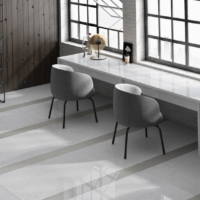
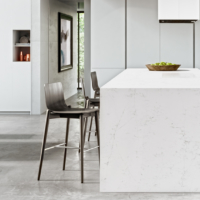
Marble flooring has been a symbol of luxury and elegance for centuries, and it continues to be a popular choice for homeowners across the UK. Its unique aesthetic appeal, durability, and versatility make it a perfect option for anyone looking to elevate the look of their interiors. Whether you’re renovating an existing space or building a new home, marble flooring UK is a timeless investment that adds sophistication to any room.


Why Choose Marble Flooring in the UK?

1. Elegance and Aesthetic Appeal

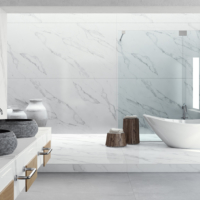
Marble flooring UK is widely recognized for its luxurious look and feel. Its natural beauty, intricate veining, and unique color variations can enhance the elegance of any space. Whether you choose classic white marble or opt for darker tones like black or grey, marbles flooring UK offers an unparalleled level of sophistication.

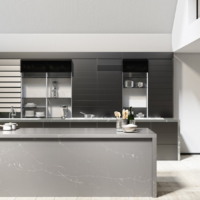
In a country like the UK, where architectural heritage plays an important role, marble flooring UK fits perfectly with both traditional and contemporary interiors. The material complements a wide range of design styles, from opulent classic designs to minimalist modern spaces.

2. Durability and Longevity

One of the most significant advantages of marble flooring UK is its durability. Marble is a natural stone that can withstand heavy foot traffic, making it an ideal option for high-traffic areas in your home, such as hallways, kitchens, and living rooms. With proper care and maintenance, marble flooring UK can last for decades, ensuring that your investment remains intact for years to come.

Unlike wood flooring, which can warp over time, or tile flooring, which may crack, marble flooring UK remains strong and resilient, even under challenging conditions. Its ability to resist wear and tear makes it a long-term investment for homeowners in the UK.

3. Increases Property Value

Adding marble flooring UK to your home can significantly increase its value. Many buyers view marble as a luxury feature, and its presence can elevate the overall appeal of your property. Whether you’re selling your home or simply want to improve its aesthetics, marble flooring UK is a wise choice.

In fact, homes with marble flooring UK tend to attract higher sale prices and have a competitive edge in the real estate market.

4. Easy to Clean and Maintain

Marble flooring UK is relatively easy to clean and maintain. Regular sweeping or vacuuming to remove dirt and debris, combined with occasional mopping with a damp cloth, will keep your floors looking pristine.

Because of its smooth surface, marble flooring UK does not trap dust or allergens, making it an ideal option for people with allergies. However, it is essential to wipe up spills immediately, as marble is a porous material and can stain if left untreated for an extended period.

5. Cool and Comfortable Underfoot

In the UK, where the climate tends to be cool and damp, marble flooring UK is an excellent choice. It remains cool even during the summer months, making it a comfortable option for homes in warmer climates. In winter, marble can be combined with underfloor heating to maintain warmth and comfort.

The natural cooling properties of marble flooring UK also help to regulate indoor temperatures, keeping your home pleasant and energy-efficient.

How to Choose the Best Marble Flooring for Your Home

When it comes to selecting marble flooring UK, several factors come into play. Here are some tips to help you make the best choice for your home:

1. Consider the Type of Marble

There are various types of marble available on the market, each with unique characteristics. The most common types of marbles flooring UK include:

  • Carrara Marble: Famous for its white base and grey veining, Carrara marble is often used in kitchens and bathrooms.

  • Calacatta Marble: Known for its striking white background and bold, gold or grey veining, Calacatta marble is a premium option for those seeking a high-end, luxurious appearance.

  • Emperador Marble: A dark brown marble with intricate veining, ideal for creating a sophisticated, rich look in living rooms and dining areas.

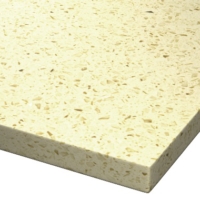
  • Crema Marfil Marble: A light beige marble that’s versatile and complements a wide range of interior styles.

Consider the style and color of your existing décor when choosing the type of marbles flooring UK that will work best for your space.

2. Polished vs. Honed Marble

Marbles flooring UK can be finished in two main ways: polished or honed.

  • Polished Marble: This finish gives the marble a glossy and reflective surface, which enhances its natural color and veining. It’s perfect for adding a luxurious touch to any room, but it can be slippery when wet.

  • Honed Marble: This finish provides a matte, non-reflective surface that has a more natural, understated look. Honed marble is less slippery, making it a great choice for high-traffic areas and bathrooms.

Consider the function of the room and your personal style when deciding on the finish of your marbles flooring UK.

3. Assess the Quality

Not all marble is created equal, so it’s essential to choose high-quality marble for your flooring. Check for signs of authenticity and inspect the marble for any cracks, chips, or inconsistencies. Quality marbles flooring UK should have a consistent color and veining pattern, and the tiles should be uniform in size and thickness.

Always purchase your marbles flooring UK from reputable suppliers to ensure you’re getting a top-quality product.

Cost of Marble Flooring in the UK

The cost of marbles flooring UK varies depending on the type of marble you choose, the quality of the stone, and the size of your project. On average, marbles flooring UK can cost between £50 to £150 per square meter, including installation. Premium options such as Calacatta or rare marble types can cost even more.

While the initial investment might be higher compared to other flooring materials, the long-lasting durability and aesthetic appeal of marbles flooring UK make it a worthwhile investment in the long run.

Frequently Asked Questions (FAQ)

1. Is marbles flooring UK slippery?

Yes, polished marbles flooring UK can be slippery, especially when wet. If you are concerned about slipperiness, consider using honed marble or adding anti-slip treatments to your polished marble flooring UK.

2. Can marbles flooring UK be used in bathrooms?

Yes, marbles flooring UK is an excellent choice for bathrooms. Its resistance to water and humidity makes it ideal for wet areas. However, ensure that the marble is sealed correctly to prevent staining and water damage.

3. How do I maintain marble flooring UK?

To maintain marbles flooring UK, sweep or vacuum regularly to remove dust and debris. Mop with a damp cloth and use a marble-friendly cleaner to avoid damaging the surface. Avoid acidic cleaners like vinegar, as they can erode the marble flooring UK.

4. Can marbles flooring UK be repaired if damaged?

Yes, marbles flooring UK can be repaired if it becomes chipped or cracked. Minor repairs can be done using marble filler, while larger issues may require professional restoration services.

5. How long does marbles flooring UK last?

With proper care and maintenance, marbles flooring UK can last for decades. It is a highly durable material that withstands wear and tear over time, making it a long-term investment.

Conclusion

Marbles flooring UK is a timeless solution that adds elegance and luxury to any interior. Its durability, aesthetic appeal, and ease of maintenance make it a popular choice for homeowners across the UK. Whether you’re renovating a traditional home or building a modern space, marbles flooring UK can elevate the beauty of your home while providing a lasting, durable solution.


How to Maintain Marble Flooring UK | Essential Tips for Longevity Select

marble flooring uk

Marble flooring UK is a luxurious and timeless choice for homeowners across the UK. Known for its elegance, durability, and unique veining, marble can elevate the aesthetic of any space. However, to ensure its longevity and keep it looking pristine for years, proper care and maintenance are essential. 

1. Understanding Marble Flooring: Why It Needs Special Care

Marble is a natural stone made from crystallized limestone, often found in a range of shades, including white, cream, beige, grey, and even vibrant colours like green and red. While it’s renowned for its beauty and resilience, marble is more porous than other flooring materials, meaning it can absorb liquids and stains more easily. Additionally, its surface can become scratched, discoloured, or dull without proper maintenance.

The British climate, particularly its humidity levels and occasional damp conditions, can also affect the performance of marble flooring, especially in kitchens, bathrooms, or hallways where moisture levels fluctuate.

2. Essential Marble Flooring Maintenance Tips

To maintain marble flooring UK, a few key steps are necessary to preserve its beauty and functionality. Below are some expert tips for keeping your marble floors in pristine condition.

2.1 Regular Cleaning and Sweeping

The first step in maintaining marble floors is to keep them free from dust, dirt, and debris. Over time, small particles can scratch the surface of the stone, leading to wear and tear. Sweeping your marble flooring regularly using a soft-bristle broom or a microfiber dust mop can remove dirt and prevent abrasion.

2.2 Use a pH-Balanced Cleaner

Avoid harsh chemical cleaners that can damage the surface of the marble. Instead, use a pH-balanced cleaner specifically designed for marble or stone floors. A gentle solution of mild dish soap mixed with warm water can also suffice for routine cleaning.

When mopping, always use a damp mop, not a soaking wet one, as excessive moisture can seep into the stone and cause long-term damage. Ensure that your mop is well-wrung to avoid water pooling on the floor.

2.3 Deal with Spills Immediately

One of the main threats to marble flooring is spills, especially acidic substances like wine, vinegar, or citrus juice. These liquids can cause staining or even etching, where the surface becomes dull and damaged.

If a spill occurs, blot it immediately with a clean, dry cloth. Do not rub the spill, as this can spread it and cause further damage. Once the liquid is blotted up, clean the area with a damp mop and mild detergent.

2.4 Polishing and Buffing

Over time, marble flooring can lose its shine and lustre. To restore its glossy finish, use a marble-specific polish or a polishing powder. When buffing, use a soft cloth or a high-speed floor buffer designed for stone floors. Polishing should be done sparingly—only a few times a year—so as not to build up an excess of product.

Remember that marble floors can develop a patina (a soft sheen created from natural wear). For a more rustic look, some homeowners may prefer to let the floor develop this patina over time rather than polishing it back to its original shine.

3. Preventing Damage to Marble Flooring

Preventing damage is just as important as cleaning. Here are some tips to protect your marble flooring from common risks:

3.1 Use Mats and Rugs

Placing mats or rugs in high-traffic areas, such as entryways, kitchen entrances, and hallways, can help protect your marble floors from dirt, grit, and moisture. Choose mats with a non-slip backing to avoid any potential accidents.

3.2 Protect Against Scratches

Marble is a delicate surface that can scratch easily. To prevent scratches, ensure that heavy furniture, such as tables and chairs, has felt pads attached to the bottom. Additionally, avoid dragging furniture or sharp objects across the floor. When moving furniture, always lift it rather than sliding it.

3.3 Avoid Acidic Products

As mentioned earlier, acidic substances can damage marble flooring, so avoid products like vinegar, lemon juice, or bleach. If you need to clean stains, opt for a gentle solution that’s safe for marble surfaces.

3.4 Humidity Control

In the UK, the climate can often lead to high humidity levels, which can negatively affect marble flooring. Excess moisture can lead to discoloration or mildew, especially in bathrooms or kitchens.

Using a dehumidifier can help control moisture in the air. In areas with high humidity, consider installing a vent fan to reduce moisture levels and keep your marble floor dry.

4. Dealing with Stains and Discolouration

Despite your best efforts, stains and discolouration can still occur over time. Here’s how to address some of the most common issues:

4.1 Oil and Grease Stains

Oil and grease stains are particularly common in kitchens. To remove them, apply a paste made of baking soda and water to the stain and let it sit for a few hours. Once the paste has dried, gently scrub with a soft brush or cloth before wiping away the residue.

4.2 Etching and Scratches

Etching occurs when an acidic substance reacts with the marble surface, leaving behind dull spots. If you notice etched areas, they may need to be professionally restored. Professional marble restoration services use special compounds and techniques to remove etching and scratches from the surface.

4.3 Hard Water Stains

Hard water can leave behind mineral deposits, especially in bathrooms. To clean these stains, use a mixture of water and a few drops of mild dish detergent, or purchase a marble-specific cleaner designed to remove water stains.

5. Professional Marble Maintenance and Restoration

While regular care and cleaning can go a long way in preserving your marble flooring, sometimes professional restoration may be necessary. Professionals can address issues like deep scratches, severe stains, and etching that may be beyond the scope of DIY cleaning.

Additionally, stone flooring restoration services can perform a deep polish or reseal the floor, which helps protect the surface from future damage.

6. Frequently Asked Questions (FAQ)

Q1: How often should I clean my marble flooring?

Ideally, you should clean your marble floors at least once a week to remove dirt and debris. However, high-traffic areas may require more frequent cleaning.

Q2: Can I use a steam mop on marble flooring?

No, steam mops can damage marble flooring by allowing moisture to seep into the stone. Instead, use a damp mop with a mild cleaner.

Q3: How do I prevent my marble flooring from yellowing?

Yellowing can be caused by exposure to acidic substances, sunlight, or moisture. To prevent this, clean up spills immediately, avoid placing rugs or mats that can trap moisture, and consider using UV-protective window films to reduce sunlight exposure.

Q4: Should I seal my marble flooring?

Yes, sealing your marble flooring helps protect it from stains and moisture. Depending on the type of marble, sealing should be done every 1-3 years.

Q5: Can I remove deep stains from marble flooring myself?

Deep stains, particularly those caused by etching, may require professional restoration. For surface stains, a DIY solution like baking soda paste may work effectively.

7. Conclusion

Marble flooring is an elegant addition to any home, but it requires ongoing care to maintain its beauty and durability. By following the essential maintenance tips outlined in this guide, you can ensure your marble floors stay in pristine condition for years to come. Regular cleaning, protecting against scratches, and addressing spills immediately are the foundation of a long-lasting marble floor. For more serious issues, don’t hesitate to consult a professional for restoration services.

Marble Flooring UK: A Sustainable Option for Modern Homes Select

marble flooring uk

When it comes to flooring, homeowners are increasingly leaning towards sustainable options that offer durability, elegance, and long-term value. Among the various materials available, marble flooring UK stands out as a timeless and eco-friendly choice. Known for its luxurious appeal and long-lasting performance, marble flooring offers both aesthetic beauty and sustainability, making it an ideal choice for modern homes. In this article, we will explore why marble flooring is an excellent sustainable option, its benefits, how it compares to other flooring materials, and how to care for it to ensure it lasts for generations.

What Makes Marble Flooring a Sustainable Choice?

Marble is a natural stone that has been used for centuries in various architectural applications. Its sustainability comes from several factors, including its durability, natural origins, and low environmental impact during production. Let’s dive deeper into these aspects.

1. Natural Resource

Marble is a natural material, and its extraction involves minimal processing compared to synthetic flooring materials. While mining does have an environmental impact, marble can be sourced responsibly from quarries that use sustainable practices. The use of natural stone ensures that the flooring is not contributing to the release of harmful chemicals into the environment, unlike synthetic flooring options such as vinyl or laminate, which may contain non-renewable materials.

2. Longevity and Durability

Marble is one of the most durable flooring materials available. Unlike hardwood, which can be prone to scratches, dents, and water damage, marble is resistant to wear and tear. It can last for decades, if not centuries, with the proper care. Its ability to withstand heavy foot traffic, spills, and general wear makes it a more sustainable option than flooring materials that require frequent replacement or maintenance. As a result, marble floors reduce the need for constant manufacturing and transportation of new materials, lowering the overall environmental footprint.

3. Energy Efficiency

Marble’s natural thermal properties make it an energy-efficient choice for homes. It can absorb and store heat from the sun during the day and release it slowly at night, helping to regulate indoor temperatures. This natural temperature regulation can reduce the need for artificial heating and cooling, lowering energy consumption and your carbon footprint.

4. Recyclability

At the end of its long life, marble flooring can be repurposed or recycled. Many companies specialize in reusing marble for other building projects, such as countertops or cladding. This ability to be recycled helps reduce waste and ensures that the material doesn’t end up in a landfill.

Benefits of Marble Flooring for Modern Homes

1. Aesthetic Appeal

Marble flooring has an unparalleled aesthetic quality. With its unique veining and lustrous finish, each slab is a work of art in itself. Whether you choose a polished, honed, or brushed finish, marble’s natural beauty adds sophistication and elegance to any room. Its neutral color palette, ranging from white to beige, grey, and even green or red, makes it versatile enough to complement a variety of interior design styles.

2. Improved Indoor Air Quality

Unlike carpets or synthetic flooring, marble doesn’t trap dust, dirt, or allergens. Its smooth surface makes it easy to clean and maintain, promoting better indoor air quality. For those with allergies or respiratory issues, marble flooring can be a healthier alternative as it doesn’t harbor allergens or mold.

3. Increase in Property Value

Marble flooring can increase the resale value of a home due to its luxury and durability. Potential buyers often view homes with marble floors as more sophisticated and high-end. If you’re looking to make a long-term investment, marble flooring is a worthwhile option that can enhance both the visual appeal and the value of your property.

4. Ease of Maintenance

Although marble flooring may require more attention than hardwood or laminate, its maintenance is relatively simple. Regular sweeping and mopping with a pH-neutral cleaner will keep the floor looking pristine. For spills, it’s important to clean them up immediately to avoid staining. Additionally, a professional polishing every few years will help maintain its luster and prevent any wear.

How Does Marble Flooring Compare to Other Flooring Materials?

When considering marble flooring, it’s essential to compare it with other popular flooring materials. Here’s a breakdown:

Marble vs. Wood Flooring

While wood flooring offers a natural look, it’s less durable than marble and can be damaged by water, scratches, and sunlight. Wood flooring also requires regular maintenance, including refinishing, which marble does not. Additionally, hardwood trees take decades to mature, making them less sustainable than marble, which is naturally abundant.

Marble vs. Ceramic Tiles

Ceramic tiles are a popular alternative to marble, but they don’t offer the same level of luxury. While ceramic tiles are generally cheaper, they can lack the natural elegance of marble. Ceramic tiles also tend to be less durable and can chip easily, while marble remains intact for longer periods. However, marble floors are more prone to staining if not sealed properly, while ceramic tiles are generally more stain-resistant.

Marble vs. Vinyl Flooring

Vinyl flooring is a cost-effective option but lacks the natural beauty and durability of marble. Vinyl is made from synthetic materials, which are not biodegradable, and the production process can be harmful to the environment. Unlike marble, vinyl flooring may need to be replaced every few years, contributing to waste.

How to Care for Marble Flooring

To ensure that your marble flooring remains beautiful for years to come, here are some essential care tips:

1. Regular Cleaning

Use a soft broom or a vacuum with a soft attachment to remove dirt and debris from the floor. Regular cleaning prevents scratching and keeps your marble looking shiny. Avoid using harsh chemicals or acidic cleaners, as they can damage the surface.

2. Seal the Marble

Sealing your marble floor is crucial to protect it from stains and moisture. A high-quality marble sealer can help prevent liquids from seeping into the stone, keeping the floor looking fresh for longer. Reapply the sealant as needed based on the level of foot traffic and usage.

3. Prevent Scratches

Place mats at entryways to prevent dirt and grit from scratching the surface. Felt pads under furniture legs will also help reduce the risk of scratches. Marble is durable, but it’s still important to treat it with care.

4. Clean Spills Promptly

Because marble is porous, it’s important to clean up spills immediately to avoid stains. Acidic substances like lemon juice or vinegar can damage the surface, so make sure to wipe them up right away.

Frequently Asked Questions (FAQ)

1. Is marble flooring suitable for kitchens and bathrooms?

Yes, marble is a great option for kitchens and bathrooms due to its resistance to heat and its elegant appearance. However, you should ensure that the marble is properly sealed to prevent staining from oils, acids, and other substances commonly found in these areas.

2. How much does marble flooring cost in the UK?

The cost of marble flooring can vary depending on the type of marble, its quality, and the complexity of the installation. On average, marble flooring in the UK can cost anywhere between £40 to £100 per square meter, including installation. While it may be more expensive upfront, its durability and timeless appeal make it a worthwhile investment.

3. Is marble flooring slippery?

Marble flooring can be slippery when wet, so it’s essential to use rugs or mats in high-traffic areas like kitchens or bathrooms. Polished marble is more slippery than honed or matte finishes, so choosing the right finish can reduce the risk of slipping.

4. Can marble be used in all home styles?

Yes, marble’s versatility allows it to complement a wide range of interior styles, from traditional to contemporary. Whether you prefer classic white marble or a more dramatic black or grey veined marble, there is a variety of options to suit different design preferences.

5. How do I maintain the shine of my marble flooring?

To maintain the shine of your marble flooring, avoid harsh cleaning agents, and regularly polish the surface with a marble-specific polish. Periodic professional polishing can help maintain its glossy appearance.

Conclusion

Marble flooring is an environmentally-friendly, sustainable, and luxurious option for modern homes in the UK. Its timeless beauty, durability, and ease of maintenance make it a perfect choice for homeowners looking to invest in flooring that lasts for generations. By choosing marble, you not only enhance the elegance of your space but also contribute to a more sustainable future.