

















Tag Archives: bathroom marble

The Timeless Elegance of Bathroom Marble | Why It’s Always in Style Select

bathroom marble

For centuries, marble has been synonymous with luxury, elegance, and sophistication. From ancient palaces to modern-day mansions, this natural stone remains a top choice for homeowners and designers alike. In the realm of bathroom design, marble continues to stand the test of time, effortlessly blending beauty with functionality. But what makes marble such a timeless material for bathrooms? In this article, we delve into the enduring appeal of bathroom marble and why it remains one of the most sought-after choices for interior spaces.

1. Aesthetic Appeal: The Beauty of Natural Marble

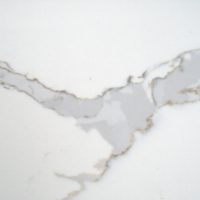
One of the most compelling reasons marble remains a staple in bathroom design is its unmatched visual appeal. Each slab of marble is unique, with distinctive veining patterns and color variations that create an opulent yet natural look.

Unique Patterns and Colors

  • No two marble slabs are alike, ensuring a one-of-a-kind bathroom design.
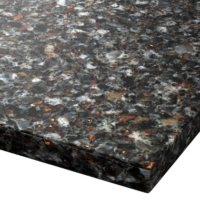
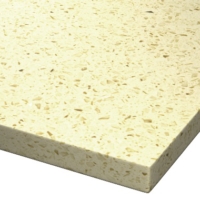
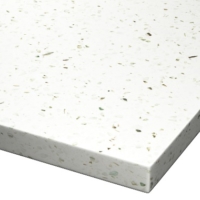
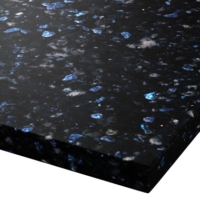
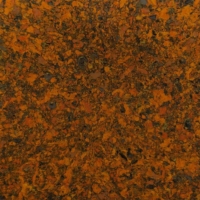
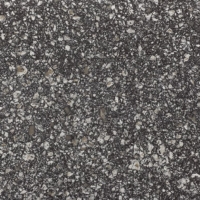
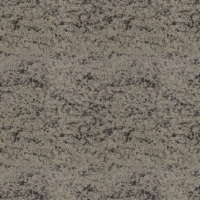
  • Available in a variety of shades, including classic white, deep black, elegant gray, and warm beige.
  • Veining adds depth and character, enhancing the aesthetic appeal of the space.

A Luxurious Touch

  • Marble instantly elevates the look of any bathroom, adding a sense of refinement and sophistication.
  • Polished marble creates a high-end, glossy finish, while honed marble offers a more subdued, matte appearance.
  • Complements various interior styles, from classic to contemporary.

2. Versatility in Design

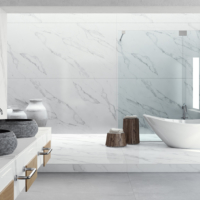
Marble is an incredibly versatile material that works well in a variety of bathroom applications. Whether used for floors, walls, countertops, or even bathtubs, marble can transform a simple bathroom into a spa-like retreat.

Common Applications of Marble in Bathrooms

  • Marble Flooring: Provides a seamless, elegant look and enhances the feeling of spaciousness.
  • Marble Walls: Creates a striking backdrop, especially when used in shower enclosures or feature walls.
  • Marble Countertops & Vanities: Adds a luxurious touch to the bathroom while maintaining durability.
  • Marble Bathtubs & Sinks: Carved marble fixtures make for breathtaking statement pieces.

3. Timeless Elegance: A Material That Never Goes Out of Style

Trends in interior design come and go, but marble has consistently remained a favorite for centuries. Unlike other materials that may look outdated after a few years, marble retains its classic charm and continues to be a symbol of luxury.

Why Marble Stands the Test of Time

  • Has been used for thousands of years in some of the world’s most iconic structures, from Roman baths to Renaissance palaces.
  • Its natural beauty and durability ensure it remains a desirable choice for generations.
  • Works well with both modern minimalism and traditional opulence, adapting effortlessly to evolving design trends.

4. Durability and Longevity

Despite its luxurious appearance, marble is an incredibly strong and durable material when properly maintained. It can withstand daily wear and tear, making it ideal for bathrooms, where moisture and frequent use are common.

Long-Lasting Investment

  • With proper care, marble can last a lifetime, making it a worthwhile investment.
  • Resistant to heat, making it ideal for bathroom vanities where hot hair tools may be used.
  • Unlike synthetic materials, it does not fade or lose its elegance over time.

Handling Moisture and Humidity

  • Sealing marble periodically helps protect it from water damage and staining.
  • Proper ventilation ensures that marble surfaces remain in pristine condition.
  • Regular cleaning with pH-neutral cleaners prevents etching and dullness.

5. Adds Value to Your Home

Investing in high-quality materials for your home not only enhances its beauty but also increases its market value. Marble is a premium material that appeals to potential homebuyers, making it a smart choice for those looking to boost their property’s resale value.

Why Homebuyers Love Marble Bathrooms

  • Seen as a luxurious feature that sets a home apart from others on the market.
  • Timeless appeal makes it an attractive option for buyers with various design preferences.
  • Durable and long-lasting, reducing the need for frequent renovations.

6. Easy Maintenance with Proper Care

While marble is often considered a high-maintenance material, proper care can keep it looking flawless for years to come. Understanding how to maintain marble ensures that it remains a stunning feature in your bathroom.

Maintenance Tips

  • Sealing: Apply a high-quality sealant every 6-12 months to prevent staining and water absorption.
  • Cleaning: Use a mild soap or pH-neutral cleaner to avoid damaging the surface.
  • Avoid Harsh Chemicals: Acidic substances like lemon juice, vinegar, and harsh cleaning agents can etch the marble surface.
  • Use Soft Cloths & Non-Abrasive Sponges: Prevent scratches and maintain the stone’s natural sheen.

7. Sustainable and Eco-Friendly Choice

As homeowners become more environmentally conscious, the demand for sustainable materials has grown. Marble is a natural and eco-friendly choice that aligns with sustainable design principles.

Why Marble is an Eco-Friendly Option

  • A natural material that does not require extensive processing.
  • Can be recycled and repurposed if replaced.
  • Long lifespan reduces waste compared to synthetic materials that need frequent replacement.

8. Enhancing Light and Space Perception

Marble’s reflective properties can make a bathroom feel brighter and more spacious, enhancing the overall ambiance of the space.

How Marble Improves Your Bathroom

  • Reflects Light: Helps distribute natural and artificial light, creating a well-lit environment.
  • Creates an Airy Feel: Light-colored marble, such as Carrara or Calacatta, makes small bathrooms appear more open.
  • Enhances Elegance: Adds a touch of grandeur, making even compact bathrooms feel luxurious.

9. Affordable Luxury in the Long Run

While marble is often associated with high costs, its long-term benefits outweigh the initial investment. Choosing marble for your bathroom ensures that you won’t have to replace it frequently, saving you money in the long run.

Long-Term Affordability

  • Requires fewer replacements compared to trendy materials that may go out of style.
  • With proper maintenance, marble remains pristine for decades.
  • Adds long-term value to your home, making it a cost-effective choice.

Conclusion: Is Bathroom Marble the Right Choice for You?

Marble is more than just a material—it is a statement of elegance, luxury, and timeless beauty. Its unique patterns, durability, and ability to enhance any bathroom space make it a top contender for homeowners and designers alike. While it does require some maintenance, the long-term benefits far outweigh the effort, ensuring that your bathroom remains stylish and sophisticated for years to come.

Whether you’re designing a new bathroom or renovating an existing one, choosing marble is a decision that promises timeless elegance and lasting value.

How to Maintain Marble in Your Bathroom: Expert Tips and Tricks Select

bathroom marble

Marble is one of the most luxurious and timeless materials used in bathroom design. With its unique veining, glossy surface, and sophisticated aesthetic, bathroom marble, giving it a spa-like, high-end feel. However, to keep your marble surfaces looking as pristine as the day they were installed, proper care and maintenance are essential. Whether you’re dealing with marble countertops, floors, or shower walls, marble can require a little extra attention to ensure it maintains its beauty and durability.

In this article, we’ll share expert tips and tricks on how to maintain marble in your bathroom, covering cleaning, sealing, preventing damage, and everyday upkeep.

1. Understanding Marble and Its Sensitivity

Before diving into maintenance tips, it’s important to understand why marble requires special care. Marble is a natural stone made primarily of calcium carbonate. This composition makes it more porous and susceptible to damage from acidic substances like lemon juice, vinegar, and even some cleaning products.

When acid comes into contact with marble, it can etch the surface, creating dull spots and damaging the finish. The material also tends to absorb moisture and oils, which can lead to staining if not properly sealed or maintained. With the right precautions, however, you can preserve the beauty of your marble surfaces for years.

2. Cleaning Marble the Right Way

Proper cleaning is one of the most crucial aspects of marble care. Regular cleaning will help maintain the marble’s polished surface and prevent the buildup of grime and bacteria. Here are some expert cleaning tips:

a. Use a Gentle, pH-Balanced Cleaner

Since marble is sensitive to acidic substances, avoid harsh chemical cleaners, bleach, or anything with vinegar or citrus in it. Instead, opt for a mild, pH-neutral cleaner. You can purchase specific marble cleaners from home improvement stores or online, or you can make your own with a gentle dish soap diluted in warm water.

b. Avoid Abrasive Scrubbers

While it may be tempting to scrub away stubborn stains with a scouring pad or abrasive sponge, doing so can scratch and dull the marble. Use a soft microfiber cloth or a sponge with a soft side to gently clean the surface. For bathroom floors, a soft-bristled broom or a vacuum cleaner (on a low setting) is best for sweeping away dirt and dust.

c. Wipe Up Spills Immediately

Water, soap, shampoo, and toothpaste can all leave stains or residue on marble. If these liquids are allowed to sit too long, they can seep into the stone or cause etching. Wipe up spills immediately with a clean, soft cloth. For liquid soap, oils, or hair products, be extra vigilant to avoid stains.

d. Daily Cleaning

For daily cleaning, use a damp cloth to wipe down counters, sinks, and floors. This will remove dust and watermarks before they build up. Dry the surface with a clean microfiber cloth to prevent water spots and to keep the surface gleaming.

3. Sealing Your Marble Surfaces

One of the most important aspects of maintaining marble in your bathroom is sealing it. While marble is beautiful, it’s naturally porous, which means it can absorb liquids, oils, and dirt over time. This can lead to discoloration or permanent stains if not properly sealed. Sealing your marble creates a protective barrier that helps prevent damage from spills and moisture.

a. When to Seal Marble

Newly installed marble should be sealed right after installation. For existing marble, it’s a good idea to reseal it once every 6 to 12 months, depending on how frequently the surface is used and how porous the marble is. For heavily used areas like marble floors or bathroom countertops, resealing may be required more frequently.

b. Choosing the Right Sealant

There are two types of sealers commonly used for marble: impregnating sealers and topical sealers. Impregnating sealers penetrate the stone and create a waterproof barrier, while topical sealers form a protective layer on the surface.

For bathrooms, impregnating sealers are the best choice as they are more durable, don’t alter the appearance of the marble, and allow it to “breathe.” Always choose a sealer specifically designed for marble or natural stone to ensure you’re providing the best protection.

c. How to Apply Sealer

To apply sealer, start by cleaning the marble surface thoroughly and allowing it to dry completely. Next, use a soft cloth or sponge to apply a thin, even layer of sealer across the surface, following the manufacturer’s instructions. Avoid applying too much sealer as it can leave streaks or residue. After the recommended drying time, buff the surface with a clean, dry microfiber cloth to ensure an even finish.

d. Test the Seal

Once sealed, test your marble by placing a few drops of water on the surface. If the water beads up, the sealer is working. If the water soaks into the stone, it’s time to reseal.

4. Preventing Damage from Water and Humidity

Bathrooms are high-moisture environments, which means there is a higher risk of damage from water and humidity. Over time, exposure to constant moisture can cause marble to dull or develop water stains.

a. Use a Bathroom Fan

To prevent excess moisture from building up on your marble surfaces, use a bathroom fan during and after showers or baths. This will help reduce humidity levels and protect your marble from the long-term effects of moisture.

b. Place Mats or Towels in High-Use Areas

In areas prone to frequent water exposure, such as near the sink or bathtub, place absorbent mats or towels to catch any drips. This will reduce the amount of water that comes in contact with the marble.

c. Avoid Standing Water

If water collects on your marble floor or countertop, wipe it up immediately. Prolonged exposure to standing water can lead to stains, discoloration, or even mold growth in the seams.

5. Avoiding Common Marble Problems

a. Preventing Etching

Etching is one of the most common forms of damage to marble, often caused by acidic substances like lemon juice, vinegar, and some cleaning products. Etching leaves dull spots or marks on the surface that can be hard to fix. To prevent etching:

  • Never use acidic cleaners on marble.
  • Use a cutting board or tray for acidic products like cosmetics or skincare items that might contain citric acid.
  • Always clean up spills as soon as possible, especially from beverages like coffee, wine, or juices.

b. Stain Prevention

Although sealing helps protect your marble, it’s still essential to avoid letting substances sit on the surface for too long. Oils from skincare products, makeup, and toothpaste can stain marble. Here’s what you can do to prevent staining:

  • Regularly clean the marble to remove residue.
  • Use coasters or trays for cosmetics, lotions, and oils.
  • For stubborn stains, use a poultice (a paste made from a cleaning agent and absorbent material) to lift the stain. Let it sit for a few hours before wiping away.

6. Polishing Marble for a Shine

Marble naturally develops a shine when properly cleaned and maintained. However, if your marble surfaces begin to lose their luster, you can polish them back to life.

  • How to polish: After cleaning the marble, apply a marble polishing powder or a stone polish recommended for use with marble. Follow the instructions on the product for best results. Usually, you’ll need to apply it to a dry surface and buff it with a soft cloth until you achieve a glossy finish.

  • Polishing frequency: Polishing can be done as needed, but don’t overdo it, as excessive polishing can lead to a build-up of product residue.

7. Final Thoughts: Long-Term Care and Maintenance

While marble requires some attention, it’s well worth the effort if you want to maintain its luxurious look in your bathroom. With a routine of regular cleaning, sealing, and careful attention to spills and stains, your marble surfaces can retain their beauty for years to come. Remember, the key is gentle care—avoid harsh chemicals, protect the surface from acidic substances, and seal it regularly to ensure it stays in top condition.

By following these expert tips and tricks, you can enjoy the elegance of marble in your bathroom for years, all while maintaining its pristine beauty with minimal effort.