














Why Quartz Kitchen Worktops Are the Ultimate Choice for Modern Homes Select

quartz kitchen worktops

When it comes to designing a modern kitchen, the worktop is one of the most essential components that can elevate both the aesthetic and functionality of the space. Among the variety of materials available, quartz kitchen worktops have become increasingly popular due to their durability, low maintenance, and sleek appearance. If you’re considering upgrading your kitchen, quartz should be at the top of your list. But what makes it such a favored choice? In this article, we’ll explore why quartz kitchen worktops are the ultimate choice for modern homes.

1. What is Quartz Kitchen Worktop?

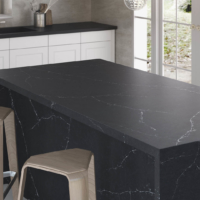
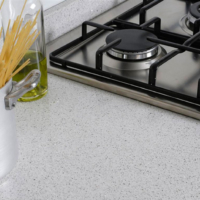
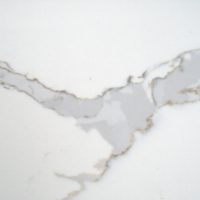
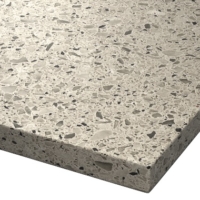
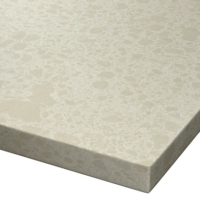
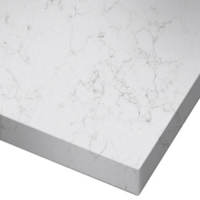
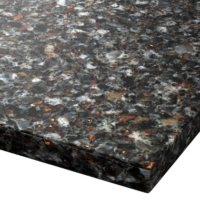
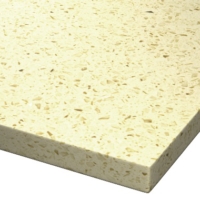
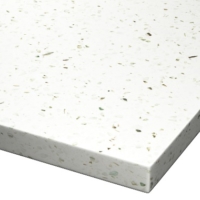
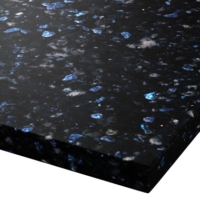
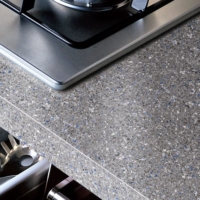
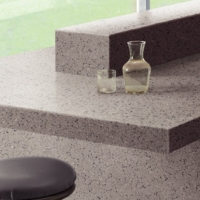
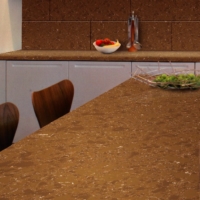
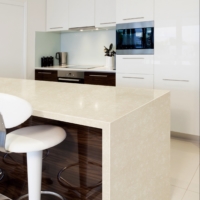
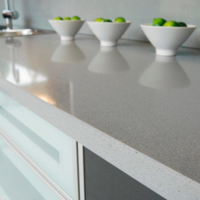
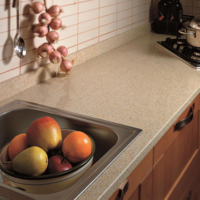
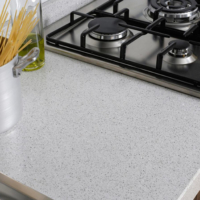
Quartz kitchen worktops are engineered stone surfaces made from natural quartz crystals mixed with resin and pigments. This combination creates a robust and versatile material, offering superior strength compared to traditional granite or marble. Unlike solid stone countertops, quartz is non-porous and doesn’t require sealing, which makes it easier to maintain.

The resin used in the composition binds the quartz particles together, forming a solid, durable surface that is resistant to scratches, stains, and moisture. Quartz countertops are available in a range of colors and patterns, making them a perfect fit for various kitchen designs.

2. Durability and Strength

One of the primary reasons homeowners opt for quartz kitchen worktops is their exceptional durability. Quartz is highly resistant to wear and tear, ensuring that your countertop will remain pristine for many years.

  • Scratch Resistance: The hardness of quartz makes it highly resistant to scratches. While it’s not indestructible, it’s much more durable than many other countertop materials, such as wood or marble.

  • Stain Resistance: Unlike granite or marble, quartz doesn’t need to be sealed. This non-porous feature means that liquids like wine, coffee, or oil won’t seep into the surface and cause permanent staining. Spills can be easily wiped off without leaving behind any residue.

  • Impact Resistance: Quartz is tougher and less likely to crack or chip than granite, making it ideal for busy kitchens where high-impact activities are common.

3. Low Maintenance and Easy to Clean

One of the standout features of quartz kitchen worktops is how low maintenance they are. Traditional stone countertops such as granite or marble require periodic sealing to prevent staining. Quartz, however, doesn’t need sealing, saving you both time and money in maintenance.

  • Simple Cleaning: A mild soap solution and a soft cloth are all that is needed to keep quartz surfaces clean. There’s no need for special cleaners or harsh chemicals, which makes cleaning quick and hassle-free.

  • No Need for Sealing: Since quartz is non-porous, there’s no need to worry about harmful bacteria or mold growing on your countertop, unlike porous materials that can trap moisture.

4. Aesthetically Versatile

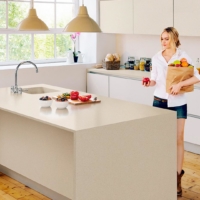
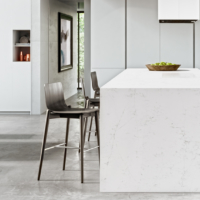
Quartz kitchen worktops come in a wide variety of styles, colors, and finishes, making them an excellent choice for modern kitchen designs. Whether you prefer a minimalist look, a rustic farmhouse feel, or a sleek contemporary vibe, there’s a quartz surface that will suit your taste.

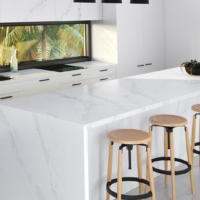
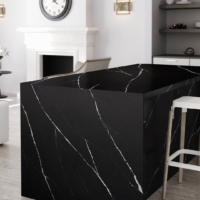
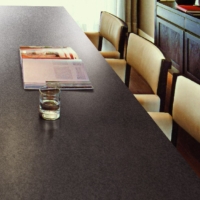
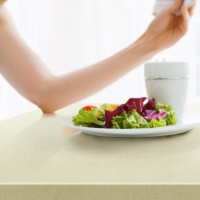
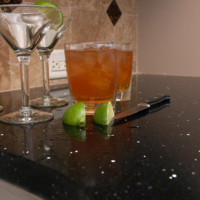
  • Wide Range of Colors and Patterns: From classic whites and creams to bold blacks and grays, quartz countertops are available in an endless range of colors. You can also find options that mimic the look of natural stone, including marble and granite.

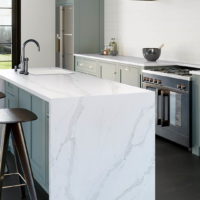
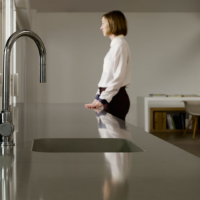
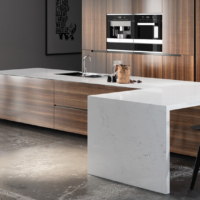
  • Custom Designs: For homeowners who want a unique and personalized look, quartz worktops can be customized to match specific design requirements, including integrated sinks or waterfall edges.

5. Hygiene and Safety

When it comes to the health and safety of your family, quartz kitchen worktops stand out due to their hygienic properties.

  • Non-Porous Surface: As mentioned earlier, quartz is non-porous, meaning it won’t absorb liquids or bacteria. This makes it an excellent option for kitchens where hygiene is a priority.

  • Resistant to Mold and Bacteria: Unlike natural stones, which can harbor bacteria in their pores, quartz surfaces resist mold and microbial growth, making it ideal for food preparation areas.

6. Cost-Effective and Long-Lasting

While quartz kitchen worktops may be slightly more expensive upfront compared to other materials like laminate, they are a long-term investment that offers great value. The durability, low maintenance, and timeless aesthetic of quartz make it a worthwhile investment.

  • Longevity: Quartz is an incredibly long-lasting material, often outlasting many other countertop materials. The investment in a quartz worktop is a smart choice that will add value to your home for years to come.

  • No Need for Replacement: With proper care, quartz worktops can last a lifetime without needing to be replaced, which makes them a more cost-effective option in the long run.

7. Sustainable Option

In today’s eco-conscious world, sustainability is a key factor for many homeowners when choosing materials for their home. Quartz is made from natural stone that’s abundant in nature, and the process of manufacturing quartz countertops is much more environmentally friendly compared to other materials, like marble or granite.

  • Eco-Friendly Manufacturing: Many quartz manufacturers use recycled materials to create the product, which helps reduce the environmental impact. Additionally, quartz countertops are free of harmful chemicals such as volatile organic compounds (VOCs), making them safer for indoor air quality.

8. Quartz Kitchen Worktops: A Trend for Modern Homes

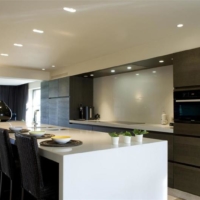
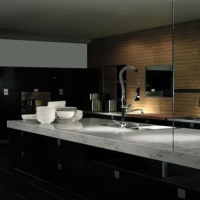
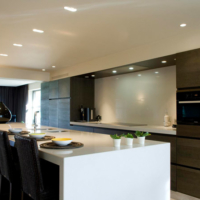
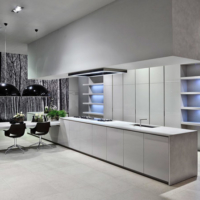
Quartz kitchen worktops have become synonymous with modern kitchens, and their popularity shows no sign of waning. In contemporary home design, homeowners are increasingly choosing quartz for its sophisticated look and functionality.

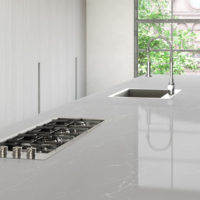
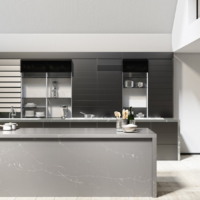
The clean, polished finish of quartz countertops complements sleek cabinetry, modern appliances, and open-plan kitchen designs. Quartz worktops provide a timeless look that can adapt to various kitchen trends, ensuring your kitchen remains stylish for years to come.

Frequently Asked Questions (FAQ)

Q1: Are quartz kitchen worktops scratch-resistant?
Yes, quartz kitchen worktops are highly scratch-resistant due to the hardness of the quartz crystals. However, while they are tough, it’s still recommended to use chopping boards to prevent damage from sharp knives.

Q2: Do quartz countertops stain easily?
No, quartz is a non-porous material, meaning it does not absorb liquids. This makes quartz kitchen worktops resistant to staining from substances like coffee, wine, or oil.

Q3: How do I clean quartz kitchen worktops?
Quartz countertops are very easy to clean. Simply use warm soapy water and a soft cloth to wipe down the surface. Avoid using harsh chemicals or abrasive scrubbers, as they may damage the finish.

Q4: Are quartz countertops more expensive than granite?
Quartz is generally more expensive than laminate, but it can be more affordable than premium natural stones like marble or granite. The cost depends on the brand, design, and customization options, but quartz is often seen as a valuable long-term investment due to its durability and low maintenance.

Q5: Can quartz worktops mimic the look of marble or granite?
Yes, quartz can be engineered to mimic the appearance of marble, granite, or other natural stones, offering you the aesthetic of high-end materials without the maintenance requirements.

Q6: How long do quartz kitchen worktops last?
With proper care and maintenance, quartz kitchen worktops can last a lifetime. Their durability and resistance to damage make them a long-lasting investment.

Q7: Are quartz worktops eco-friendly?
Yes, quartz countertops are generally considered eco-friendly. Many manufacturers use recycled materials in their production, and quartz surfaces do not contain harmful chemicals.

Conclusion

In conclusion, quartz kitchen worktops are the ultimate choice for modern homes due to their unbeatable combination of durability, aesthetic versatility, and low maintenance. Whether you’re remodeling your kitchen or building a new one, quartz provides a sophisticated, long-lasting, and sustainable solution that enhances both functionality and style. From busy family kitchens to sleek, contemporary spaces, quartz worktops offer a perfect blend of performance and beauty, making them a wise investment for any home.

How to Choose the Best Marble Kitchen Worktops for Your Budget Select

marble kitchen worktops

Marble kitchen worktops are a classic choice for homeowners seeking a luxurious, timeless look. However, with various types of marble, colors, and pricing options available, selecting the best one that suits your budget can be a challenging task. Whether you’re renovating your kitchen or building a new one, understanding the factors that influence marble prices and quality will help you make an informed decision.

This guide will walk you through the key considerations to help you choose the best marble kitchen worktop for your needs, and how you can do so without breaking the bank.

1. Understanding the Different Types of Marble

Before making a decision, it’s important to understand the different types of marble available in the market. These can vary significantly in both appearance and price. The two most common types of marble used in kitchen worktops are:

Carrara Marble

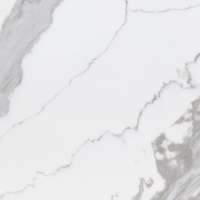
Carrara marble is one of the most well-known types of marble. It typically features a white or blue-grey background with soft, subtle veining. Carrara is often considered the most affordable type of marble because it’s mined in large quantities in Italy. However, it still provides the elegant, luxurious feel of marble without the high-end price tag.

Calacatta Marble

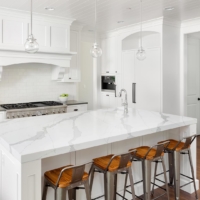
Calacatta marble is considered more luxurious and expensive compared to Carrara. This type features striking veining in bold, contrasting colors like gold or grey. Calacatta marble has a more dramatic look, making it a popular choice for those who want a sophisticated and upscale kitchen design.

Statuario Marble

Statuario marble is another high-end option, known for its crisp, white background and thicker, more defined veining. It’s highly prized for its beauty and rarity, often used in high-end kitchens. While stunning, Statuario can be one of the more expensive marble types.

Crema Marfil Marble

Crema Marfil is a lighter, cream-colored marble that can provide a warmer, more subtle tone to your kitchen. It’s often less expensive than the white varieties but still offers the distinctive marbling effect. Crema Marfil works well with a variety of design aesthetics and is often used in budget-conscious renovations.

2. Consider the Marble’s Durability

Marble, while undeniably beautiful, is a soft, porous stone. This means it requires more maintenance than other countertop materials like granite or quartz. However, there are ways to ensure your marble worktop lasts for years:

Polished vs. Honed Finish

When it comes to durability, the finish of your marble matters. A polished finish provides a shiny, reflective surface but can be more prone to scratching and staining. On the other hand, a honed finish is matte and offers a more subtle look. Although honed marble is less likely to show scratches, it can still absorb liquids if not sealed properly.

To balance cost with durability, many homeowners opt for a honed finish on their marble kitchen worktops. While slightly more affordable than a polished finish, it’s less demanding in terms of care.

3. Assessing the Color and Veining

The color and veining of your marble worktop can significantly affect both the look and cost of your kitchen. The more distinct and dramatic the veining, the higher the cost tends to be. Lighter-colored marbles, such as Carrara and Crema Marfil, are often less expensive than rich, white marbles with bold veining, such as Calacatta or Statuario.

To stay within your budget, consider the following:

  • Neutral shades like light grey or cream tend to be more affordable.

  • Bold, contrasting veining may increase the cost, but it can elevate the look of your kitchen.

  • If you’re working with a limited budget, opt for lighter-colored marbles, which will still provide a luxurious feel without the premium price tag.

4. Think About Maintenance Costs

Marble countertops require regular care to maintain their luster. Sealing is essential to prevent stains, especially from acidic substances like wine, vinegar, or citrus. The cost of sealing your marble will depend on the size of your worktops and the type of sealant used. While sealing may add to the overall cost, it will help extend the life of your marble worktop, saving you money on repairs in the long term.

Maintenance Tip:

Use a gentle, pH-balanced cleaner to prevent damaging your marble. Avoid harsh chemicals like bleach, which can erode the surface.

5. Marble Thickness and Slab Size

The thickness and size of the marble slabs you choose will impact both the price and look of your kitchen worktop. Thicker marble, particularly slabs that are 30mm or more, will cost more, but they create a more luxurious and dramatic look. Thinner slabs (around 20mm) are a more affordable option while still providing the elegance of marble.

Additionally, if you need larger slabs due to your kitchen’s size or shape, the cost will increase. Consider whether you can use smaller, more affordable slabs to meet your needs without compromising the overall aesthetic.

6. Consider Custom Fabrication Costs

While buying off-the-shelf marble countertops can help keep costs down, custom fabrication will often add to the final price. Custom cutting and edge treatments, such as ogee or bullnose edges, can increase the cost of your worktop. To save on fabrication, stick to simpler, standard edges and avoid custom designs.

7. Finding a Reliable Supplier

Choosing a reputable marble supplier is essential to ensure you receive high-quality material at a competitive price. Take the time to:

  • Compare prices from multiple suppliers.

  • Ask for samples to assess the quality of the marble.

  • Read reviews or ask for recommendations from friends or family who have worked with the supplier before.

Local suppliers may offer better prices compared to national chains, and some suppliers may offer discounts for larger orders.

8. Installation Costs

Lastly, don’t forget to factor in installation costs. Professional installation ensures your marble worktops are fitted correctly and safely, but it can add 10-20% to the overall cost. However, cutting corners here by opting for DIY installation can lead to costly mistakes and repairs in the future.

9. Budget Tips for Marble Kitchen Worktops

If you’re on a tight budget but still want to incorporate marble into your kitchen, consider these cost-saving strategies:

  • Opt for thinner slabs: They are more affordable and still give you the marble look.

  • Choose lighter-colored marbles: These are generally less expensive than darker, more dramatic stones.

  • Go for smaller sections: If you don’t need a full slab, buying smaller pieces can reduce costs.

  • Choose a honed finish: It’s more affordable and easier to maintain.

  • Check for discounts or sales: Suppliers may have seasonal sales or clearance items that offer significant savings.

FAQ – Frequently Asked Questions

1. How much do marble kitchen worktops cost?

The cost of marble kitchen worktops typically ranges between £250 to £500 per square meter, depending on the type, quality, and thickness of the marble. High-end types like Calacatta or Statuario marble can be much more expensive.

2. How do I maintain marble countertops?

To maintain marble countertops, you should seal the surface regularly to protect it from stains and etching. Clean spills immediately with a soft cloth and a mild cleaner. Avoid harsh chemicals, and use coasters and cutting boards to protect the surface.

3. Can I use marble in a busy kitchen?

Yes, you can use marble in a busy kitchen, but be aware that it’s a softer stone and more prone to scratching and staining. If you’re okay with the extra maintenance, marble can still work well in a high-traffic kitchen.

4. What is the best marble for a budget-friendly kitchen?

For a budget-friendly option, Carrara marble is an excellent choice. It offers a timeless, elegant look at a more affordable price compared to other high-end options like Calacatta or Statuario marble.

5. How long do marble kitchen worktops last?

With proper care, marble kitchen worktops can last a lifetime. Regular sealing and cleaning will prevent staining and wear over time.

Marble Flooring UK | Best Types, Styles & Finishes Explained Select

marble flooring uk

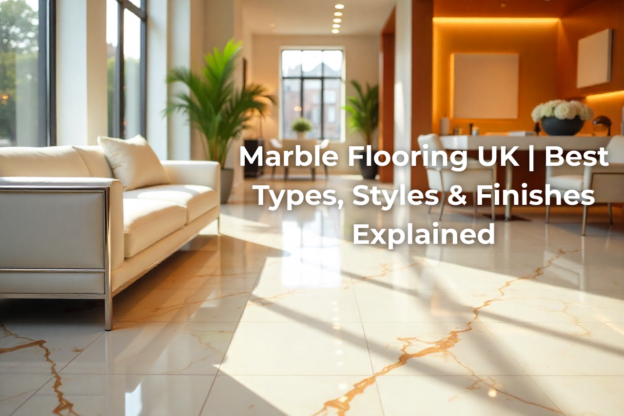
When it comes to timeless elegance and luxury in home design, marble flooring continues to be a top choice for UK homeowners. Known for its natural beauty, durability, and sophisticated appeal, marble has been used in palaces, cathedrals, and luxury homes for centuries. Today, thanks to improved availability and competitive pricing, marble flooring UK is more accessible than ever.

In this comprehensive guide, we’ll explore the best types, styles, and finishes of marble flooring available in the UK, along with their advantages, disadvantages, costs, and care tips. Whether you’re renovating a bathroom, upgrading your hallway, or designing a dream kitchen, this article will help you make the right choice.

Why Choose Marble Flooring in the UK?

Marble flooring is not just a practical investment but also a style statement. Here are some reasons why UK homeowners prefer marble:

  • Timeless Beauty – Each slab of marble is unique, with natural veins and patterns.

  • Durability – When properly sealed and maintained, marble can last for decades.

  • Increases Property Value – Homes with marble flooring are often perceived as more luxurious.

  • Versatile Styles – Available in a wide range of colours, finishes, and designs.

  • Cool Underfoot – Perfect for homes with underfloor heating, a growing trend in the UK.

Best Types of Marble Flooring UK

There are many varieties of marble used in flooring, each with its own character. Here are the most popular types in the UK market:

1. Carrara Marble

  • Origin: Italy

  • Colour: White with soft grey veining

  • Best for: Bathrooms, kitchens, and hallways

  • Popularity: One of the most affordable and widely used marbles in the UK

2. Calacatta Marble

  • Origin: Italy

  • Colour: White base with bold, dramatic veining

  • Best for: Luxury spaces, statement flooring, feature areas

  • Cost: More expensive than Carrara due to rarity

3. Emperador Marble

  • Origin: Spain

  • Colour: Rich brown with light veining

  • Best for: Living rooms, dining areas, and warm-toned interiors

  • Appeal: Adds a touch of cosiness and elegance

4. Nero Marquina Marble

  • Origin: Spain

  • Colour: Black marble with striking white veins

  • Best for: Modern interiors, luxury bathrooms, or accent flooring

  • Style: Bold, dramatic, and highly contemporary

5. Crema Marfil Marble

  • Origin: Spain

  • Colour: Beige to light cream tones

  • Best for: Large areas such as living rooms and open-plan kitchens

  • Popularity: Known for its neutral appeal, making it easy to match with furniture

6. Statuario Marble

  • Origin: Italy

  • Colour: Bright white with soft grey veining

  • Best for: Premium homes, luxury projects

  • Reputation: Considered one of the most elegant marble varieties available in the UK

Marble Flooring Styles Popular in the UK

When choosing marble flooring in the UK, the style is just as important as the type of stone. Here are some trending styles:

1. Classic Polished Marble Floors

Polished marble has a reflective finish that enhances natural light, perfect for smaller UK homes or flats that need brightening.

2. Honed Marble Flooring

This has a matte, satin-like finish with less shine, making it ideal for high-traffic areas as it is less slippery than polished marble.

3. Tumbled Marble Tiles

These offer a rustic, aged appearance, commonly used in traditional UK country homes and cottages.

4. Marble Mosaic Patterns

From herringbone to basket weave, marble mosaics are widely used in bathrooms and kitchens across the UK for a bespoke look.

5. Large Slab Marble Flooring

Luxury homeowners in the UK often opt for large marble slabs, reducing grout lines and creating a seamless, grand finish.

Popular Marble Flooring Finishes

The finish you choose for your marble flooring affects not only aesthetics but also functionality:

  1. Polished Finish – Glossy, reflective, elegant; best for formal living spaces.

  2. Honed Finish – Smooth, matte; slip-resistant, great for kitchens and bathrooms.

  3. Brushed Finish – Textured, natural look; works well in rustic interiors.

  4. Tumbled Finish – Antiqued, worn-in style; adds warmth to traditional UK homes.

  5. Leathered Finish – Soft sheen with subtle texture; modern and stylish.

Pros and Cons of Marble Flooring

✅ Advantages

  • Luxurious appearance

  • Unique natural patterns

  • Durable and long-lasting

  • Suitable for underfloor heating (common in UK homes)

  • Enhances property value

❌ Disadvantages

  • Requires sealing and maintenance

  • Can be slippery when wet (polished finishes)

  • Susceptible to scratches and stains if not cared for

  • Higher cost compared to ceramic or laminate flooring

Cost of Marble Flooring UK

The price of marble flooring in the UK varies depending on type, quality, and installation:

  • Standard Marble Tiles: £40 – £70 per m²

  • Premium Varieties (Calacatta, Statuario): £80 – £150+ per m²

  • Installation Costs: £30 – £60 per m² (depending on complexity)

👉 On average, expect to spend between £70 – £120 per m² (including installation) for high-quality marble flooring in the UK.

Marble Flooring Care & Maintenance Tips

To keep your marble floors looking pristine, follow these tips:

  1. Seal your marble regularly to prevent stains.

  2. Clean with pH-neutral cleaners (avoid acidic substances).

  3. Wipe spills immediately, especially wine, coffee, and lemon juice.

  4. Use rugs and mats in high-traffic areas.

  5. Polish occasionally to restore shine.

FAQs About Marble Flooring UK

1. Is marble flooring a good choice for UK homes?

Yes. Marble is durable, elegant, and works well with underfloor heating, making it perfect for UK homes.

2. Which marble type is most popular in the UK?

Carrara and Crema Marfil are the most widely used due to their affordability and neutral tones.

3. How long does marble flooring last?

With proper care, marble flooring can last 50 years or more.

4. Does marble flooring increase property value in the UK?

Absolutely. Homes with marble interiors often attract higher resale value.

5. Is marble flooring high-maintenance?

It requires sealing and careful cleaning, but with regular upkeep, it remains stunning for decades.

6. Can marble flooring be used in bathrooms?

Yes, honed or tumbled marble is recommended to reduce slipperiness.

7. How much does marble flooring cost in the UK?

On average, £70 – £120 per m² installed, depending on the variety.

Final Thoughts

If you’re searching for marble flooring in the UK, you have a wide variety of types, styles, and finishes to choose from. Whether you prefer the classic elegance of Carrara, the boldness of Nero Marquina, or the luxury of Calacatta, marble remains a timeless flooring option that can transform any space.

While marble requires some maintenance, its durability, beauty, and ability to enhance property value make it a smart investment for UK homeowners. By selecting the right type and finish for your lifestyle, you can enjoy a floor that blends functionality with unmatched luxury.