













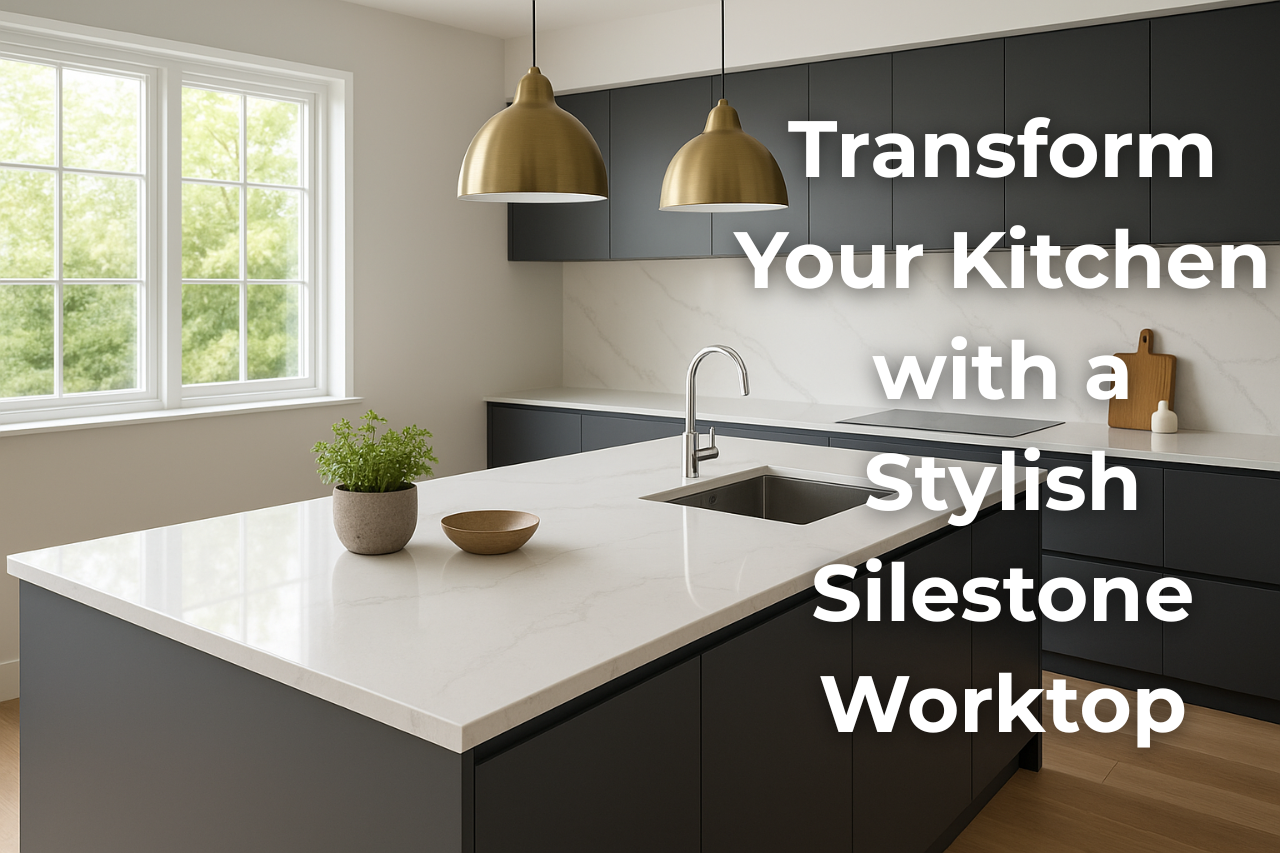
Transform Your Kitchen with a Stylish Silestone Worktop Select

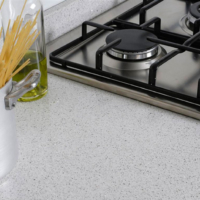
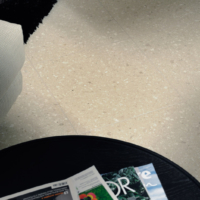
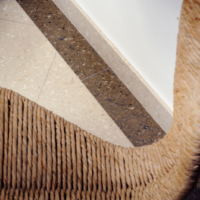
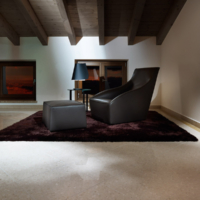
Silestone worktop

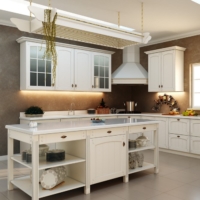
The kitchen is the heart of every home — a place where families gather, meals are prepared, and memories are created. One of the most effective ways to elevate the look and functionality of your kitchen is by investing in a Silestone worktop. Known for its durability, style, and versatility, Silestone has become a popular choice among homeowners, interior designers, and kitchen fitters alike.

What Is a Silestone Worktop?

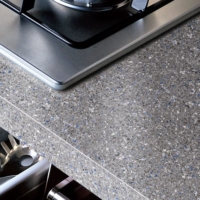
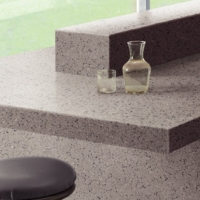
Silestone is a premium engineered stone surface made primarily from natural quartz crystals (about 90–94%), combined with resins and pigments. This unique composition gives Silestone the appearance of natural stone while providing superior durability, resistance, and colour variety.

Unlike natural stones such as granite or marble, a Silestone worktop requires very little maintenance and offers uniformity in design. It is widely used in kitchens, bathrooms, and commercial spaces due to its non-porous, hygienic, and stain-resistant properties.

Benefits of Choosing a Silestone Worktop

1. Exceptional Durability

Silestone is one of the toughest materials you can choose for a kitchen worktop. Its high quartz content makes it scratch-resistant, chip-resistant, and long-lasting. Perfect for busy households, it can withstand daily wear and tear with ease.

2. Stain and Spill Resistance

Unlike porous stones, Silestone does not absorb liquids. Coffee, wine, or oil spills won’t seep into the surface, making it incredibly easy to clean and maintain.

3. Wide Range of Colours and Finishes

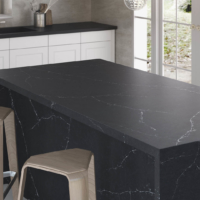
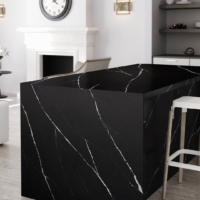
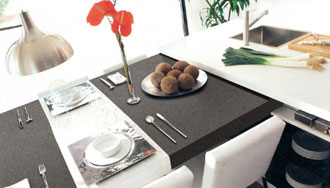
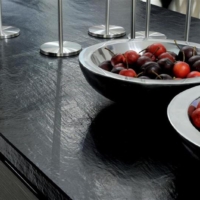
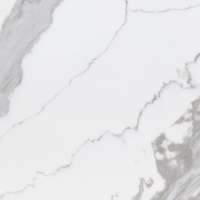
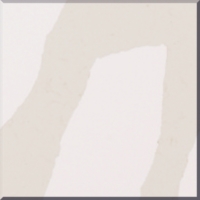
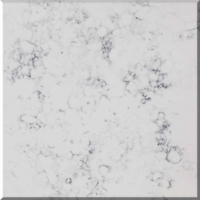
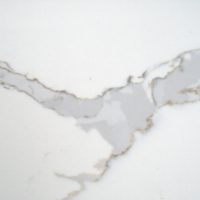
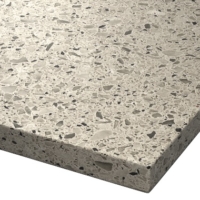
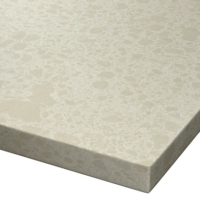
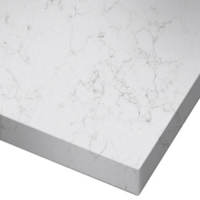
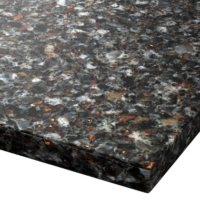
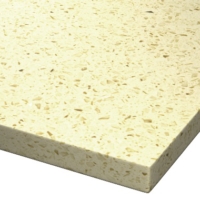
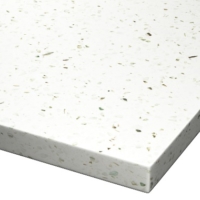
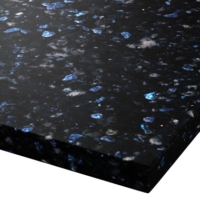
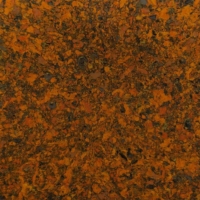
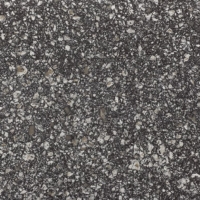
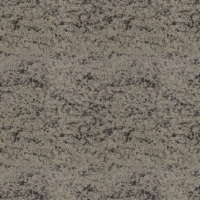
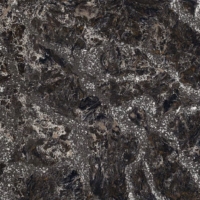
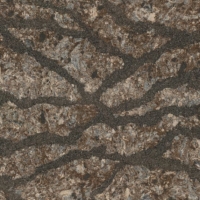
Whether you prefer a classic white worktop, a bold black, or something with marble veining, Silestone offers endless colour and pattern options to suit every kitchen style. Finishes include polished, suede (matte), and volcano (textured).

4. Hygienic and Safe for Food Preparation

Being non-porous, Silestone prevents bacteria and mould growth. This makes it one of the safest surfaces for food preparation in any kitchen.

5. Heat and Impact Resistance

Although trivets are recommended, Silestone can handle moderate heat and is less likely to crack or chip from accidental knocks compared to other surfaces.

6. Eco-Friendly Manufacturing

Silestone is part of Cosentino’s sustainable product range. Many collections are made using recycled materials, making them an environmentally responsible choice.

Silestone Worktop Design Ideas

If you’re planning a kitchen renovation, the design possibilities with Silestone are endless. Here are some inspiring ideas:

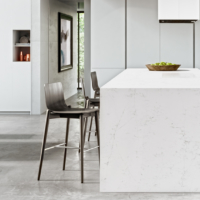
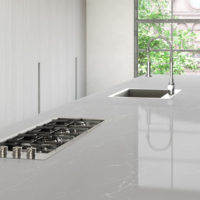
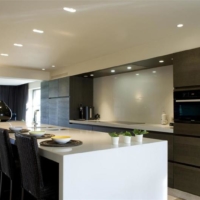
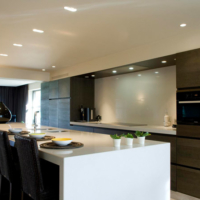
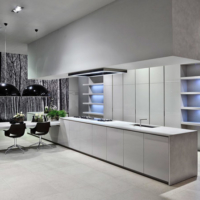
  • Modern Minimalist Kitchen – Pair a crisp white Silestone worktop with handleless cabinets for a sleek, contemporary look.

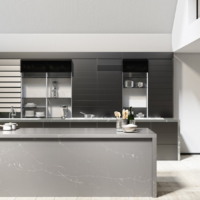
  • Industrial Chic – Go for a dark grey or black Silestone surface with a textured finish to complement exposed brick walls and metal fittings.

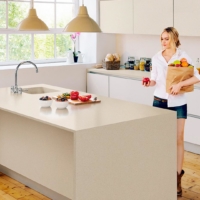
  • Classic Elegance – Choose a marble-effect Silestone in shades of white or cream to bring timeless sophistication to your kitchen.

  • Bold Statement Kitchen – Add personality with deep colours like emerald green, navy, or patterned Silestone to create a focal point.

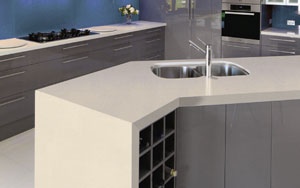
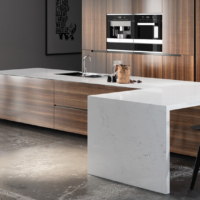
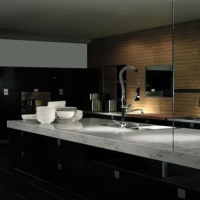
  • Open-Plan Homes – Use Silestone for both worktops and kitchen islands to create a seamless flow and maximise workspace.

How to Maintain Your Silestone Worktop

One of the reasons homeowners love Silestone is its low maintenance requirements. Here are some simple care tips:

  • Daily Cleaning: Use mild soap or a gentle cleaner with a soft cloth.

  • Avoid Harsh Chemicals: Stay away from strong acidic or alkaline cleaners, as they may damage the resin.

  • Protect from Direct Heat: Always use trivets for hot pans to prevent thermal shock.

  • Prevent Scratches: Although resistant, avoid cutting directly on the surface — use a chopping board instead.

  • Quick Spill Cleanup: Wipe spills immediately to prevent any potential surface dulling.

With these easy practices, your Silestone worktop can maintain its beauty for decades.

Silestone Worktop vs Other Materials

When choosing a worktop, it’s important to compare your options.

  • Silestone vs Granite: Granite is natural stone, while Silestone is engineered. Silestone offers more consistent patterns and colours, plus better stain resistance.

  • Silestone vs Marble: Marble is elegant but porous and high-maintenance. Silestone delivers the marble look without the drawbacks.

  • Silestone vs Laminate: Laminate is budget-friendly but lacks durability. Silestone is a premium investment with long-term benefits.

  • Silestone vs Quartz (Generic): Silestone is a branded quartz with advanced antibacterial protection and wider design choices compared to many generic quartz brands.

Cost of a Silestone Worktop

The price of a Silestone worktop depends on the colour, finish, and thickness you choose, as well as installation costs. On average, homeowners can expect to pay £300–£600 per square metre in the UK. While it may seem like a higher upfront investment compared to laminate or wood, its durability and low maintenance make it cost-effective in the long run.

FAQs About Silestone Worktops

1. Is a Silestone worktop worth the investment?

Yes, Silestone is worth the investment thanks to its durability, design flexibility, and low maintenance needs. It can last for decades, making it a smart long-term choice.

2. Can Silestone worktops scratch easily?

Silestone is highly scratch-resistant but not entirely scratch-proof. Always use chopping boards to protect the surface.

3. Does Silestone fade over time?

Silestone is UV-resistant, which means it won’t fade indoors. However, it’s not recommended for outdoor kitchens with direct sun exposure.

4. How thick are Silestone worktops?

Common thicknesses are 12mm, 20mm, and 30mm. Thicker slabs are usually chosen for kitchen islands or a more dramatic effect.

5. Can I install Silestone myself?

Due to the precision cutting and heavy weight, professional installation is highly recommended.

6. What is the warranty on Silestone worktops?

Silestone usually comes with a 25-year manufacturer warranty, depending on the supplier and installation.

Final Thoughts

A Silestone worktop is more than just a functional kitchen surface — it’s a design statement that elevates the entire space. Combining style, durability, hygiene, and low maintenance, it’s the ideal choice for homeowners who want a modern, long-lasting, and beautiful kitchen.

Top 7 Benefits of Installing Quartz Kitchen Worktops Select

quartz kitchen worktops

The kitchen is the heart of every home, and when it comes to designing or renovating it, choosing the right worktop material makes a huge difference. Among the many options available, quartz kitchen worktops have become a leading choice for homeowners, interior designers, and architects alike. Known for their strength, beauty, and low maintenance, quartz surfaces are redefining modern kitchens.

1. Exceptional Durability

One of the biggest reasons homeowners opt for quartz kitchen worktops is their outstanding durability. Quartz is an engineered stone, made by combining natural quartz crystals with resins and pigments. This process results in a non-porous, hard, and long-lasting surface that can withstand daily wear and tear.

Unlike natural stones such as marble, quartz does not scratch easily, making it perfect for busy kitchens where cooking, chopping, and entertaining are part of everyday life. With proper care, quartz worktops can last for decades without losing their shine or structure.

2. Low Maintenance

A huge advantage of quartz kitchen worktops is that they are virtually maintenance-free compared to other materials. Granite and marble require periodic sealing to prevent staining, but quartz is non-porous, which means it naturally resists moisture, bacteria, and stains.

All it takes is a simple wipe with warm water and mild soap to keep your quartz surfaces spotless. This easy maintenance makes quartz an excellent choice for families, busy professionals, and anyone who wants a kitchen that looks beautiful without requiring high upkeep.

3. Wide Range of Colours and Designs

Quartz worktops are engineered, which means they can be produced in a variety of colours, styles, and patterns. Whether you prefer the classic white marble look, a sleek modern grey, or bold tones to match your kitchen theme, there’s a quartz design to suit every taste.

Quartz can also mimic the appearance of natural stone like marble or granite without the maintenance issues. The availability of different textures—such as polished, matte, or even textured finishes—gives homeowners complete freedom to customize their kitchen aesthetics.

4. Hygienic and Safe for Food Preparation

When it comes to food preparation, hygiene is non-negotiable. Quartz kitchen worktops are non-porous, which means they don’t allow bacteria, mold, or mildew to seep in. Unlike porous materials like marble or wood, quartz provides a safe and hygienic surface for cutting, chopping, and preparing meals.

Many quartz surfaces are even certified for food safety, ensuring you can cook confidently without worrying about germs lingering on your worktop. This is especially important for households with children or anyone who values a clean and safe cooking space.

5. Long-Term Value and Investment

While quartz kitchen worktops may require a higher initial investment compared to laminate or tile, they deliver excellent long-term value. Because they are durable, low-maintenance, and resistant to damage, quartz surfaces save you money on repairs, replacements, and professional cleaning services in the long run.

Additionally, installing quartz worktops can increase the value of your home. Homebuyers are often willing to pay more for a property with a modern, stylish, and practical kitchen, making quartz a smart investment for resale value.

6. Resistant to Stains, Heat, and Spills

One of the most frustrating problems with some kitchen worktops is staining and heat damage. With quartz, you don’t have to worry about coffee, wine, or juice spills seeping into the surface. Its non-porous structure naturally resists stains from common kitchen liquids.

Quartz is also heat resistant, although it’s always recommended to use trivets or heat pads under very hot pans. This resilience ensures your kitchen stays elegant and functional, even with everyday cooking activities.

7. Consistency in Appearance

Unlike natural stone worktops, which may have irregular veining, colour variations, or imperfections, quartz offers consistent and uniform patterns. This makes it easier to match different slabs and maintain a cohesive look throughout your kitchen.

Whether you’re aiming for a seamless modern design or a timeless traditional kitchen, quartz allows you to achieve the exact style you envision without worrying about mismatched slabs.

Additional Benefits of Quartz Kitchen Worktops

  • Eco-Friendly Options: Many quartz worktops are made using recycled materials, making them a sustainable choice.

  • Versatility: Suitable for not just kitchens but also bathrooms, utility rooms, and even office spaces.

  • Customizable Edges: Quartz can be fabricated with different edge profiles like beveled, rounded, or waterfall edges to enhance the design.

Quartz Kitchen Worktops vs Other Materials

When comparing quartz with alternatives like granite, marble, or laminate, quartz often stands out for its balance of beauty, strength, and practicality.

  • Quartz vs Granite: Quartz is non-porous and requires no sealing, whereas granite needs regular sealing.

  • Quartz vs Marble: Quartz offers the marble-like look without the high maintenance and vulnerability to etching.

  • Quartz vs Laminate: Laminate is cheaper but far less durable and does not provide the same luxury appeal.

FAQs About Quartz Kitchen Worktops

1. How much do quartz kitchen worktops cost?

The price of quartz worktops varies depending on the brand, colour, and thickness. On average, quartz worktops can range from £250 to £450 per square metre in the UK, including installation.

2. Are quartz kitchen worktops better than granite?

Yes, in many ways. Quartz is more stain-resistant, hygienic, and low-maintenance than granite. Granite has natural beauty, but it requires sealing and more upkeep.

3. Do quartz worktops scratch easily?

Quartz is highly scratch-resistant thanks to its hardness. However, it’s still recommended to use cutting boards to protect both your knives and the worktop.

4. Can quartz withstand heat from hot pans?

Quartz is heat resistant, but it’s not indestructible. Placing extremely hot pans directly on the surface can cause thermal shock, so using trivets or heat pads is advised.

5. How do you clean quartz kitchen worktops?

Cleaning quartz is simple—just use a soft cloth with mild soap and warm water. Avoid harsh chemicals or abrasive pads to maintain its shine.

6. Can quartz worktops be repaired if damaged?

Minor chips or cracks can sometimes be repaired by professionals, but quartz is generally so durable that major damage is rare.

7. Are quartz kitchen worktops worth the investment?

Absolutely. Their combination of beauty, strength, and practicality makes quartz worktops a long-term investment that adds value to your home.

Final Thoughts

If you’re looking for a kitchen surface that combines style, strength, and convenience, quartz kitchen worktops are hard to beat. From their durability and hygiene to the endless design choices, quartz offers everything modern homeowners need in a kitchen.

Marble Kitchen Worktops: Design Tips for a Timeless Look Select

marble kitchen worktops

Marble has long been synonymous with luxury, elegance, and timeless beauty. When it comes to kitchen design, marble kitchen worktops can elevate any space with their stunning appearance and durability. Whether you’re renovating an old kitchen or designing a brand-new one, marble worktops offer a chic and sophisticated look that never goes out of style.

Why Choose Marble Kitchen Worktops?

Before diving into the design tips, it’s important to understand why marble is a popular choice for kitchen worktops. Here are a few reasons why marble should be on your radar:

  1. Natural Beauty: Marble features unique veins and patterns, making each slab one-of-a-kind. Whether you prefer a soft, white Carrara marble or a bold, rich Calacatta, marble brings unmatched aesthetic appeal to your kitchen.

  2. Durability: Despite being a softer stone than granite, marble is still a highly durable material. It’s heat resistant, making it ideal for kitchens where you frequently cook and bake. However, it’s essential to take precautions to avoid damage from acidic substances like lemon juice or vinegar.

  3. Timeless Appeal: Marble has been used in architecture and design for centuries, and its timeless elegance never fades. A marble kitchen worktop will enhance your home’s value and aesthetic appeal.

  4. Versatility: Marble complements a variety of design styles, from classic and traditional to modern and minimalist. It’s versatile enough to blend seamlessly with different cabinet materials and finishes.

1. Choose the Right Type of Marble

The first step in creating a timeless look with marble kitchen worktops is choosing the right type of marble for your space. Marble comes in a variety of colors and patterns, so it’s important to select one that complements your overall kitchen design.

  • Carrara Marble: Carrara marble is the most well-known and widely used type of marble. It features a soft, white background with gray veining, creating a timeless, clean look. It’s perfect for kitchens with a bright and airy design.

  • Calacatta Marble: Calacatta marble is known for its luxurious, bold veining. Its white background is interrupted by dramatic, thick veins of gold or gray. This type of marble works well in kitchens that need a touch of opulence.

  • Statuario Marble: This is another high-end variety of marble that features bold veining on a bright white background. It’s an excellent choice for a modern, sleek design.

  • Marquina Marble: For a more dramatic, contemporary look, black Marquina marble with its white veins can add a striking contrast to lighter kitchen elements.

Design Tip: When choosing marble, consider the overall color palette of your kitchen. Light-colored marbles work well in bright, airy kitchens, while dark marble can create a sophisticated, modern look.

2. Contrast with Complementary Materials

To prevent your kitchen from looking too cold or monochromatic, combine your marble kitchen worktop with complementary materials. The right pairing can create a harmonious balance between luxury and practicality.

  • Wood: Wood is a natural complement to marble. The warmth of wooden cabinets or flooring contrasts beautifully with the cool, polished finish of marble worktops. For a more traditional look, choose wood in rich tones like walnut or oak. For a more modern kitchen, go for lighter woods like ash or maple.

  • Brass or Gold Accents: If you’re looking to add an extra touch of luxury, consider pairing your marble worktop with brass or gold hardware. The warm tones of gold or brass can highlight the elegance of marble, creating a refined and timeless kitchen design.

  • Stainless Steel: For a more modern or industrial aesthetic, stainless steel appliances or shelves work well with marble worktops. The combination of sleek, shiny stainless steel with the natural veining of marble adds a stylish contrast to your kitchen design.

Design Tip: Ensure that the materials you choose complement one another without overwhelming the marble. Keep the focus on your marble worktop by choosing other materials that highlight its beauty without taking attention away from it.

3. Play with Patterns and Layout

One of the advantages of marble is its variety of natural patterns and colors. You can use these to your advantage by experimenting with different layout patterns.

  • Full-Slab Countertop: A full slab of marble creates a clean, continuous surface that allows the natural veining and pattern to shine through. This is perfect for a minimalist or modern kitchen design.

  • Checkerboard Design: For a more traditional kitchen, consider using a checkerboard layout with contrasting colors, like white marble and black granite. This can add a sense of structure and sophistication to your kitchen.

  • Bookmatching: Bookmatching involves placing two marble slabs next to each other with their patterns mirroring each other. This technique can create a visually striking effect and make your marble worktop stand out as the focal point of your kitchen.

Design Tip: Keep in mind that large patterns or veins in the marble may dominate the space, so if your kitchen is small, opt for a marble with subtle veining to avoid overwhelming the room.

4. Invest in Proper Sealing

Marble is a porous stone, which means it can absorb liquids, potentially staining your worktop. This is especially important in the kitchen, where spills are common. To maintain the beauty of your marble kitchen worktop, it’s crucial to seal the surface.

Sealing prevents stains and makes it easier to clean spills before they have a chance to seep into the stone. Regularly reapplying a sealant will help protect your marble from long-term damage and maintain its pristine appearance.

Design Tip: Opt for a high-quality, food-safe sealant that won’t alter the appearance of the marble. This will ensure that your kitchen worktop remains as beautiful as the day it was installed.

5. Care and Maintenance Tips

Marble requires some upkeep to retain its stunning appearance. Here are a few essential maintenance tips for keeping your marble kitchen worktop looking brand new:

  • Wipe Up Spills Immediately: Marble is sensitive to acidic substances like lemon juice, vinegar, and wine. Clean spills as soon as they occur to prevent staining.

  • Use Coasters and Cutting Boards: To protect the surface from scratches and acidic damage, always use coasters for drinks and cutting boards for food prep.

  • Avoid Abrasive Cleaners: Use a soft cloth and a gentle stone cleaner to wipe down your marble worktop. Harsh chemicals can damage the surface.

  • Polish Regularly: To maintain the marble’s shine, use a marble polishing product regularly. This will help prevent dullness and maintain its glossy finish.

Design Tip: If you’re concerned about maintenance, consider opting for a honed or matte finish. These finishes are less likely to show fingerprints and scratches than polished marble.

6. Combine Marble with Statement Lighting

Lighting plays a crucial role in enhancing the natural beauty of marble kitchen worktops. The right lighting can highlight the intricate veining and patterns, making your marble worktop the star of your kitchen.

  • Pendant Lights: Hanging pendant lights above your kitchen island or countertop can create an elegant ambiance and showcase the marble’s veins.

  • Under-Cabinet Lighting: Installing under-cabinet lighting can illuminate your marble worktops, especially in the evening. This subtle lighting can create a cozy and inviting atmosphere in your kitchen.

Design Tip: When choosing lighting, make sure it complements the overall aesthetic of your kitchen. Warm light can enhance the golden veins in your marble, while cool light can make the stone look crisp and fresh.

FAQs About Marble Kitchen Worktops

1. How durable are marble kitchen worktops?

Marble is a durable material, but it’s softer than granite, which means it can scratch and stain more easily. Sealing the surface and taking precautions against spills can help extend its lifespan.

2. How do I maintain my marble kitchen worktop?

Regular cleaning with a gentle stone cleaner and the use of cutting boards and coasters will help protect your marble. Seal the surface to prevent staining and polish it occasionally to maintain its shine.

3. Can I use marble in a busy kitchen?

Yes, but you should be aware that marble is more prone to scratching and staining than other materials like granite. With proper care, however, it can still perform well in a busy kitchen.

4. Is marble a good choice for modern kitchen designs?

Absolutely! Marble complements both traditional and modern kitchen styles. Its luxurious appearance and variety of patterns make it a versatile option for any kitchen.

5. Can I mix marble with other materials?

Yes! Marble pairs beautifully with wood, brass, stainless steel, and other materials. Mixing materials adds texture and dimension to your kitchen, making it more visually appealing.

Conclusion

Marble kitchen worktops are a classic choice for any home, offering unmatched beauty, durability, and timeless elegance. By following these design tips, you can create a stunning kitchen that highlights the natural beauty of marble while ensuring functionality and ease of maintenance. Whether you’re opting for a traditional or modern look, marble worktops will continue to impress for years to come.