

















5 Reasons to Choose Marble Kitchen Worktops for Your Home Select

marble kitchen worktops

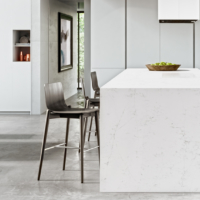
When it comes to kitchen renovations, selecting the right material for your worktops can make a huge difference in both style and functionality. Marble kitchen worktops are a popular choice for homeowners looking for a luxurious, elegant, and timeless finish for their kitchens. While granite and quartz may have gained popularity in recent years, marble has been a symbol of sophistication and quality for centuries.

1. Timeless Elegance and Aesthetic Appeal

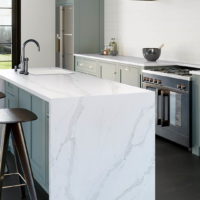
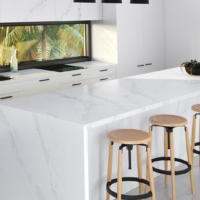
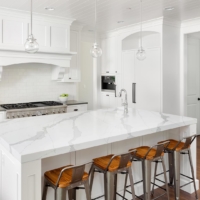
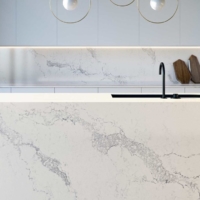
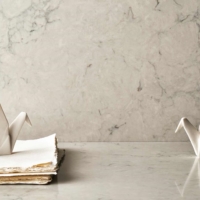
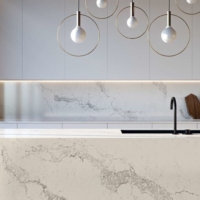
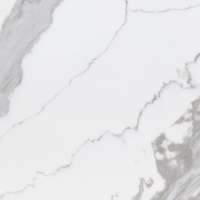
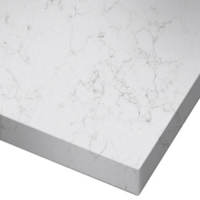
Marble is often associated with classical beauty. Its natural veining and rich color patterns give it a distinctive appearance that no other material can replicate. Each marble slab is unique, with swirling veins and varied colors, making every worktop one of a kind.

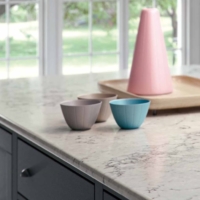
The soft, muted tones of marble – from creamy whites to deep grays and even shades of green – add a refined touch to your kitchen. Whether you’re designing a traditional or contemporary kitchen, marble worktops can effortlessly blend with your existing decor. The light-reflecting properties of marble make it ideal for brightening up a kitchen, even in spaces with limited natural light.

Why does marble have such a distinctive appearance?

Marble is a metamorphic rock that forms when limestone undergoes high pressure and heat. The unique veining comes from mineral impurities like clay, silt, and iron oxides, which are trapped during the transformation process. These veins are what make each marble slab a piece of art in itself.

2. Durability and Strength

Marble is a highly durable material, capable of withstanding years of wear and tear in the kitchen. The stone is solid and tough, making it resistant to cracking, chipping, and scratching. However, like all natural stones, it is not impervious to damage. With proper care, marble can last a lifetime, making it a worthwhile investment for your home.

Marble kitchen worktops are also heat-resistant. This is particularly beneficial in the kitchen, where hot pots, pans, and dishes are frequently placed on the surface. Marble can handle high temperatures without warping or melting, which is why many professional chefs prefer it for their kitchens.

Is marble easy to maintain?

While marble is durable, it does require some maintenance to preserve its beauty. Regular sealing is essential to prevent stains, particularly from acidic substances like lemon juice or wine. With proper care, your marble kitchen worktop can remain in top condition for decades.

3. Adds Value to Your Home

Installing marble kitchen worktops can significantly increase the value of your home. Potential buyers often see marble as a high-end material that adds luxury and sophistication to any space. If you’re planning to sell your home in the future, a kitchen with beautiful marble worktops can help set your property apart from others on the market.

Additionally, marble is timeless, which means it won’t go out of style. While trends in kitchen design come and go, marble has a classic appeal that will always be in demand. This makes it an excellent choice for homeowners who want to invest in a feature that will stand the test of time.

How does marble increase the value of a home?

High-quality materials like marble are associated with premium craftsmanship and design. They convey a sense of luxury and durability that homebuyers appreciate. In many cases, buyers are willing to pay more for homes with marble kitchens because they view it as a long-lasting and elegant feature.

4. Versatility in Design

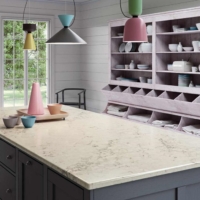
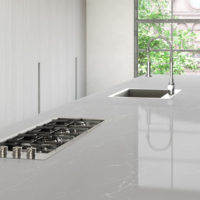
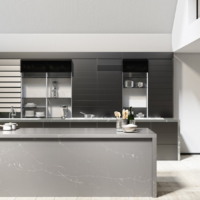
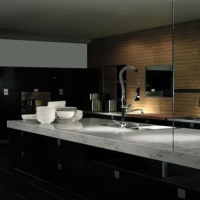
One of the best things about marble kitchen worktops is their versatility. Marble complements a wide variety of kitchen styles, from classic and traditional to sleek and modern. You can opt for a light-colored marble to brighten up a darker kitchen or choose darker veins for a more dramatic effect.

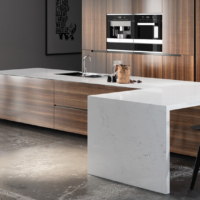
Furthermore, marble can be easily combined with other materials, such as wood, stainless steel, or even concrete, to create a truly custom look. Whether you’re incorporating a marble backsplash, marble island, or simply using it for the countertops, it pairs well with virtually every design element.

What color and patterns are available in marble?

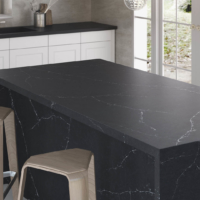
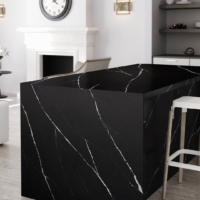
Marble comes in a range of colors, from pure whites and soft pastels to deep blues, greens, and even blacks. The veining can also vary from light and delicate to bold and prominent, giving you many options to choose from to match your kitchen’s theme.

5. Eco-Friendly and Sustainable Choice

In today’s world, sustainability is more important than ever, and marble is a natural, eco-friendly choice. It is abundant in nature and, unlike synthetic materials, doesn’t require chemical processing that harms the environment. Marble is a renewable resource, and when sourced responsibly, it is a green building material that can be used in any eco-conscious home.

Additionally, marble worktops are long-lasting, meaning you won’t need to replace them as often as other materials. This reduces the need for replacements and minimizes the environmental impact over time.

How sustainable is marble as a material?

Marble is a natural stone that requires minimal processing and lasts for generations. As a result, its carbon footprint is relatively low compared to synthetic alternatives. Furthermore, many manufacturers today source marble from quarries that prioritize responsible mining practices, ensuring minimal harm to the environment.

Frequently Asked Questions (FAQ)

1. Is marble easy to maintain in the kitchen?
Marble does require regular maintenance, including sealing to protect it from stains. It’s important to clean up spills promptly and avoid harsh chemicals that could damage the surface. With proper care, marble worktops can last for many years.

2. Can marble be used around hot pans or pots?
Yes, marble is heat-resistant and can withstand high temperatures. However, it’s still a good idea to use trivets or hot pads to protect the surface from potential heat damage.

3. How do I clean marble kitchen worktops?
To clean marble, use a soft cloth and a mild dish soap solution. Avoid abrasive cleaners that could scratch the surface. Wipe up spills quickly, especially acidic substances like lemon juice or vinegar, as they can cause stains or etching on the surface.

4. Will marble stain easily?
While marble is a relatively porous material, regular sealing helps prevent stains. However, marble can still stain from acidic substances like citrus juice, wine, and coffee, so it’s important to clean spills quickly.

5. Is marble worth the investment?
Yes, marble is a high-end material that adds value and luxury to your home. Its timeless beauty, durability, and ability to blend with any kitchen style make it a worthwhile investment, especially if you plan to stay in your home for many years.

Conclusion

Marble kitchen worktops offer a combination of beauty, durability, and luxury that other materials simply cannot match. Whether you’re renovating your kitchen or building a new one, marble worktops are an investment that can significantly enhance the appeal of your home. From their timeless elegance to their ability to withstand high heat and wear, marble worktops are a top choice for homeowners looking to create a sophisticated kitchen space.

How to Maintain Marble Flooring UK | Essential Tips for Longevity Select

marble flooring uk

Marble flooring UK is a luxurious and timeless choice for homeowners across the UK. Known for its elegance, durability, and unique veining, marble can elevate the aesthetic of any space. However, to ensure its longevity and keep it looking pristine for years, proper care and maintenance are essential. 

1. Understanding Marble Flooring: Why It Needs Special Care

Marble is a natural stone made from crystallized limestone, often found in a range of shades, including white, cream, beige, grey, and even vibrant colours like green and red. While it’s renowned for its beauty and resilience, marble is more porous than other flooring materials, meaning it can absorb liquids and stains more easily. Additionally, its surface can become scratched, discoloured, or dull without proper maintenance.

The British climate, particularly its humidity levels and occasional damp conditions, can also affect the performance of marble flooring, especially in kitchens, bathrooms, or hallways where moisture levels fluctuate.

2. Essential Marble Flooring Maintenance Tips

To maintain marble flooring UK, a few key steps are necessary to preserve its beauty and functionality. Below are some expert tips for keeping your marble floors in pristine condition.

2.1 Regular Cleaning and Sweeping

The first step in maintaining marble floors is to keep them free from dust, dirt, and debris. Over time, small particles can scratch the surface of the stone, leading to wear and tear. Sweeping your marble flooring regularly using a soft-bristle broom or a microfiber dust mop can remove dirt and prevent abrasion.

2.2 Use a pH-Balanced Cleaner

Avoid harsh chemical cleaners that can damage the surface of the marble. Instead, use a pH-balanced cleaner specifically designed for marble or stone floors. A gentle solution of mild dish soap mixed with warm water can also suffice for routine cleaning.

When mopping, always use a damp mop, not a soaking wet one, as excessive moisture can seep into the stone and cause long-term damage. Ensure that your mop is well-wrung to avoid water pooling on the floor.

2.3 Deal with Spills Immediately

One of the main threats to marble flooring is spills, especially acidic substances like wine, vinegar, or citrus juice. These liquids can cause staining or even etching, where the surface becomes dull and damaged.

If a spill occurs, blot it immediately with a clean, dry cloth. Do not rub the spill, as this can spread it and cause further damage. Once the liquid is blotted up, clean the area with a damp mop and mild detergent.

2.4 Polishing and Buffing

Over time, marble flooring can lose its shine and lustre. To restore its glossy finish, use a marble-specific polish or a polishing powder. When buffing, use a soft cloth or a high-speed floor buffer designed for stone floors. Polishing should be done sparingly—only a few times a year—so as not to build up an excess of product.

Remember that marble floors can develop a patina (a soft sheen created from natural wear). For a more rustic look, some homeowners may prefer to let the floor develop this patina over time rather than polishing it back to its original shine.

3. Preventing Damage to Marble Flooring

Preventing damage is just as important as cleaning. Here are some tips to protect your marble flooring from common risks:

3.1 Use Mats and Rugs

Placing mats or rugs in high-traffic areas, such as entryways, kitchen entrances, and hallways, can help protect your marble floors from dirt, grit, and moisture. Choose mats with a non-slip backing to avoid any potential accidents.

3.2 Protect Against Scratches

Marble is a delicate surface that can scratch easily. To prevent scratches, ensure that heavy furniture, such as tables and chairs, has felt pads attached to the bottom. Additionally, avoid dragging furniture or sharp objects across the floor. When moving furniture, always lift it rather than sliding it.

3.3 Avoid Acidic Products

As mentioned earlier, acidic substances can damage marble flooring, so avoid products like vinegar, lemon juice, or bleach. If you need to clean stains, opt for a gentle solution that’s safe for marble surfaces.

3.4 Humidity Control

In the UK, the climate can often lead to high humidity levels, which can negatively affect marble flooring. Excess moisture can lead to discoloration or mildew, especially in bathrooms or kitchens.

Using a dehumidifier can help control moisture in the air. In areas with high humidity, consider installing a vent fan to reduce moisture levels and keep your marble floor dry.

4. Dealing with Stains and Discolouration

Despite your best efforts, stains and discolouration can still occur over time. Here’s how to address some of the most common issues:

4.1 Oil and Grease Stains

Oil and grease stains are particularly common in kitchens. To remove them, apply a paste made of baking soda and water to the stain and let it sit for a few hours. Once the paste has dried, gently scrub with a soft brush or cloth before wiping away the residue.

4.2 Etching and Scratches

Etching occurs when an acidic substance reacts with the marble surface, leaving behind dull spots. If you notice etched areas, they may need to be professionally restored. Professional marble restoration services use special compounds and techniques to remove etching and scratches from the surface.

4.3 Hard Water Stains

Hard water can leave behind mineral deposits, especially in bathrooms. To clean these stains, use a mixture of water and a few drops of mild dish detergent, or purchase a marble-specific cleaner designed to remove water stains.

5. Professional Marble Maintenance and Restoration

While regular care and cleaning can go a long way in preserving your marble flooring, sometimes professional restoration may be necessary. Professionals can address issues like deep scratches, severe stains, and etching that may be beyond the scope of DIY cleaning.

Additionally, stone flooring restoration services can perform a deep polish or reseal the floor, which helps protect the surface from future damage.

6. Frequently Asked Questions (FAQ)

Q1: How often should I clean my marble flooring?

Ideally, you should clean your marble floors at least once a week to remove dirt and debris. However, high-traffic areas may require more frequent cleaning.

Q2: Can I use a steam mop on marble flooring?

No, steam mops can damage marble flooring by allowing moisture to seep into the stone. Instead, use a damp mop with a mild cleaner.

Q3: How do I prevent my marble flooring from yellowing?

Yellowing can be caused by exposure to acidic substances, sunlight, or moisture. To prevent this, clean up spills immediately, avoid placing rugs or mats that can trap moisture, and consider using UV-protective window films to reduce sunlight exposure.

Q4: Should I seal my marble flooring?

Yes, sealing your marble flooring helps protect it from stains and moisture. Depending on the type of marble, sealing should be done every 1-3 years.

Q5: Can I remove deep stains from marble flooring myself?

Deep stains, particularly those caused by etching, may require professional restoration. For surface stains, a DIY solution like baking soda paste may work effectively.

7. Conclusion

Marble flooring is an elegant addition to any home, but it requires ongoing care to maintain its beauty and durability. By following the essential maintenance tips outlined in this guide, you can ensure your marble floors stay in pristine condition for years to come. Regular cleaning, protecting against scratches, and addressing spills immediately are the foundation of a long-lasting marble floor. For more serious issues, don’t hesitate to consult a professional for restoration services.

The Best Cheap Quartz Worktops for Every Budget Select

cheap quartz worktops

Quartz worktops have become a popular choice for homeowners and renovators looking for durability, style, and low maintenance. With the growing variety of design options and price points, it’s possible to find a cheap quartz worktop that complements your space and budget. Whether you’re updating a kitchen or bathroom, quartz offers a sleek, modern look that adds both beauty and functionality.

What Are Quartz Worktops?

Quartz worktops are engineered stone surfaces made by combining natural quartz crystals with resin and other materials. This mixture creates a highly durable and versatile surface that can withstand the demands of everyday life. Quartz worktops are often mistaken for natural stone surfaces like granite, but they offer several advantages, including being more uniform in appearance and less porous, making them more resistant to staining and easier to maintain.

The main appeal of quartz worktops is their versatility. They come in a wide range of colors, patterns, and finishes, making it easy to find a style that fits your aesthetic. Plus, unlike marble or granite, quartz worktops don’t require sealing, which makes them even more appealing for busy homeowners.

Why Choose Cheap Quartz Worktops?

While quartz is often considered a high-end material, it is possible to find cheap quartz worktops that still deliver the same level of quality and elegance. Here are some reasons why you should consider quartz worktops for your home:

  1. Durability: Quartz is one of the hardest minerals found in nature, making quartz worktops incredibly durable. They’re resistant to scratches, chips, and stains, making them ideal for kitchens and high-traffic areas.

  2. Low Maintenance: Unlike granite or marble, quartz doesn’t require regular sealing. Its non-porous surface makes it easy to clean with mild soap and water, ensuring it looks great for years.

  3. Variety of Designs: Cheap quartz worktops don’t mean compromising on style. There are many affordable options that replicate the look of more expensive materials like marble, granite, or even concrete.

  4. Eco-Friendly Options: Many manufacturers now offer quartz worktops made from recycled materials, helping you create a sustainable kitchen or bathroom at a lower cost.

  5. Long-Term Value: Investing in a cheap quartz worktop offers excellent long-term value, as these surfaces tend to last longer and require fewer repairs than other countertop materials.

The Best Cheap Quartz Worktops for Every Budget

Finding cheap quartz worktops doesn’t have to be a daunting task. Here are some of the top affordable quartz worktops that balance cost, quality, and aesthetics.

1. Silestone by Cosentino – Affordable Yet High-Quality Quartz

Silestone is one of the most trusted names in the quartz worktop industry, and its entry-level options make it a great choice for those on a budget. The brand offers a range of quartz surfaces that mimic the appearance of granite, marble, and even concrete.

Silestone’s affordability is due to its efficient manufacturing process, which reduces costs while maintaining a high level of quality. It’s also available in a wide range of colors and finishes, making it easy to find the right option for your space.

2. Caesarstone – Budget-Friendly Designs with Durability

Caesarstone is another top brand known for producing durable and stylish quartz worktops at various price points. While their premium lines are on the higher end, Caesarstone also offers affordable options that don’t sacrifice quality.

Their worktops come in a variety of designs, from traditional marble-like looks to more modern concrete and industrial-style finishes. Caesarstone’s budget-friendly options provide a good balance between aesthetic appeal and practicality, making them ideal for kitchens and bathrooms.

3. Istone Quartz – Quality at an Affordable Price

Istone Quartz offers affordable quartz surfaces without compromising on durability and design. Known for producing eco-friendly worktops, Istone’s products are made from high-quality materials sourced responsibly. The brand’s worktops come in various colors, from neutral tones to bolder hues, allowing you to choose the perfect fit for your home.

Istone’s affordability makes it an excellent choice for those who want the look of quartz without breaking the bank.

4. BQS Quartz – Stylish, Affordable Options

BQS Quartz is a great option for budget-conscious homeowners. This brand offers a wide variety of quartz worktops that are both affordable and aesthetically pleasing. BQS is known for producing quartz surfaces that look like high-end natural stone, offering designs that resemble marble, granite, and even wood.

Their worktops are available in multiple finishes, including polished, matte, and textured surfaces. With BQS Quartz, you can have a luxurious-looking kitchen or bathroom at a fraction of the cost.

5. Quartz Master – High-End Look at Budget Prices

Quartz Master is an excellent option for anyone looking for quartz worktops with a premium appearance at a low price. They offer a wide range of designs, including veined marble effects, and their prices are highly competitive compared to other quartz brands.

Quartz Master’s worktops are engineered to be durable and low-maintenance, and their finishes are designed to withstand years of use. With their reasonable price point, they offer a great balance of luxury and affordability.

How to Choose the Best Cheap Quartz Worktop for Your Space

When shopping for cheap quartz worktops, consider the following factors to ensure you’re making the right choice:

  1. Budget: Set a clear budget range before you start looking. Cheap quartz worktops typically fall within the range of £100 to £200 per square meter, but prices may vary depending on the brand and design.

  2. Design: Choose a design that complements the style of your home. Whether you want a minimalist, classic, or bold look, there’s a cheap quartz worktop that fits your aesthetic.

  3. Durability: Ensure that the quartz worktop you choose is durable enough for your needs. A worktop in a high-traffic area, like the kitchen, will require more durability than one used in a bathroom.

  4. Finish: Quartz worktops come in a range of finishes, including polished, honed, and matte. Consider how the finish will look in your space and how easy it will be to maintain.

  5. Warranty: Check the manufacturer’s warranty to ensure you’re getting a good deal. Most quartz worktops come with a 10 to 15-year warranty, offering peace of mind regarding their longevity.

FAQ: Cheap Quartz Worktops

1. Are cheap quartz worktops durable?

Yes, cheap quartz worktops are generally just as durable as higher-end options. They are resistant to scratches, stains, and heat, making them an excellent choice for high-traffic areas like kitchens and bathrooms.

2. How do cheap quartz worktops compare to granite?

While granite is a natural stone and offers a unique aesthetic, quartz worktops are more durable, non-porous, and easier to maintain. Cheap quartz worktops can provide similar aesthetics to granite at a lower price point, without requiring sealing.

3. Can I install cheap quartz worktops myself?

Quartz worktops are heavy and require precise installation to avoid damage. It’s recommended to hire a professional for installation to ensure the worktop is fitted correctly.

4. Are cheap quartz worktops environmentally friendly?

Many quartz worktop brands use recycled materials in their production process, making them a more eco-friendly option. However, be sure to check the manufacturer’s sustainability practices before purchasing.

5. What’s the lifespan of a cheap quartz worktop?

A well-maintained quartz worktop can last for 20 years or more, making it a long-term investment for your home. With proper care, cheap quartz worktops offer great value over time.

Conclusion

Choosing the best cheap quartz worktop for your home doesn’t have to mean compromising on quality or style. With the wide range of affordable options available today, you can find a worktop that meets both your budget and aesthetic needs. From Silestone to Quartz Master, there are many options that offer durability, low maintenance, and stunning designs without breaking the bank.