











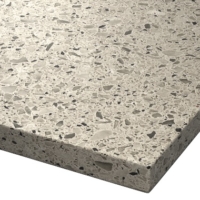
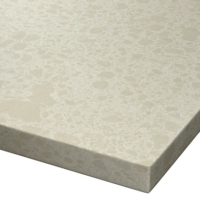
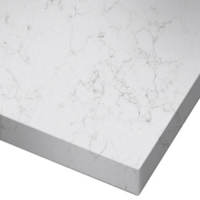
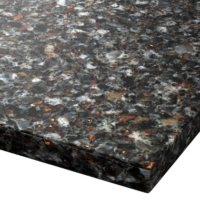


Granite Worktops London | Price Guide & Installation Tips Select

granite worktops london

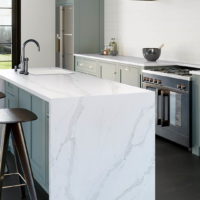
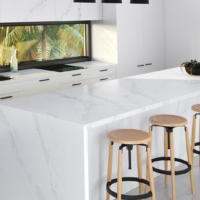
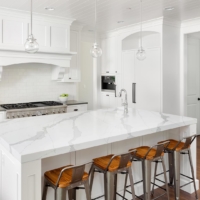
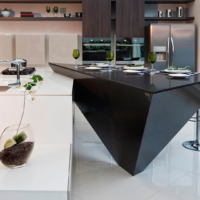
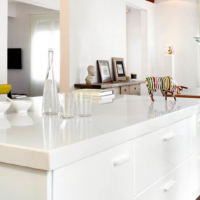
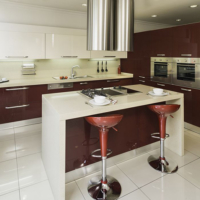
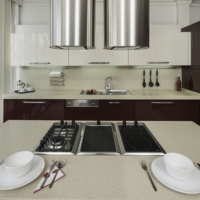
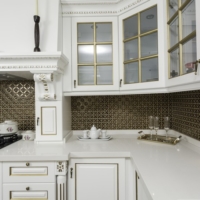
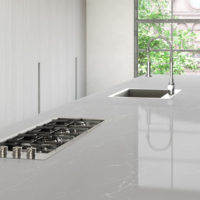
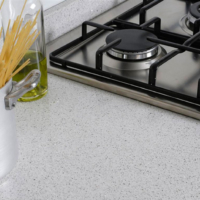
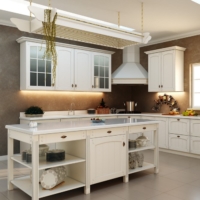
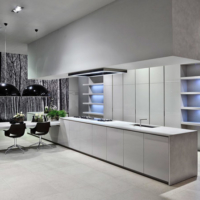
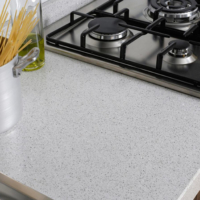
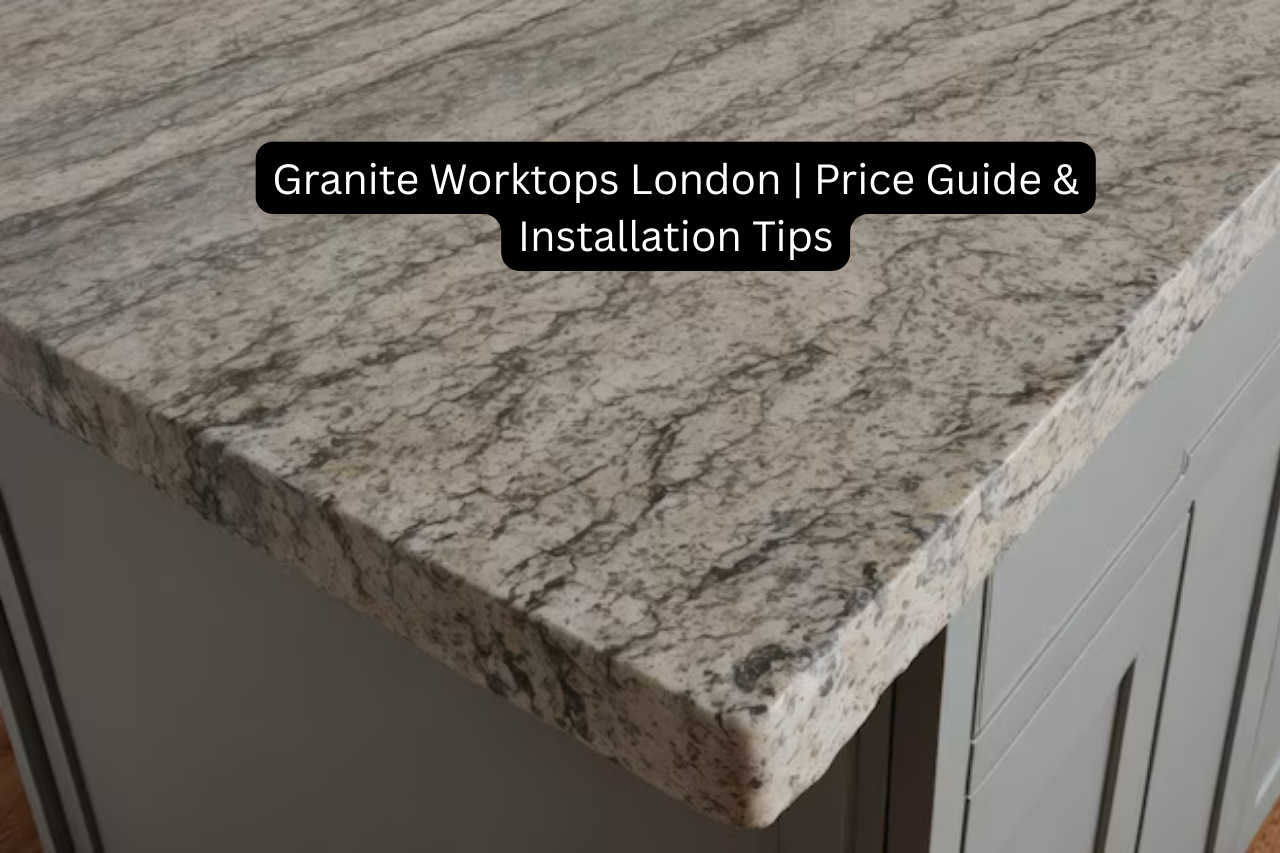
Granite worktops have long been a favourite in UK kitchens, and in London, their popularity continues to grow. Known for their durability, timeless appeal, and upscale aesthetic, granite worktops are a solid investment for both modern apartments and classic Victorian homes across the city. Whether you’re renovating a Notting Hill townhouse or upgrading a Hackney flat, this guide will walk you through everything you need to know about choosing granite worktops London —from pricing and design styles to installation and maintenance tips.


Why Choose Granite Worktops?

Granite is a natural stone that offers a unique blend of practicality and beauty. Here’s why homeowners across London are choosing granite for their kitchens:

  • Unmatched Durability: Granite is heat, scratch, and stain-resistant when properly sealed.
  • Luxury Look: Each slab is one-of-a-kind, giving your kitchen a distinctive, high-end look.
  • Easy Maintenance: With occasional sealing, granite remains low-maintenance and long-lasting.
  • Increased Property Value: A well-installed granite surface can significantly enhance your home’s appeal and resale value.

Popular Granite Styles in London Kitchens

Granite comes in a wide range of colours and finishes. Here are some of the most popular choices in London homes:

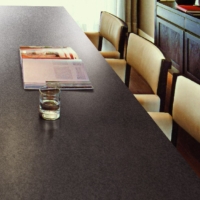
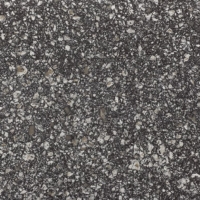
1. Absolute Black

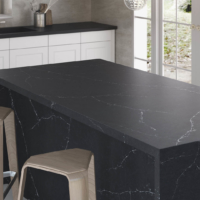
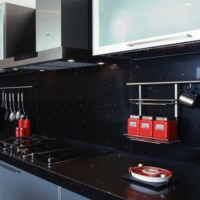
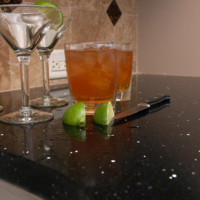
Sleek, simple, and modern—perfect for minimalist city kitchens.

2. White Ice or Bianco Romano

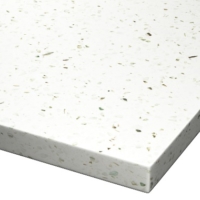
Light-toned granite with elegant veining, ideal for bright, airy spaces.

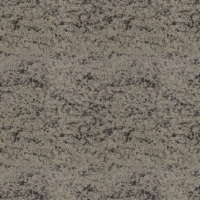
3. Steel Grey or Grey Pearl

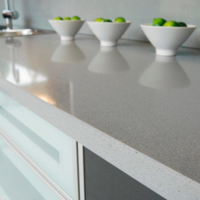
A versatile mid-tone grey that works in both traditional and contemporary interiors.

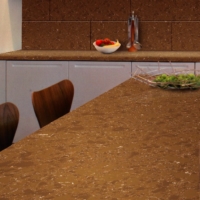
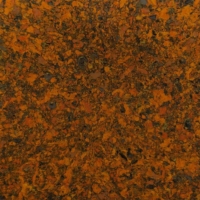
4. Baltic Brown or Coffee Brown

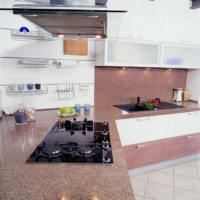
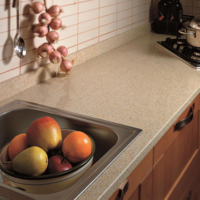
Warm, earthy tones that bring coziness to rustic or vintage-style kitchens.

5. Blue Pearl or Labradorite

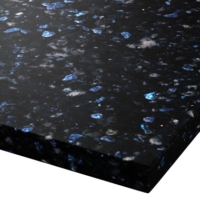
For those looking to make a bold statement, these stones shimmer with blue hues and light-reflecting minerals.

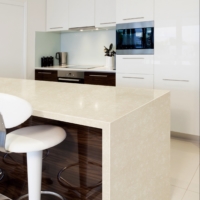
6. Colonial Gold or Kashmir White

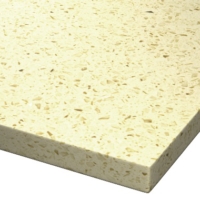
Subtle gold and cream patterns ideal for classic and neutral-themed kitchens.


Granite Worktops London Price Guide (2025)

The cost of granite worktops in London can vary significantly based on the stone’s rarity, finish, thickness, and the supplier’s location.

1. Material Costs (per square metre):

  • Standard granite: £250 – £350/m²
  • Premium granite: £400 – £600/m²
  • Exotic or imported granite: £700+/m²

2. Edge Profiles:

  • Basic straight edge: Included in most quotes
  • Bullnose, bevelled, ogee, or custom edges: £30 – £80 per linear metre extra

3. Cut-Outs and Extras:

  • Hob cut-out: £60 – £100
  • Sink cut-out (undermount): £100 – £150
  • Drainage grooves: £100 – £200
  • Splashbacks/upstands: £45 – £100/m²

4. Installation Cost:

Typically included in the total quote, but may cost around £200 – £500 depending on complexity and travel within Greater London.

Average Total Price (fully installed): £1,500 – £4,000 for a standard London kitchen.


Choosing a Granite Supplier in London

When sourcing granite worktops in London, consider these trusted suppliers and fabricators:

  • Granite Zone (Croydon): Known for excellent service and fair pricing.
  • Affordable Granite (Surrey/London): A popular choice for quality on a budget.
  • Marble & Granite Centre (Rickmansworth): Extensive range and bespoke fabrication.
  • Planet Granite (Harrow): Offers onsite stone selection and templating.
  • Local Kitchen Studios: Many offer bundled installation with cabinetry and appliances.

Always check:

  • If they offer full templating, fabrication, and installation
  • Turnaround time (typically 5–7 days post-template)
  • Customer reviews and past projects
  • Warranty on workmanship and material

Granite Worktop Installation Tips for London Homes

Proper installation is critical to getting the most from your granite. Here are key tips:

1. Templating Comes First

Once base units are installed, a professional will create an exact template of your kitchen layout. Precision is crucial!

2. Consider London Access Challenges

Homes in central London may have narrow staircases or limited parking—flag these issues to your supplier in advance.

3. Choose the Right Thickness

Most granite worktops are 20mm or 30mm thick. Thicker slabs offer durability and a premium feel but may require extra support.

4. Support and Reinforcement

Ensure appropriate bracing around hob cut-outs, breakfast bars, or unsupported corners.

5. Allow for Sealing

After installation, granite must be sealed to protect it from spills and stains. Most companies seal the stone before or immediately after installation.


Maintenance & Care

Granite is one of the easiest stones to maintain, but it still needs some TLC:

  • Daily Cleaning: Use a soft cloth and pH-neutral cleaner
  • Avoid Abrasives: No bleach or acidic cleaners
  • Re-seal Annually: Keeps it stain- and moisture-resistant
  • Use Trivets and Boards: Avoid placing hot pans or cutting directly on the surface
  • Wipe Spills Quickly: Especially oils, wine, or citrus juices

Granite vs. Quartz: Which Is Right for Your London Kitchen?

100% natural stone, while quartz is engineered from stone particles and resins.

Feature Granite Quartz
Appearance Unique natural patterns Uniform, modern colours
Durability Highly durable, heat-resistant Slightly more resistant to stains
Maintenance Needs periodic sealing Low-maintenance
Cost £250 – £600/m² £300 – £700/m²
Sustainability Natural but energy-intensive Less sustainable (resins)

For Londoners who want authenticity and uniqueness, granite remains a top pick.


Design Tips for Granite Worktops in London Homes

1. Pair with Handleless Cabinets

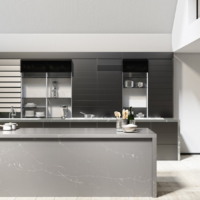
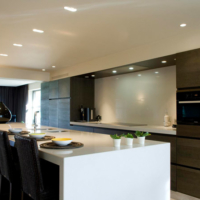
Create a sleek, modern kitchen by pairing black granite with white or grey handleless cabinets.

2. Contrast is Key

Use light granite with dark cabinetry or vice versa to create visual impact.

3. Statement Island

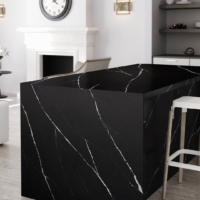
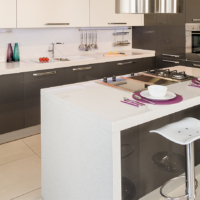
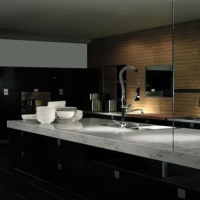
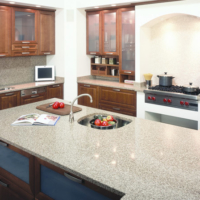
Use a striking slab on the kitchen island to make it the centrepiece.

4. Lighting Enhances Stone

Install under-cabinet LED strips to highlight the veining and texture.

5. Open-Plan Living

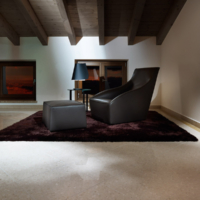
Granite seamlessly connects kitchen and living areas, especially in open-plan London flats.


Eco-Friendly Considerations

  • Choose local suppliers to reduce transportation emissions
  • Ask about quarry ethics if sourcing exotic stones
  • Opt for remnants for small kitchens or bathroom counters
  • Seal with eco-conscious products to avoid toxic chemicals

Final Thoughts

Granite worktops continue to be a staple of London kitchen design, blending practicality with visual luxury. Whether you’re in a period property in Kensington or a contemporary loft in Shoreditch, granite adds undeniable value and character.

With the right stone, supplier, and installation plan, you can enjoy a kitchen surface that lasts decades and only gets better with age. By following this guide, you’ll be well-equipped to choose the best granite worktop that fits your style, budget, and the unique challenges of living in one of the world’s busiest cities.


Elegant & Enduring | Bathroom Marble Ideas That Make a Statement Select

bathroom marble

When it comes to bathroom design, few materials evoke the sense of timeless elegance and luxury that marble does. A staple of classical architecture and modern interiors alike, marble has a unique ability to transform even the simplest bathroom into a sanctuary of style and serenity. In 2025, the use of marble in bathroom spaces continues to evolve, blending classic beauty with modern innovation. If you’re considering incorporating this stunning natural stone into your home, here are some bathroom marble ideas that make a bold and enduring statement.

1. Full Marble Bathrooms: The Ultimate Statement

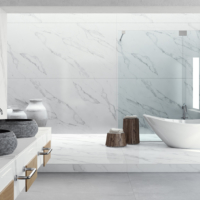
For those looking to create a jaw-dropping, immersive experience, a full marble bathroom is the ultimate design choice. From floor to ceiling, wrapping walls, flooring, countertops, and even the bathtub in matching or contrasting marble creates a high-impact, luxurious feel. Popular combinations include soft white Carrara paired with brass fixtures, or dramatic Nero Marquina contrasted with matte black or brushed gold accents. This approach works particularly well in master en-suites where homeowners want to emulate the ambiance of a five-star hotel.

2. Feature Walls in Marble

Not ready to go all-in with marble? A feature wall is a brilliant way to integrate the material without overwhelming the space. Use a large-format marble slab as the backdrop for a freestanding tub or behind the vanity. This single statement piece can elevate the entire room, especially when combined with minimalist decor and subtle lighting to highlight the veining and texture of the marble.

3. Marble Vanities and Countertops

A marble vanity or countertop remains a favorite for homeowners who crave a touch of opulence in their bathroom. Not only do they provide a functional surface, but they also serve as an eye-catching focal point. Pair a marble vanity top with a modern floating vanity base or a classic wooden cabinet to balance traditional and contemporary styles. For a bolder look, consider using colored marble like green Guatemala or pink Rosa Portogallo.

4. Marble Flooring with Underfloor Heating

Marble flooring adds sophistication to any bathroom, and it’s even better when paired with underfloor heating. The stone’s natural coolness can be offset by radiant heat, making it a luxurious yet practical choice for everyday comfort. Polished marble tiles in white, grey, or beige hues create a spa-like atmosphere, while honed finishes provide a more muted, non-slip option ideal for families.

5. Mixing Marble with Other Materials

One of the most stylish trends in bathroom design is combining marble with contrasting materials. Think marble walls with matte black metal, reclaimed wood, or concrete sinks. This juxtaposition of textures adds depth and visual interest, breaking the monotony while still highlighting marble’s natural beauty. It’s also a great way to keep costs down while still featuring marble prominently.

6. Statement Marble Sinks and Basins

Freestanding marble sinks or carved marble basins are bold, sculptural additions to a bathroom. These functional art pieces are ideal for powder rooms or guest bathrooms where space is limited but design impact is desired. Look for unique shapes or unconventional marble colors to make the sink the star of the room.

7. Marble in the Shower

Installing marble in your shower brings elegance to a highly functional space. Consider using marble tiles on the walls or as an accent niche within a tiled shower. Large-format marble slabs minimize grout lines and give the space a seamless, high-end finish. Pair it with a frameless glass door to maintain visual openness and let the marble shine.

8. Using Colored or Patterned Marble

While classic white and grey marbles remain staples, there is a growing trend towards colorful and patterned marble in bathroom design. Rich green, inky black, blushing pink, and deep burgundy marbles are making waves in high-end interiors. These bold choices can be used for accent walls, countertops, or tiled floors, adding personality and drama to your bathroom.

9. Backlit Marble Panels

Want to truly wow your guests? Backlit marble is a showstopping feature. Because marble is slightly translucent, backlighting it can create an ethereal glow that accentuates its natural veining. This technique works especially well behind a vanity mirror, in a shower wall, or as a decorative panel. It’s a luxurious touch that combines modern technology with timeless design.

10. Creating a Spa Atmosphere

Using marble as a primary material in your bathroom helps evoke the tranquil, calming ambiance of a luxury spa. Combine it with soft lighting, natural greenery, and plush towels to complete the look. Marble’s subtle veining and organic beauty create a soothing visual experience, ideal for relaxation and rejuvenation.

11. Matte vs. Polished Finishes

Choosing the right finish is just as important as selecting the right type of marble. Polished marble delivers a glossy, high-end look that reflects light and adds brightness to smaller bathrooms. On the other hand, honed or matte finishes offer a more understated, contemporary appeal while being less slippery—a practical advantage for flooring and wet areas.

12. Geometric Marble Tile Patterns

For a creative twist on classic marble tiles, consider laying them in geometric patterns like herringbone, chevron, or hexagon. This adds a layer of visual interest while retaining marble’s elegance. You can even mix and match different shades of marble to create custom mosaics or accent borders that frame vanities, mirrors, or tubs.

13. Sustainable and Responsible Sourcing

As sustainability becomes a priority in home renovations, many homeowners are seeking responsibly sourced marble. Look for suppliers who follow ethical quarrying practices and offer transparency about the origin of their materials. Additionally, consider using reclaimed or salvaged marble from older buildings or furniture for a more eco-conscious design choice with historical character.

14. Small Bathrooms, Big Marble Impact

Think marble is only for large bathrooms? Think again. In smaller bathrooms, using marble strategically can make the space feel bigger and more luxurious. Consider a marble pedestal sink, an accent wall behind the toilet, or a small-scale marble mosaic in the shower. Light-colored marble, especially with subtle veining, helps reflect light and visually expand the space.

Final Thoughts

Marble continues to captivate designers and homeowners alike with its timeless appeal and versatility. From grand, full-marble bathrooms to subtle accents and artistic flourishes, this enduring material can be adapted to suit a range of aesthetics, budgets, and layouts. Whether you’re going for a dramatic statement or understated elegance, bathroom marble offers endless possibilities for creating a space that is both functional and breathtakingly beautiful.

How to Maintain and Care for Your London Kitchen Worktops Select

london kitchen worktops

Well-chosen london kitchen worktops can elevate the aesthetics and functionality of your kitchen. In London homes, where space and style often play a crucial role, keeping your kitchen worktops in top condition ensures durability and longevity. Whether your worktop is made from granite, quartz, marble, wood, or laminate, proper care and maintenance will help it retain its beauty and practicality.

This comprehensive guide will cover the best cleaning techniques, maintenance tips, and preventive measures to keep your kitchen worktops looking pristine.

Understanding Different Kitchen Worktop Materials

Before diving into maintenance tips, it’s important to understand the common types of kitchen worktops found in London homes:

  • Granite Worktops: Natural, durable, and heat-resistant but require periodic sealing.
  • Quartz Worktops: Engineered stone that is stain-resistant and easy to maintain.
  • Marble Worktops: Elegant and luxurious but prone to staining and etching.
  • Wood Worktops: Warm and traditional but require regular oiling and protection from moisture.
  • Laminate Worktops: Affordable and low-maintenance but susceptible to heat and scratches.
  • Stainless Steel Worktops: Hygienic and modern but prone to fingerprints and scratches.

Each material has unique cleaning and maintenance requirements, which we’ll explore in detail below.

Daily Cleaning Routine for Kitchen Worktops

Regardless of the material, a consistent cleaning routine will prevent buildup of dirt, stains, and bacteria.

1. Use Mild Detergents

For everyday cleaning, a simple mix of warm water and mild dish soap works well for most surfaces. Avoid harsh chemicals, as they can damage the finish of natural stones and wooden surfaces.

Steps:

  1. Wipe down the worktop with a damp microfiber cloth and soapy water.
  2. Rinse with clean water to remove any residue.
  3. Dry with a soft cloth to prevent streaks or water spots.

2. Avoid Abrasive Scrubbers

Abrasive pads or harsh cleaning agents can cause scratches, especially on quartz, marble, and laminate worktops. Instead, use soft sponges or microfiber cloths.

Deep Cleaning and Stain Removal

3. Removing Stains from Different Worktop Materials

Some materials are more prone to staining than others. Here’s how to handle common stains on various surfaces:

Granite & Quartz

  • For stubborn stains, create a paste using baking soda and water.
  • Apply it to the stain, let it sit for a few minutes, and wipe away with a damp cloth.

Marble

  • Use a mixture of water and mild dish soap for everyday cleaning.
  • For deep stains, a poultice of baking soda and water can help lift stains from the porous surface.

Wood

  • Wipe up spills immediately to prevent warping.
  • Remove stains by lightly sanding the area and reapplying mineral oil.

Laminate

  • Use a non-abrasive cleaner or a mix of vinegar and water to remove stains.
  • Avoid excessive water exposure, as laminate edges can peel over time.

Preventive Care for Kitchen Worktops

4. Use Cutting Boards and Trivets

Even the most durable worktops can suffer from direct heat exposure and sharp objects. Always use:

  • Cutting boards to prevent scratches and knife marks.
  • Trivets or heat-resistant pads under hot pots and pans to avoid heat damage.

5. Seal Natural Stone Worktops

Granite and marble worktops require periodic sealing to maintain their resistance to stains and moisture. Test the seal by placing a few drops of water on the surface—if it absorbs quickly, it’s time to reseal.

How to Seal a Stone Worktop:

  1. Clean the surface thoroughly and let it dry.
  2. Apply a stone sealer evenly using a cloth or brush.
  3. Let it absorb for the recommended time (usually 10–15 minutes).
  4. Wipe off excess sealer and buff the surface.

6. Oiling Wooden Worktops

Wood requires regular oiling to maintain its finish and prevent cracking.

Steps to Oil a Wooden Worktop:

  1. Clean the surface and let it dry completely.
  2. Apply a food-safe mineral oil or Danish oil evenly.
  3. Allow it to soak for a few hours, then wipe off the excess.
  4. Repeat every few months for best results.

Handling Scratches and Surface Damage

7. Repairing Scratches

  • Granite & Quartz: Minor scratches can be polished out with a stone repair kit.
  • Marble: Use fine sandpaper to buff out light scratches, followed by a marble polish.
  • Wood: Sand the area and reapply a protective oil.
  • Laminate: Minor scratches can be concealed with laminate repair paste.

8. Preventing Chips and Cracks

  • Avoid dropping heavy objects on stone surfaces.
  • Use caution when placing heavy appliances on laminate worktops.
  • Be mindful of edges, which are more prone to chipping.

Special Care Tips for London Homes

Living in London comes with its own set of challenges, including hard water and humidity. Here are additional tips to maintain your worktops:

9. Preventing Hard Water Stains

London’s water supply is rich in minerals, which can leave deposits on kitchen surfaces. To prevent water stains:

  • Wipe down worktops after each use.
  • Use a mixture of vinegar and water to remove limescale buildup on stone and stainless steel.

10. Managing Humidity Levels

Excess humidity can affect wooden and laminate worktops, causing warping or peeling.

  • Ensure good ventilation in your kitchen.
  • Use a dehumidifier if necessary to maintain optimal moisture levels.

Conclusion

Caring for your London kitchen worktops doesn’t have to be a complicated task. By following a consistent cleaning routine, using the right products, and taking preventive measures, you can keep your worktops looking new for years to come.

Key Takeaways:

  • Clean your worktops daily with mild soap and water.
  • Use cutting boards and trivets to prevent scratches and heat damage.
  • Seal granite and marble regularly to maintain their resistance to stains.
  • Oil wooden worktops to keep them hydrated and durable.
  • Wipe down surfaces to prevent hard water stains, especially in London’s high-mineral water conditions.

Whether your worktops are made of granite, quartz, marble, wood, or laminate, proper care will ensure they remain a stylish and functional feature in your kitchen. By investing time in maintenance, you’ll preserve both the beauty and the value of your kitchen space for years to come.