

















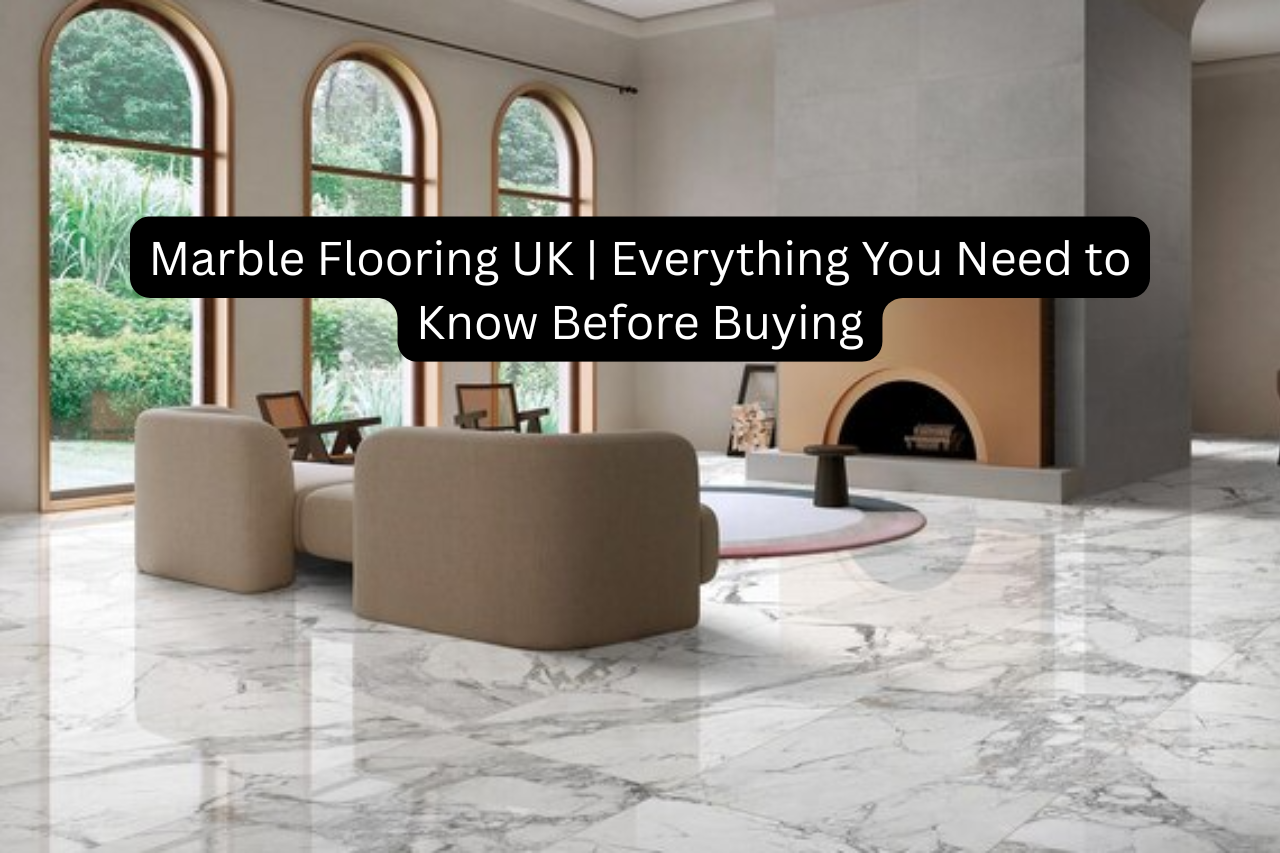
Marble Flooring UK | Everything You Need to Know Before Buying Select

marble flooring uk

Marble flooring has long been associated with elegance, luxury, and timeless beauty. In the UK, it’s becoming an increasingly popular choice among homeowners, interior designers, and property developers looking to add a touch of sophistication to both traditional and modern interiors. However, before making an investment in marble flooring, it’s essential to understand the key aspects involved—from cost and installation to maintenance and design options. This comprehensive guide will cover everything you need to know before buying marble flooring UK.

What is Marble Flooring?

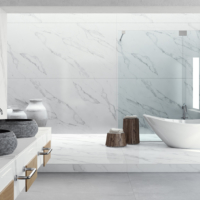
Marble is a natural stone formed from limestone that has undergone metamorphosis through heat and pressure, resulting in its crystalline structure and characteristic veining. Each marble tile is unique, offering a one-of-a-kind look. Popular varieties include Carrara, Calacatta, and Crema Marfil, each offering distinct colour palettes and veining patterns.

Benefits of Marble Flooring

1. Aesthetic Appeal

Marble is known for its striking appearance and luxurious finish. It adds brightness to a room, thanks to its natural shine and light-reflective properties.

2. Durability

When properly maintained, marble flooring can last for decades. It is suitable for both residential and commercial spaces due to its resilience.

3. Increased Property Value

Installing marble flooring can enhance the perceived value of a property, making it more attractive to potential buyers or tenants.

4. Natural Cooling Effect

Marble stays cool underfoot, making it ideal for warmer rooms or homes that receive a lot of natural sunlight.

Types of Marble Commonly Used in the UK

  • Carrara Marble (Italy): White or blue-grey with soft veining, commonly used in UK bathrooms and kitchens.
  • Calacatta Marble (Italy): Premium quality, whiter base with bold veining—perfect for statement flooring.
  • Crema Marfil Marble (Spain): Creamy beige tones ideal for traditional British interiors.
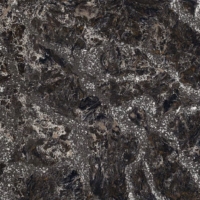
  • Nero Marquina Marble (Spain): Black marble with dramatic white veining, often used for contrast or border accents.

Things to Consider Before Buying Marble Flooring in the UK

1. Climate and Suitability

While marble can handle the UK’s variable climate, it is sensitive to moisture and extreme cold if installed outdoors. Proper sealing and underfloor heating can mitigate these concerns.

2. Cost Factors

The cost of marble flooring in the UK varies depending on the type, thickness, finish, and installation complexity. On average:

  • Basic Carrara marble starts at around £40 per square metre.
  • Premium types like Calacatta can exceed £100 per square metre.
  • Installation costs typically range from £30-£50 per square metre.

3. Room Usage

Marble is ideal for living rooms, hallways, and bathrooms. However, in kitchens or high-traffic areas, it may require more frequent maintenance due to its susceptibility to staining and etching.

4. Polished vs Honed Finish

  • Polished marble has a glossy, mirror-like surface that enhances colour and veining but can be slippery.
  • Honed marble has a matte finish that is less prone to scratching and more slip-resistant, making it suitable for bathrooms.

5. Sealing and Maintenance

Marble is porous and needs regular sealing to prevent stains and moisture absorption. Maintenance involves:

  • Using pH-neutral cleaners
  • Avoiding acidic substances like vinegar and lemon
  • Resealing every 6 to 12 months depending on usage

Installation Tips for UK Homeowners

1. Hire a Specialist

Marble installation requires skill to avoid cracks and ensure an even layout. Hiring a professional with experience in natural stone installation is crucial.

2. Subfloor Preparation

Ensure the subfloor is clean, level, and dry. Underfloor heating is a great addition, especially for colder regions of the UK.

3. Layout Planning

Plan your tile layout in advance to highlight veining patterns or create specific visual effects like bookmatching.

4. Grouting

Choose a grout colour that complements the marble and apply it carefully to avoid staining the tiles.

Marble Flooring and Sustainability

While marble is a natural material, quarrying and transportation can impact the environment. Opt for suppliers who source responsibly and offer locally available options where possible. Some suppliers in the UK now offer reclaimed marble, which adds character while reducing environmental impact.

Where to Buy Marble Flooring in the UK

1. Specialist Stone Suppliers

Look for companies that specialise in natural stone and have a showroom. Reputable UK suppliers include:

  • Mandarin Stone
  • London Stone
  • The Marble Store

2. Online Retailers

Several online platforms offer high-quality marble tiles with home delivery across the UK. Ensure they provide samples, good return policies, and customer reviews.

3. Home Improvement Stores

Chains like Wickes or B&Q may stock marble-look tiles, which are porcelain alternatives with similar aesthetics.

Alternatives to Marble Flooring

If natural marble exceeds your budget or maintenance tolerance, consider these alternatives:

  • Marble-Effect Porcelain Tiles: Lower cost, minimal maintenance, and visually similar to real marble.
  • Engineered Marble: Made from crushed marble and resin, it’s more stain-resistant and affordable.
  • Vinyl or Laminate with Marble Finish: Budget-friendly, but lacks the authentic feel and longevity of real stone.

Common Mistakes to Avoid

  • Skipping the Sealant: Always seal marble to protect against stains.
  • Using Harsh Cleaners: Acidic or abrasive cleaners can damage the surface.
  • Improper Installation: Uneven subfloors or incorrect adhesives can lead to cracked tiles.
  • Not Ordering Extra Tiles: Always order 10-15% extra to cover breakage or future repairs.

Final Thoughts

Marble flooring is an excellent investment for UK homes, offering timeless style and long-term value. While it does require a bit more care than other flooring options, the stunning results are well worth the effort. Whether you’re revamping a Victorian townhouse or designing a contemporary flat, marble flooring adds unmatched beauty and class.

Before making your purchase, assess your needs, budget, and lifestyle. Consult with professionals, request samples, and choose a reputable supplier to ensure your marble flooring journey is a smooth and satisfying one.

With the right approach, your marble floors will be a lasting centerpiece in your home, reflecting both sophistication and smart decision-making.

Why Marble Kitchen Worktops Are Worth the Investment Select

marble kitchen worktops

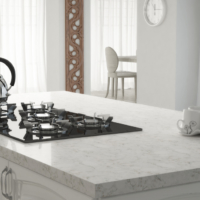
Marble has been a symbol of elegance and sophistication for centuries. From ancient palaces to modern homes, this natural stone remains a top choice for kitchen worktops due to its beauty, durability, and timeless appeal. While marble worktops may come with a higher price tag than some alternatives, they offer long-term value that makes them a worthwhile investment. In this article, we will explore why marble kitchen worktops are worth the cost, considering factors such as aesthetics, durability, maintenance, and resale value.

1. Timeless Aesthetic Appeal

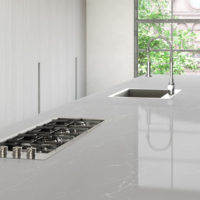
One of the primary reasons homeowners opt for marble kitchen worktops is their unparalleled aesthetic appeal. Marble is a natural stone with unique veining patterns, ensuring that no two slabs are exactly alike. This exclusivity adds a touch of luxury to any kitchen space.

Natural Beauty and Elegance

  • The soft, natural patterns and veining create an upscale, sophisticated look.
  • Available in various colors, including classic white, gray, beige, and even deep green or blue.
  • Complements various kitchen styles, from traditional to contemporary.

Versatile Design Options

  • Marble can be honed for a matte finish or polished for a high-gloss appearance.
  • Works well with different cabinetry and flooring materials, making it highly adaptable.
  • Enhances the visual appeal of both small and large kitchens.

2. Exceptional Durability and Strength

While marble is softer than some other stones like granite, it is still highly durable and can last for decades with proper care. Many historic buildings feature marble surfaces that have stood the test of time.

Heat Resistance

  • Marble is naturally heat-resistant, making it ideal for kitchens where hot pans and pots are frequently used.
  • Unlike synthetic countertops, it will not warp or melt when exposed to heat.

Long Lifespan

  • With proper sealing and maintenance, marble worktops can last for generations.
  • Resistant to cracking and chipping when treated with care.

3. Adds Value to Your Home

Investing in high-quality materials for your kitchen can significantly impact your home’s resale value. Marble is a premium material that is often sought after by homebuyers.

Increased Property Value

  • A well-maintained marble worktop can make your home more attractive to potential buyers.
  • Often seen as a sign of quality and luxury, increasing the perceived value of your property.

Return on Investment (ROI)

  • Though the initial cost may be higher, marble worktops can pay off when selling your home.
  • Homebuyers are often willing to pay more for a kitchen with elegant, long-lasting materials.

4. Naturally Cool Surface – Ideal for Baking

For those who enjoy cooking and baking, marble provides a naturally cool surface that is perfect for working with pastry, dough, and chocolate.

Benefits for Cooking Enthusiasts

  • Maintains a lower temperature compared to other countertop materials.
  • Provides a smooth and non-stick surface for rolling out dough.
  • Preferred by professional chefs and home bakers alike.

5. Unique and Customizable Appearance

Unlike mass-produced materials, each marble slab is unique, offering a one-of-a-kind look for your kitchen.

Variety of Colors and Patterns

  • Classic white Carrara marble with soft gray veining.
  • Calacatta marble with bold, dramatic veins.
  • Darker marbles like Nero Marquina for a striking contrast.

Tailored to Your Preference

  • Can be cut and shaped to fit custom kitchen layouts.
  • Various edge profiles available, from simple beveled edges to intricate ogee designs.

6. Easy Maintenance with Proper Care

While marble does require some maintenance, it is not as high-maintenance as some may think. With regular sealing and proper cleaning, marble can stay in excellent condition for years.

How to Maintain Marble Worktops

  • Sealing: Apply a high-quality sealant every 6-12 months to protect against stains and moisture.
  • Cleaning: Use a mild soap or pH-neutral cleaner to avoid damaging the surface.
  • Avoid Acidic Substances: Lemon juice, vinegar, and other acidic foods can etch the marble if not wiped up quickly.
  • Use Cutting Boards and Trivets: Prevent scratches and heat damage by using protective kitchen accessories.

7. Eco-Friendly and Sustainable Choice

Marble is a natural material that does not require extensive chemical processing, making it an environmentally friendly option for kitchen worktops.

Sustainability Factors

  • Sourced directly from quarries, reducing the need for synthetic production.
  • Can be recycled or repurposed if replaced.
  • Long lifespan reduces waste compared to lower-quality materials that need frequent replacement.

8. Enhances Kitchen Lighting and Space Perception

The light-reflecting properties of marble can help make a kitchen feel brighter and more spacious.

How Marble Improves Your Kitchen’s Ambiance

  • Polished marble reflects natural and artificial light, creating a more open and airy feel.
  • Lighter-colored marble can make small kitchens appear larger.
  • Works well with a variety of lighting setups to enhance the overall aesthetics.

9. Luxurious Yet Affordable in the Long Run

While marble worktops may require a higher upfront investment, their durability and timeless beauty make them cost-effective in the long term.

Long-Term Affordability

  • Other materials may need to be replaced or repaired more frequently.
  • The lasting appeal of marble ensures it never goes out of style.
  • Requires fewer upgrades compared to trendy countertop materials.

Conclusion: Is Marble Worth the Investment?

Marble kitchen worktops offer a blend of luxury, durability, and functionality that makes them a worthy investment for any homeowner. Their timeless beauty, heat resistance, and ability to increase property value make them a preferred choice among designers and homeowners alike. While they require proper care, the benefits of having marble in your kitchen far outweigh the maintenance efforts.

If you’re looking for a countertop material that adds elegance and sophistication while providing excellent long-term value, marble is undoubtedly a top contender. Whether you’re renovating your kitchen or designing a new one, investing in marble worktops can enhance both the aesthetic appeal and functionality of your space.

Silestone Worktop | The Perfect Blend of Beauty and Durability Select

Silestone worktop

When it comes to choosing the perfect worktop for your kitchen or bathroom, durability and aesthetics are two crucial factors. Silestone worktop have emerged as one of the most sought-after choices for homeowners and interior designers due to their blend of beauty and resilience. Made from high-quality quartz and enhanced with cutting-edge technology, Silestone worktops offer a luxurious look while providing exceptional resistance to stains, scratches, and impact.

In this guide, we will explore everything you need to know about Silestone worktops, including their benefits, popular styles, maintenance tips, and how they compare to other worktop materials.

What is Silestone?

Silestone is a premium engineered quartz surface composed of 90% natural quartz combined with resins and other materials to create a non-porous, highly durable, and aesthetically pleasing worktop. Manufactured by Cosentino, Silestone is renowned for its vast range of colors, textures, and finishes, making it a versatile choice for modern kitchens and bathrooms.

Benefits of Silestone Worktops

1. Exceptional Durability

Silestone worktops are incredibly strong, thanks to their high quartz content. They are resistant to scratches, chips, and cracks, making them ideal for high-traffic areas like kitchens.

2. Stain Resistance

Unlike natural stones such as marble and granite, Silestone is non-porous, meaning it does not absorb liquids. This makes it highly resistant to stains from coffee, wine, lemon juice, and other common kitchen spills.

3. Low Maintenance

Silestone worktops require minimal maintenance compared to other materials. They do not need sealing, unlike granite or marble, and can be cleaned easily with mild soap and water.

4. Wide Range of Colors and Finishes

With over 90 colors and multiple finishes, including polished, suede, and volcano textures, Silestone allows homeowners to achieve a customized look that suits their kitchen design.

5. Hygienic and Antibacterial

Silestone features a built-in bacteriostatic protection system, which helps prevent the growth of bacteria and mold, making it a hygienic choice for food preparation areas.

6. Eco-Friendly Option

Silestone offers an eco-friendly line known as the “Eco Line,” which is made from recycled materials such as glass and porcelain. This makes it a sustainable choice for environmentally conscious homeowners.

Popular Silestone Worktop Styles

1. Calacatta Gold

A luxurious white worktop with elegant gold and gray veining, perfect for creating a high-end kitchen aesthetic.

2. Eternal Marquina

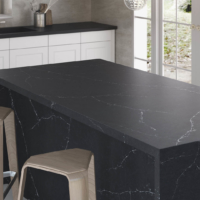
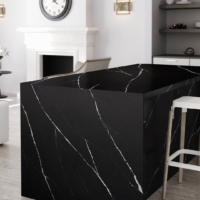
A stunning black worktop with dramatic white veining, offering a sophisticated and modern look.

3. Blanco Zeus

A crisp, pure white worktop that complements minimalist and contemporary kitchen designs.

4. Cemento Spa

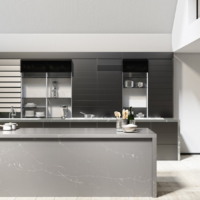
A sleek gray worktop with a concrete-inspired finish, ideal for industrial-style kitchens.

5. Stellar Night

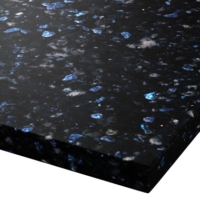
A black worktop with embedded reflective particles, adding a touch of glamour to any kitchen space.

Comparing Silestone to Other Worktop Materials

1. Silestone vs. Granite

  • Durability: Both materials are highly durable, but Silestone is less prone to cracks and chips.
  • Maintenance: Granite requires periodic sealing, whereas Silestone is maintenance-free.
  • Stain Resistance: Silestone is non-porous and resists stains better than granite.
  • Aesthetic Appeal: Granite offers natural variations, while Silestone provides more uniformity in color and pattern.

2. Silestone vs. Marble

  • Durability: Marble is softer and more prone to scratches and stains compared to Silestone.
  • Maintenance: Marble requires regular sealing, while Silestone does not.
  • Aesthetic Appeal: Marble has a classic and luxurious look, but Silestone offers similar designs with enhanced durability.

3. Silestone vs. Quartzite

  • Durability: Quartzite is a natural stone that is very durable, but it requires sealing.
  • Maintenance: Silestone is easier to maintain due to its non-porous nature.
  • Cost: Quartzite can be more expensive than Silestone, depending on the rarity of the stone.

How to Maintain Your Silestone Worktop

1. Daily Cleaning

Wipe down the surface with a damp cloth and mild soap. Avoid harsh chemicals or abrasive cleaners.

2. Avoid High Heat Exposure

Although Silestone is heat-resistant, it is recommended to use trivets or heat pads for hot pots and pans to prevent damage.

3. Use Cutting Boards

While Silestone is scratch-resistant, using a cutting board can help maintain its pristine surface over time.

4. Prevent Chemical Damage

Avoid exposing the worktop to strong chemicals such as bleach, paint removers, or solvents, as these can cause discoloration.

Cost of Silestone Worktops

The cost of Silestone worktops varies depending on the color, finish, and installation requirements. On average, the price ranges from £250 to £500 per square meter, including installation.

Factors affecting the cost include:

  • Thickness: 12mm, 20mm, or 30mm thickness options.
  • Edging Style: Straight, beveled, or ogee edges may add to the cost.
  • Custom Cutouts: Sink cutouts, draining grooves, and splashbacks may increase the price.

Design Ideas for Silestone Worktops

1. Modern Minimalism

Pair a white Silestone worktop like Blanco Zeus with handleless cabinetry for a sleek, minimalist look.

2. Classic Elegance

Use a veined Silestone option like Eternal Calacatta Gold with brass or gold hardware for a timeless aesthetic.

3. Industrial Chic

Combine a gray Silestone worktop like Cemento Spa with exposed brick walls and black metal fixtures for an industrial feel.

4. Bold and Dramatic

Opt for a dark-colored worktop like Eternal Marquina with matte black cabinetry for a moody and contemporary design.

5. Scandinavian Simplicity

Use a soft gray or beige Silestone worktop with light wood cabinetry to achieve a cozy, Scandinavian-inspired kitchen.

Final Thoughts

Silestone worktops are an excellent choice for homeowners seeking the perfect blend of beauty and durability. With their wide range of colors, low maintenance requirements, and superior resistance to stains and scratches, they offer an elegant and practical solution for modern kitchens and bathrooms.

Whether you prefer a classic marble look, a bold statement piece, or a sleek contemporary finish, Silestone provides a versatile and long-lasting worktop option. By choosing a Silestone worktop, you are investing in both style and functionality, ensuring your kitchen remains a stunning focal point for years to come.