
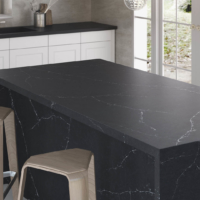
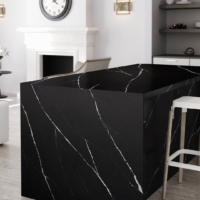



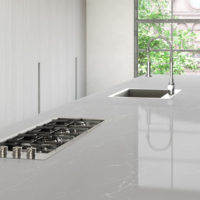
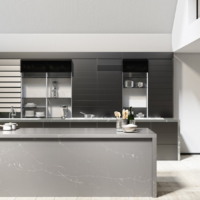
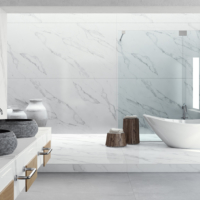

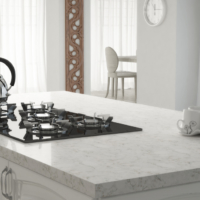















Marble kitchen worktops are a classic choice for homeowners seeking a luxurious, timeless look. However, with various types of marble, colors, and pricing options available, selecting the best one that suits your budget can be a challenging task. Whether you’re renovating your kitchen or building a new one, understanding the factors that influence marble prices and quality will help you make an informed decision.
This guide will walk you through the key considerations to help you choose the best marble kitchen worktop for your needs, and how you can do so without breaking the bank.
1. Understanding the Different Types of Marble
Before making a decision, it’s important to understand the different types of marble available in the market. These can vary significantly in both appearance and price. The two most common types of marble used in kitchen worktops are:
Carrara Marble
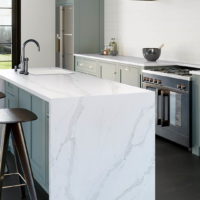
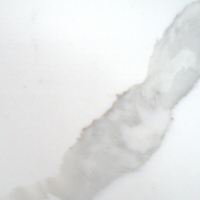
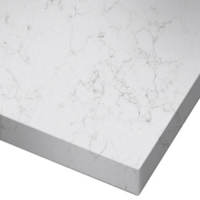
Carrara marble is one of the most well-known types of marble. It typically features a white or blue-grey background with soft, subtle veining. Carrara is often considered the most affordable type of marble because it’s mined in large quantities in Italy. However, it still provides the elegant, luxurious feel of marble without the high-end price tag.
Calacatta Marble
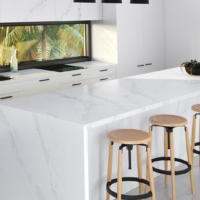
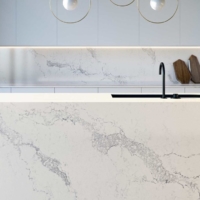
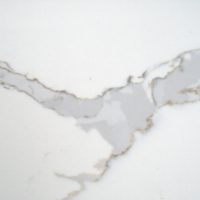
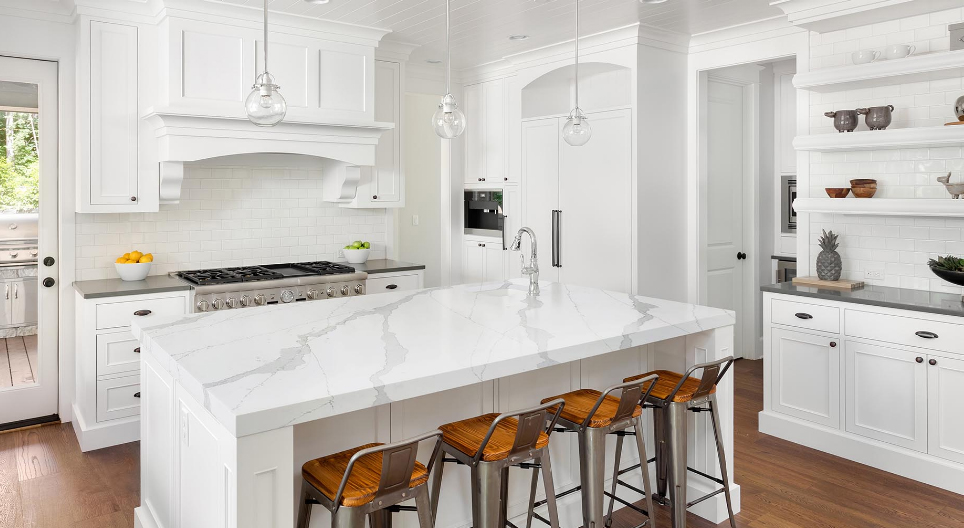
Calacatta marble is considered more luxurious and expensive compared to Carrara. This type features striking veining in bold, contrasting colors like gold or grey. Calacatta marble has a more dramatic look, making it a popular choice for those who want a sophisticated and upscale kitchen design.
Statuario Marble
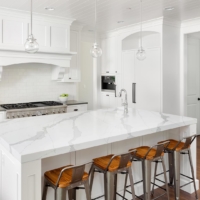
Statuario marble is another high-end option, known for its crisp, white background and thicker, more defined veining. It’s highly prized for its beauty and rarity, often used in high-end kitchens. While stunning, Statuario can be one of the more expensive marble types.
Crema Marfil Marble
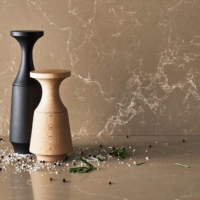
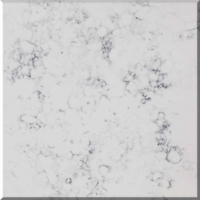
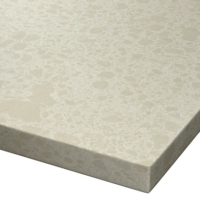
Crema Marfil is a lighter, cream-colored marble that can provide a warmer, more subtle tone to your kitchen. It’s often less expensive than the white varieties but still offers the distinctive marbling effect. Crema Marfil works well with a variety of design aesthetics and is often used in budget-conscious renovations.
2. Consider the Marble’s Durability
Marble, while undeniably beautiful, is a soft, porous stone. This means it requires more maintenance than other countertop materials like granite or quartz. However, there are ways to ensure your marble worktop lasts for years:
Polished vs. Honed Finish
When it comes to durability, the finish of your marble matters. A polished finish provides a shiny, reflective surface but can be more prone to scratching and staining. On the other hand, a honed finish is matte and offers a more subtle look. Although honed marble is less likely to show scratches, it can still absorb liquids if not sealed properly.
To balance cost with durability, many homeowners opt for a honed finish on their marble kitchen worktops. While slightly more affordable than a polished finish, it’s less demanding in terms of care.
3. Assessing the Color and Veining
The color and veining of your marble worktop can significantly affect both the look and cost of your kitchen. The more distinct and dramatic the veining, the higher the cost tends to be. Lighter-colored marbles, such as Carrara and Crema Marfil, are often less expensive than rich, white marbles with bold veining, such as Calacatta or Statuario.
To stay within your budget, consider the following:
-
Neutral shades like light grey or cream tend to be more affordable.
-
Bold, contrasting veining may increase the cost, but it can elevate the look of your kitchen.
-
If you’re working with a limited budget, opt for lighter-colored marbles, which will still provide a luxurious feel without the premium price tag.
4. Think About Maintenance Costs
Marble countertops require regular care to maintain their luster. Sealing is essential to prevent stains, especially from acidic substances like wine, vinegar, or citrus. The cost of sealing your marble will depend on the size of your worktops and the type of sealant used. While sealing may add to the overall cost, it will help extend the life of your marble worktop, saving you money on repairs in the long term.
Maintenance Tip:
Use a gentle, pH-balanced cleaner to prevent damaging your marble. Avoid harsh chemicals like bleach, which can erode the surface.
5. Marble Thickness and Slab Size
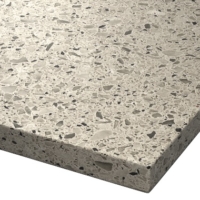
The thickness and size of the marble slabs you choose will impact both the price and look of your kitchen worktop. Thicker marble, particularly slabs that are 30mm or more, will cost more, but they create a more luxurious and dramatic look. Thinner slabs (around 20mm) are a more affordable option while still providing the elegance of marble.
Additionally, if you need larger slabs due to your kitchen’s size or shape, the cost will increase. Consider whether you can use smaller, more affordable slabs to meet your needs without compromising the overall aesthetic.
6. Consider Custom Fabrication Costs
While buying off-the-shelf marble countertops can help keep costs down, custom fabrication will often add to the final price. Custom cutting and edge treatments, such as ogee or bullnose edges, can increase the cost of your worktop. To save on fabrication, stick to simpler, standard edges and avoid custom designs.
7. Finding a Reliable Supplier
Choosing a reputable marble supplier is essential to ensure you receive high-quality material at a competitive price. Take the time to:
-
Compare prices from multiple suppliers.
-
Ask for samples to assess the quality of the marble.
-
Read reviews or ask for recommendations from friends or family who have worked with the supplier before.
Local suppliers may offer better prices compared to national chains, and some suppliers may offer discounts for larger orders.
8. Installation Costs
Lastly, don’t forget to factor in installation costs. Professional installation ensures your marble worktops are fitted correctly and safely, but it can add 10-20% to the overall cost. However, cutting corners here by opting for DIY installation can lead to costly mistakes and repairs in the future.
9. Budget Tips for Marble Kitchen Worktops
If you’re on a tight budget but still want to incorporate marble into your kitchen, consider these cost-saving strategies:
-
Opt for thinner slabs: They are more affordable and still give you the marble look.
-
Choose lighter-colored marbles: These are generally less expensive than darker, more dramatic stones.
-
Go for smaller sections: If you don’t need a full slab, buying smaller pieces can reduce costs.
-
Choose a honed finish: It’s more affordable and easier to maintain.
-
Check for discounts or sales: Suppliers may have seasonal sales or clearance items that offer significant savings.
FAQ – Frequently Asked Questions
1. How much do marble kitchen worktops cost?
The cost of marble kitchen worktops typically ranges between £250 to £500 per square meter, depending on the type, quality, and thickness of the marble. High-end types like Calacatta or Statuario marble can be much more expensive.
2. How do I maintain marble countertops?
To maintain marble countertops, you should seal the surface regularly to protect it from stains and etching. Clean spills immediately with a soft cloth and a mild cleaner. Avoid harsh chemicals, and use coasters and cutting boards to protect the surface.
3. Can I use marble in a busy kitchen?
Yes, you can use marble in a busy kitchen, but be aware that it’s a softer stone and more prone to scratching and staining. If you’re okay with the extra maintenance, marble can still work well in a high-traffic kitchen.
4. What is the best marble for a budget-friendly kitchen?
For a budget-friendly option, Carrara marble is an excellent choice. It offers a timeless, elegant look at a more affordable price compared to other high-end options like Calacatta or Statuario marble.
5. How long do marble kitchen worktops last?
With proper care, marble kitchen worktops can last a lifetime. Regular sealing and cleaning will prevent staining and wear over time.