












Marble Flooring UK: A Sustainable Option for Modern Homes Select

marble flooring uk

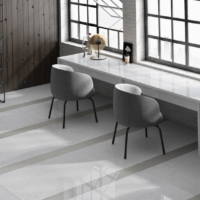
When it comes to flooring, homeowners are increasingly leaning towards sustainable options that offer durability, elegance, and long-term value. Among the various materials available, marble flooring UK stands out as a timeless and eco-friendly choice. Known for its luxurious appeal and long-lasting performance, marble flooring offers both aesthetic beauty and sustainability, making it an ideal choice for modern homes. In this article, we will explore why marble flooring is an excellent sustainable option, its benefits, how it compares to other flooring materials, and how to care for it to ensure it lasts for generations.

What Makes Marble Flooring a Sustainable Choice?

Marble is a natural stone that has been used for centuries in various architectural applications. Its sustainability comes from several factors, including its durability, natural origins, and low environmental impact during production. Let’s dive deeper into these aspects.

1. Natural Resource

Marble is a natural material, and its extraction involves minimal processing compared to synthetic flooring materials. While mining does have an environmental impact, marble can be sourced responsibly from quarries that use sustainable practices. The use of natural stone ensures that the flooring is not contributing to the release of harmful chemicals into the environment, unlike synthetic flooring options such as vinyl or laminate, which may contain non-renewable materials.

2. Longevity and Durability

Marble is one of the most durable flooring materials available. Unlike hardwood, which can be prone to scratches, dents, and water damage, marble is resistant to wear and tear. It can last for decades, if not centuries, with the proper care. Its ability to withstand heavy foot traffic, spills, and general wear makes it a more sustainable option than flooring materials that require frequent replacement or maintenance. As a result, marble floors reduce the need for constant manufacturing and transportation of new materials, lowering the overall environmental footprint.

3. Energy Efficiency

Marble’s natural thermal properties make it an energy-efficient choice for homes. It can absorb and store heat from the sun during the day and release it slowly at night, helping to regulate indoor temperatures. This natural temperature regulation can reduce the need for artificial heating and cooling, lowering energy consumption and your carbon footprint.

4. Recyclability

At the end of its long life, marble flooring can be repurposed or recycled. Many companies specialize in reusing marble for other building projects, such as countertops or cladding. This ability to be recycled helps reduce waste and ensures that the material doesn’t end up in a landfill.

Benefits of Marble Flooring for Modern Homes

1. Aesthetic Appeal

Marble flooring has an unparalleled aesthetic quality. With its unique veining and lustrous finish, each slab is a work of art in itself. Whether you choose a polished, honed, or brushed finish, marble’s natural beauty adds sophistication and elegance to any room. Its neutral color palette, ranging from white to beige, grey, and even green or red, makes it versatile enough to complement a variety of interior design styles.

2. Improved Indoor Air Quality

Unlike carpets or synthetic flooring, marble doesn’t trap dust, dirt, or allergens. Its smooth surface makes it easy to clean and maintain, promoting better indoor air quality. For those with allergies or respiratory issues, marble flooring can be a healthier alternative as it doesn’t harbor allergens or mold.

3. Increase in Property Value

Marble flooring can increase the resale value of a home due to its luxury and durability. Potential buyers often view homes with marble floors as more sophisticated and high-end. If you’re looking to make a long-term investment, marble flooring is a worthwhile option that can enhance both the visual appeal and the value of your property.

4. Ease of Maintenance

Although marble flooring may require more attention than hardwood or laminate, its maintenance is relatively simple. Regular sweeping and mopping with a pH-neutral cleaner will keep the floor looking pristine. For spills, it’s important to clean them up immediately to avoid staining. Additionally, a professional polishing every few years will help maintain its luster and prevent any wear.

How Does Marble Flooring Compare to Other Flooring Materials?

When considering marble flooring, it’s essential to compare it with other popular flooring materials. Here’s a breakdown:

Marble vs. Wood Flooring

While wood flooring offers a natural look, it’s less durable than marble and can be damaged by water, scratches, and sunlight. Wood flooring also requires regular maintenance, including refinishing, which marble does not. Additionally, hardwood trees take decades to mature, making them less sustainable than marble, which is naturally abundant.

Marble vs. Ceramic Tiles

Ceramic tiles are a popular alternative to marble, but they don’t offer the same level of luxury. While ceramic tiles are generally cheaper, they can lack the natural elegance of marble. Ceramic tiles also tend to be less durable and can chip easily, while marble remains intact for longer periods. However, marble floors are more prone to staining if not sealed properly, while ceramic tiles are generally more stain-resistant.

Marble vs. Vinyl Flooring

Vinyl flooring is a cost-effective option but lacks the natural beauty and durability of marble. Vinyl is made from synthetic materials, which are not biodegradable, and the production process can be harmful to the environment. Unlike marble, vinyl flooring may need to be replaced every few years, contributing to waste.

How to Care for Marble Flooring

To ensure that your marble flooring remains beautiful for years to come, here are some essential care tips:

1. Regular Cleaning

Use a soft broom or a vacuum with a soft attachment to remove dirt and debris from the floor. Regular cleaning prevents scratching and keeps your marble looking shiny. Avoid using harsh chemicals or acidic cleaners, as they can damage the surface.

2. Seal the Marble

Sealing your marble floor is crucial to protect it from stains and moisture. A high-quality marble sealer can help prevent liquids from seeping into the stone, keeping the floor looking fresh for longer. Reapply the sealant as needed based on the level of foot traffic and usage.

3. Prevent Scratches

Place mats at entryways to prevent dirt and grit from scratching the surface. Felt pads under furniture legs will also help reduce the risk of scratches. Marble is durable, but it’s still important to treat it with care.

4. Clean Spills Promptly

Because marble is porous, it’s important to clean up spills immediately to avoid stains. Acidic substances like lemon juice or vinegar can damage the surface, so make sure to wipe them up right away.

Frequently Asked Questions (FAQ)

1. Is marble flooring suitable for kitchens and bathrooms?

Yes, marble is a great option for kitchens and bathrooms due to its resistance to heat and its elegant appearance. However, you should ensure that the marble is properly sealed to prevent staining from oils, acids, and other substances commonly found in these areas.

2. How much does marble flooring cost in the UK?

The cost of marble flooring can vary depending on the type of marble, its quality, and the complexity of the installation. On average, marble flooring in the UK can cost anywhere between £40 to £100 per square meter, including installation. While it may be more expensive upfront, its durability and timeless appeal make it a worthwhile investment.

3. Is marble flooring slippery?

Marble flooring can be slippery when wet, so it’s essential to use rugs or mats in high-traffic areas like kitchens or bathrooms. Polished marble is more slippery than honed or matte finishes, so choosing the right finish can reduce the risk of slipping.

4. Can marble be used in all home styles?

Yes, marble’s versatility allows it to complement a wide range of interior styles, from traditional to contemporary. Whether you prefer classic white marble or a more dramatic black or grey veined marble, there is a variety of options to suit different design preferences.

5. How do I maintain the shine of my marble flooring?

To maintain the shine of your marble flooring, avoid harsh cleaning agents, and regularly polish the surface with a marble-specific polish. Periodic professional polishing can help maintain its glossy appearance.

Conclusion

Marble flooring is an environmentally-friendly, sustainable, and luxurious option for modern homes in the UK. Its timeless beauty, durability, and ease of maintenance make it a perfect choice for homeowners looking to invest in flooring that lasts for generations. By choosing marble, you not only enhance the elegance of your space but also contribute to a more sustainable future.
Best Bathroom Marble Colours to Match Any Interior Select

bathroom marble

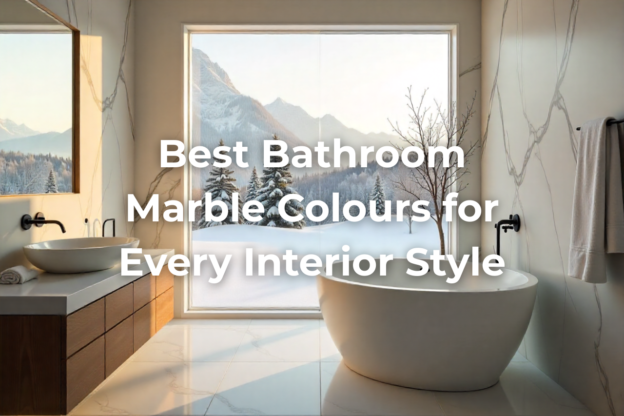
When it comes to designing a timeless and elegant bathroom, few materials can rival the beauty and luxury of bathroom marble. This natural stone has been a favourite in interior design for centuries, not only for its durability but also for the sophisticated touch it adds to any space.

One of the biggest advantages of marble is the wide variety of colours and patterns it offers. From soft whites to dramatic blacks, there is a marble option to suit every interior style, whether you prefer modern minimalism or classic luxury. In this article, we’ll explore the best bathroom marble colours to match any interior, along with design tips, pros and cons, and maintenance advice.

Why Choose Marble for Your Bathroom?

Before diving into colour choices, it’s worth understanding why marble remains one of the most popular bathroom materials:

  • Timeless elegance – Marble has a natural beauty that never goes out of style.

  • Variety of colours and patterns – No two marble slabs are alike, giving you a truly unique finish.

  • Luxury appeal – Instantly elevates the look and feel of your bathroom.

  • Durability – With proper care, marble can last for decades.

  • Versatility – Works well on floors, walls, countertops, and even shower areas.

Best Bathroom Marble Colours

1. Classic White Marble

White marble is perhaps the most iconic choice for bathrooms. It creates a bright, airy, and clean look, making small bathrooms appear larger. Popular varieties include:

  • Carrara White Marble – Subtle grey veining on a soft white background, ideal for minimalist and contemporary bathrooms.

  • Calacatta Marble – Luxurious with bold, dramatic veining, perfect for statement bathrooms.

  • Statuario Marble – Known for its pure white tone with striking patterns, often seen in luxury interiors.

Best for: Modern, Scandinavian, or minimalist interiors.

2. Elegant Grey Marble

Grey marble adds sophistication without being too bold. It pairs beautifully with both dark and light bathroom fixtures.

  • Pietra Grey Marble – Deep grey with fine white veins, offering a sleek and modern finish.

  • Silver Grey Marble – Softer tones with cloudy veining, great for spa-inspired bathrooms.

Best for: Industrial, modern, or neutral-themed interiors.

3. Dramatic Black Marble

For those who want a bold statement, black marble is a striking option. It exudes luxury and works well in larger bathrooms.

  • Nero Marquina Marble – Rich black with crisp white veining, dramatic and sophisticated.

  • Portoro Marble – Black with golden streaks, adding a touch of glamour.

Best for: Luxury, contemporary, and masculine-style interiors.

4. Warm Beige Marble

Beige tones create a welcoming, warm, and natural vibe in the bathroom.

  • Crema Marfil Marble – A popular choice with soft beige hues and subtle veins, ideal for creating a cosy look.

  • Botticino Marble – Neutral tones with delicate veining, versatile for any design style.

Best for: Traditional, Mediterranean, or rustic interiors.

5. Luxurious Green Marble

Green marble is unique and brings a refreshing, nature-inspired feel to the bathroom.

  • Verde Alpi Marble – Deep green with white veining, perfect for a luxurious spa-like retreat.

  • Rainforest Green Marble – Earthy tones with dramatic patterns that resemble natural landscapes.

Best for: Eco-inspired, exotic, or bold design lovers.

6. Rich Brown Marble

Brown marble brings warmth and sophistication, making the bathroom feel rich and inviting.

  • Emperador Dark Marble – Dark brown with light veins, elegant and classy.

  • Rainforest Brown Marble – Exotic textures with earthy tones, ideal for nature-inspired designs.

Best for: Traditional, rustic, or vintage interiors.

7. Unique Blue Marble

Blue marble is less common but highly luxurious. It creates a calming, ocean-inspired effect.

  • Azul Macaubas Marble – Striking blue tones with white streaks, often used as a feature wall.

  • Sodalite Blue Marble – Rich navy tones with bold veining, adding a modern twist.

Best for: Coastal, nautical, or modern luxury bathrooms.

Tips for Choosing the Right Bathroom Marble Colour

  1. Match with your fixtures – Choose marble shades that complement your taps, sinks, and shower hardware.

  2. Consider bathroom size – Light marbles like white and beige make small bathrooms appear larger, while dark marbles add drama to spacious bathrooms.

  3. Think about lighting – Natural and artificial lighting can change how marble looks. Test samples under your bathroom lighting before finalising.

  4. Blend with overall home design – Ensure your bathroom marble colour ties in with the rest of your home’s style.

  5. Focus on practicality – Lighter marbles show stains more easily, while darker marbles may require more polishing to maintain shine.

Caring for Bathroom Marble

While marble is durable, it requires proper care to maintain its beauty:

  • Seal marble surfaces to prevent water and stain absorption.

  • Clean regularly with a pH-neutral cleaner.

  • Avoid harsh chemicals like bleach or acidic cleaners.

  • Wipe spills immediately, especially from cosmetics or toiletries.

  • Schedule professional polishing every few years for a fresh look.

FAQs About Bathroom Marble Colours

1. What is the most popular bathroom marble colour?
White marble, especially Carrara and Calacatta, remains the most popular choice because it suits almost every interior style.

2. Is marble suitable for small bathrooms?
Yes, lighter colours such as white or beige marble are perfect for small bathrooms as they make the space feel larger and brighter.

3. Does black marble make a bathroom look smaller?
Black marble can make a small bathroom feel more compact, but in larger bathrooms, it creates a luxurious and dramatic effect.

4. Which bathroom marble colour is easiest to maintain?
Grey and beige marbles tend to be more forgiving when it comes to watermarks and stains compared to pure white or black.

5. Can I mix marble colours in the bathroom?
Absolutely! Combining two contrasting marbles, like white and black, can create a striking and modern design.

6. Is marble worth the investment for bathrooms?
Yes. While it requires maintenance, marble adds significant value, elegance, and timeless beauty to your home.

Final Thoughts

Choosing the right bathroom marble colour is essential to achieving your desired interior style. From the clean elegance of white marble to the dramatic flair of black or the refreshing tones of green, marble offers endless possibilities.

Whether you want a minimalist retreat, a spa-inspired sanctuary, or a bold luxury statement, there’s a bathroom marble colour to perfectly match your interior. With the right care, your marble bathroom will remain stunning for years to come.

Affordable Black Marble Countertops That Look Luxurious Select

Black marble countertops

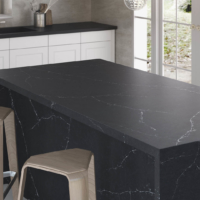
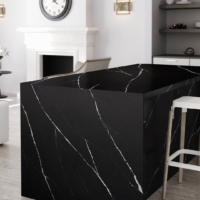
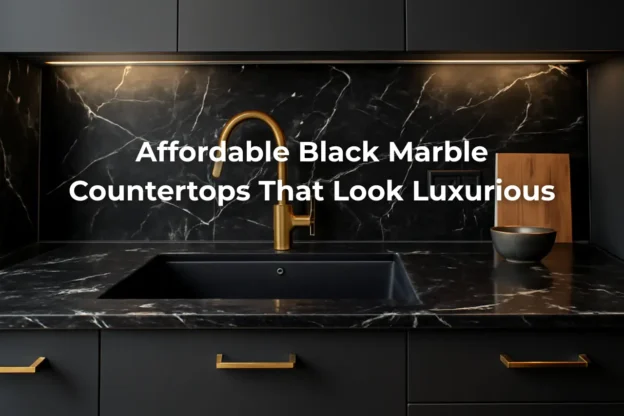
When it comes to designing a kitchen or bathroom, countertops play a huge role in defining the overall style and functionality of the space. Among the many choices available, black marble countertops stand out for their sleek appearance, timeless appeal, and association with luxury. But many homeowners assume that black marble is out of reach due to its high cost.

The good news? You don’t need a massive budget to enjoy the sophistication of marble. With the right approach, you can find affordable black marble countertops that look just as luxurious as their premium counterparts. In this article, we’ll explore cost-effective options, design tips, maintenance tricks, and expert advice to help you transform your home without overspending.

Why Choose Black Marble Countertops?

Before diving into affordability, let’s look at why black marble has become one of the most desirable countertop materials:

  • Elegant Aesthetic – The deep black background with subtle veining creates a sophisticated, high-end look.

  • Timeless Appeal – Black marble has been used for centuries in architecture and interior design.

  • Versatility – Pairs beautifully with both modern minimalist and classic traditional interiors.

  • Luxurious Feel – Instantly elevates the perception of your home’s value.

From kitchens to bathrooms, black marble adds an air of drama and refinement that few other materials can match.

The Price Factor: Is Black Marble Always Expensive?

Marble is considered a luxury stone, but not all black marble is priced the same. Several factors affect the cost:

  • Type of Marble – Nero Marquina, Black Marquina, and Black Portoro vary in price.

  • Thickness of the Slab – Thinner slabs are cheaper but still provide the same visual effect.

  • Finish – Polished marble costs more than honed finishes.

  • Origin & Rarity – Imported marbles are pricier due to shipping and availability.

Fortunately, there are ways to enjoy the beauty of black marble without the premium price tag.

Affordable Options for Black Marble Countertops

If you love the look of black marble but don’t want to overspend, here are some budget-friendly solutions:

1. Engineered Marble (Cultured Marble)

Engineered marble is created by combining marble dust with resins. It mimics the luxurious look of real black marble but comes at a much lower price. It’s also easier to maintain and less porous.

2. Marble-Look Quartz

If you’re open to alternatives, quartz countertops with a black marble look are a great option. They’re more durable, stain-resistant, and often cheaper. Brands like Caesarstone and Silestone offer realistic designs.

3. Thin Marble Slabs

Instead of thick slabs, choose thinner cuts of marble. These still provide the elegant finish but at a fraction of the cost.

4. Marble Tiles Instead of Slabs

For smaller areas like bathroom vanities or backsplashes, using black marble tiles instead of large slabs can save a significant amount of money.

5. Remnants and Off-Cuts

Local stone suppliers often sell leftover pieces (remnants) at discounted rates. Perfect for smaller projects or partial installations.

Design Ideas for Luxurious Black Marble Countertops

Even on a budget, you can achieve a high-end look by pairing black marble with the right design elements.

  • Gold or Brass Fixtures – Creates a luxurious contrast against the black marble.

  • Matte Black Cabinets – For a seamless, modern monochrome look.

  • White Cabinets – Offers a striking black-and-white contrast that never goes out of style.

  • Wood Accents – Warm wooden tones soften the boldness of black marble.

  • Under-Cabinet Lighting – Enhances the depth and veining of the marble.

These pairings allow you to stretch the luxury appeal of affordable materials.

Maintenance Tips to Keep Black Marble Looking Expensive

While black marble looks stunning, it’s more delicate than granite or quartz. Here’s how to maintain its luxurious look:

  1. Seal the Surface – Always seal your marble to prevent staining.

  2. Clean Gently – Use mild, pH-neutral cleaners. Avoid harsh chemicals.

  3. Wipe Spills Quickly – Acidic substances like lemon juice or wine can etch the surface.

  4. Use Cutting Boards & Trivets – Protect against scratches and heat damage.

  5. Polish Occasionally – Restores the glossy finish and removes minor scratches.

By maintaining your countertops well, even budget-friendly black marble can look like a premium investment.

Cost Breakdown: How Much Do Affordable Black Marble Countertops Cost?

While high-end black marble can cost anywhere from $100 to $300 per square foot, affordable options usually range between:

  • Engineered marble: $40 – $70 per sq. ft.

  • Marble-look quartz: $50 – $90 per sq. ft.

  • Standard black marble slabs (budget options): $60 – $100 per sq. ft.

  • Marble remnants/off-cuts: $30 – $50 per sq. ft.

With smart sourcing and the right finish, you can keep costs under control while still achieving a luxurious upgrade.

FAQ About Affordable Black Marble Countertops

Q1: Are black marble countertops durable?
Yes, black marble is durable, but it’s softer than granite or quartz. With proper sealing and care, it can last decades.

Q2: How do I prevent stains on black marble countertops?
Sealing regularly and wiping spills immediately will prevent staining. Avoid acidic foods directly on the surface.

Q3: What’s the cheapest alternative to real black marble?
Engineered marble or marble-look quartz are the most affordable and low-maintenance alternatives.

Q4: Do black marble countertops make a kitchen look smaller?
Not necessarily. While dark colors can shrink spaces visually, pairing black marble with light cabinets and good lighting creates balance.

Q5: Can I install black marble countertops myself?
It’s possible for small projects, but professional installation is recommended to avoid cracks, uneven edges, or improper sealing.

Final Thoughts

Black marble countertops are no longer reserved only for luxury homes. With affordable options like engineered marble, quartz lookalikes, thin slabs, and remnants, you can achieve the same upscale appearance without the high price tag.