




























How to Maintain Marble Flooring UK | Essential Tips for Longevity Select

marble flooring uk

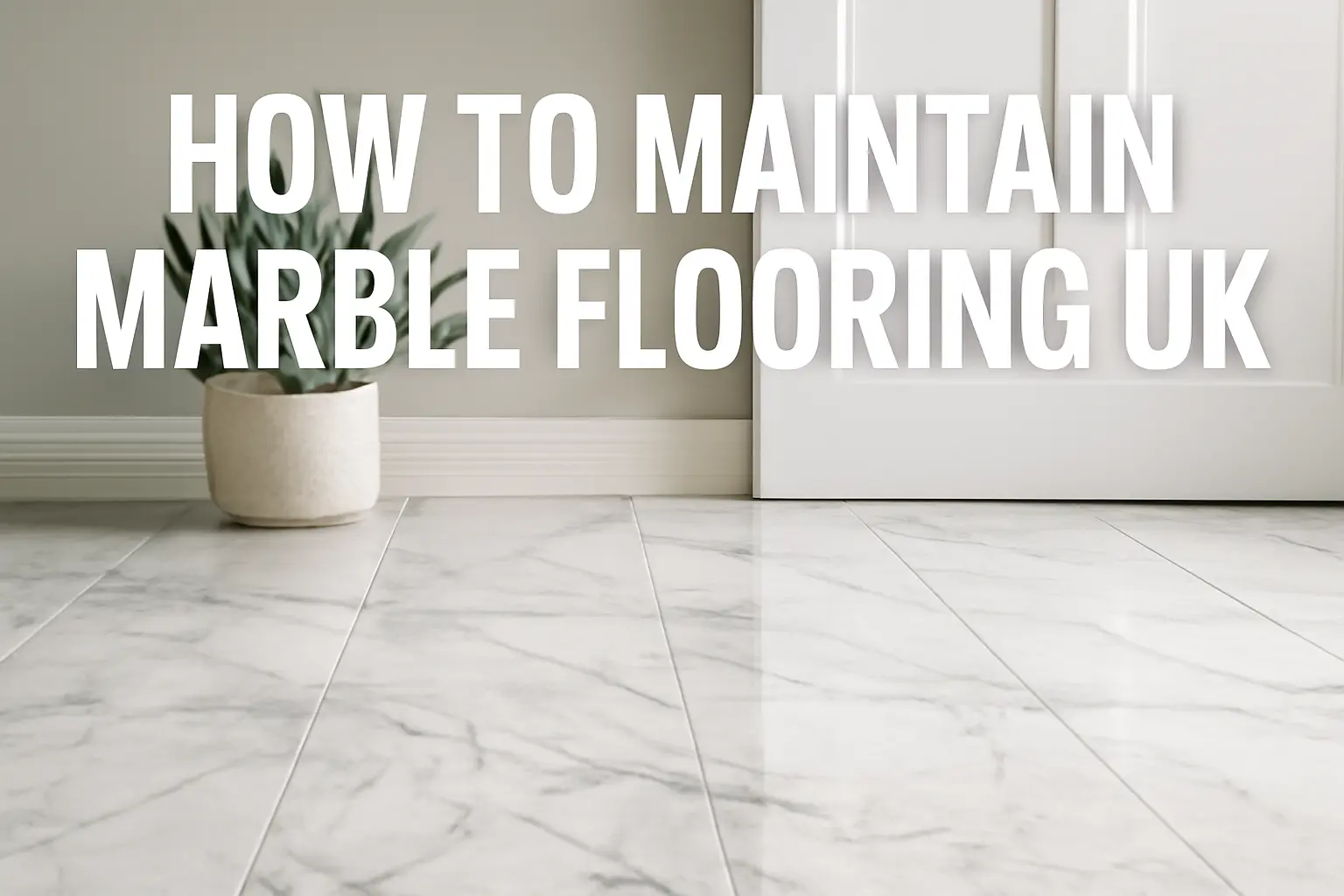
Marble flooring UK is a luxurious and timeless choice for homeowners across the UK. Known for its elegance, durability, and unique veining, marble can elevate the aesthetic of any space. However, to ensure its longevity and keep it looking pristine for years, proper care and maintenance are essential. 

1. Understanding Marble Flooring: Why It Needs Special Care

Marble is a natural stone made from crystallized limestone, often found in a range of shades, including white, cream, beige, grey, and even vibrant colours like green and red. While it’s renowned for its beauty and resilience, marble is more porous than other flooring materials, meaning it can absorb liquids and stains more easily. Additionally, its surface can become scratched, discoloured, or dull without proper maintenance.

The British climate, particularly its humidity levels and occasional damp conditions, can also affect the performance of marble flooring, especially in kitchens, bathrooms, or hallways where moisture levels fluctuate.

2. Essential Marble Flooring Maintenance Tips

To maintain marble flooring UK, a few key steps are necessary to preserve its beauty and functionality. Below are some expert tips for keeping your marble floors in pristine condition.

2.1 Regular Cleaning and Sweeping

The first step in maintaining marble floors is to keep them free from dust, dirt, and debris. Over time, small particles can scratch the surface of the stone, leading to wear and tear. Sweeping your marble flooring regularly using a soft-bristle broom or a microfiber dust mop can remove dirt and prevent abrasion.

2.2 Use a pH-Balanced Cleaner

Avoid harsh chemical cleaners that can damage the surface of the marble. Instead, use a pH-balanced cleaner specifically designed for marble or stone floors. A gentle solution of mild dish soap mixed with warm water can also suffice for routine cleaning.

When mopping, always use a damp mop, not a soaking wet one, as excessive moisture can seep into the stone and cause long-term damage. Ensure that your mop is well-wrung to avoid water pooling on the floor.

2.3 Deal with Spills Immediately

One of the main threats to marble flooring is spills, especially acidic substances like wine, vinegar, or citrus juice. These liquids can cause staining or even etching, where the surface becomes dull and damaged.

If a spill occurs, blot it immediately with a clean, dry cloth. Do not rub the spill, as this can spread it and cause further damage. Once the liquid is blotted up, clean the area with a damp mop and mild detergent.

2.4 Polishing and Buffing

Over time, marble flooring can lose its shine and lustre. To restore its glossy finish, use a marble-specific polish or a polishing powder. When buffing, use a soft cloth or a high-speed floor buffer designed for stone floors. Polishing should be done sparingly—only a few times a year—so as not to build up an excess of product.

Remember that marble floors can develop a patina (a soft sheen created from natural wear). For a more rustic look, some homeowners may prefer to let the floor develop this patina over time rather than polishing it back to its original shine.

3. Preventing Damage to Marble Flooring

Preventing damage is just as important as cleaning. Here are some tips to protect your marble flooring from common risks:

3.1 Use Mats and Rugs

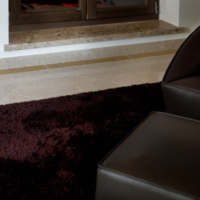
Placing mats or rugs in high-traffic areas, such as entryways, kitchen entrances, and hallways, can help protect your marble floors from dirt, grit, and moisture. Choose mats with a non-slip backing to avoid any potential accidents.

3.2 Protect Against Scratches

Marble is a delicate surface that can scratch easily. To prevent scratches, ensure that heavy furniture, such as tables and chairs, has felt pads attached to the bottom. Additionally, avoid dragging furniture or sharp objects across the floor. When moving furniture, always lift it rather than sliding it.

3.3 Avoid Acidic Products

As mentioned earlier, acidic substances can damage marble flooring, so avoid products like vinegar, lemon juice, or bleach. If you need to clean stains, opt for a gentle solution that’s safe for marble surfaces.

3.4 Humidity Control

In the UK, the climate can often lead to high humidity levels, which can negatively affect marble flooring. Excess moisture can lead to discoloration or mildew, especially in bathrooms or kitchens.

Using a dehumidifier can help control moisture in the air. In areas with high humidity, consider installing a vent fan to reduce moisture levels and keep your marble floor dry.

4. Dealing with Stains and Discolouration

Despite your best efforts, stains and discolouration can still occur over time. Here’s how to address some of the most common issues:

4.1 Oil and Grease Stains

Oil and grease stains are particularly common in kitchens. To remove them, apply a paste made of baking soda and water to the stain and let it sit for a few hours. Once the paste has dried, gently scrub with a soft brush or cloth before wiping away the residue.

4.2 Etching and Scratches

Etching occurs when an acidic substance reacts with the marble surface, leaving behind dull spots. If you notice etched areas, they may need to be professionally restored. Professional marble restoration services use special compounds and techniques to remove etching and scratches from the surface.

4.3 Hard Water Stains

Hard water can leave behind mineral deposits, especially in bathrooms. To clean these stains, use a mixture of water and a few drops of mild dish detergent, or purchase a marble-specific cleaner designed to remove water stains.

5. Professional Marble Maintenance and Restoration

While regular care and cleaning can go a long way in preserving your marble flooring, sometimes professional restoration may be necessary. Professionals can address issues like deep scratches, severe stains, and etching that may be beyond the scope of DIY cleaning.

Additionally, stone flooring restoration services can perform a deep polish or reseal the floor, which helps protect the surface from future damage.

6. Frequently Asked Questions (FAQ)

Q1: How often should I clean my marble flooring?

Ideally, you should clean your marble floors at least once a week to remove dirt and debris. However, high-traffic areas may require more frequent cleaning.

Q2: Can I use a steam mop on marble flooring?

No, steam mops can damage marble flooring by allowing moisture to seep into the stone. Instead, use a damp mop with a mild cleaner.

Q3: How do I prevent my marble flooring from yellowing?

Yellowing can be caused by exposure to acidic substances, sunlight, or moisture. To prevent this, clean up spills immediately, avoid placing rugs or mats that can trap moisture, and consider using UV-protective window films to reduce sunlight exposure.

Q4: Should I seal my marble flooring?

Yes, sealing your marble flooring helps protect it from stains and moisture. Depending on the type of marble, sealing should be done every 1-3 years.

Q5: Can I remove deep stains from marble flooring myself?

Deep stains, particularly those caused by etching, may require professional restoration. For surface stains, a DIY solution like baking soda paste may work effectively.

7. Conclusion

Marble flooring is an elegant addition to any home, but it requires ongoing care to maintain its beauty and durability. By following the essential maintenance tips outlined in this guide, you can ensure your marble floors stay in pristine condition for years to come. Regular cleaning, protecting against scratches, and addressing spills immediately are the foundation of a long-lasting marble floor. For more serious issues, don’t hesitate to consult a professional for restoration services.

Bathroom Marble Ideas | Luxury Designs on a Budget Select

bathroom marble

When it comes to bathroom renovations, marble is often synonymous with luxury. Its timeless elegance, natural patterns, and polished finish can instantly elevate any space. But many homeowners shy away from marble because of its perceived high cost. The good news is, you don’t need a millionaire’s budget to enjoy the beauty of bathroom marble. With smart choices, creative design ideas, and budget-friendly alternatives, you can achieve a luxurious marble look without breaking the bank.

Why Choose Marble for Your Bathroom?

Marble offers more than just visual appeal. Here’s why it’s a top choice for homeowners:

  1. Timeless Elegance – Marble’s natural veining and unique patterns create a sophisticated, classic look.

  2. Versatility – Available in various colors and finishes, marble can complement both modern and traditional bathroom styles.

  3. Durability – With proper care, marble can last decades, making it a long-term investment.

  4. Increased Home Value – Marble bathrooms often add resale value due to their luxurious appeal.

Even if you have a limited budget, there are creative ways to enjoy marble’s charm without overspending.

Budget-Friendly Bathroom Marble Ideas

Here are some smart strategies to incorporate marble into your bathroom on a budget:

1. Use Marble-Effect Tiles Instead of Solid Slabs

Real marble slabs can be expensive, but marble-effect tiles are an affordable alternative. Modern porcelain and ceramic tiles replicate the look of natural marble with minimal cost. They are also more durable and resistant to staining.

2. Accent Walls and Backsplashes

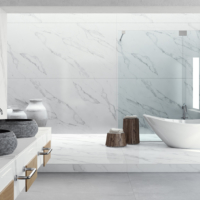
You don’t need to cover the entire bathroom in marble. Creating an accent wall or a backsplash behind the sink or bathtub adds elegance without the high expense. A few carefully chosen marble tiles can make a big visual impact.

3. Marble Countertops on a Budget

Opt for smaller marble pieces or prefabricated marble countertops. These options are less costly and easier to install. Pairing them with neutral cabinetry can enhance the luxurious feel.

4. Incorporate Marble Accessories

If installing marble is still too pricey, consider marble accessories like soap dishes, trays, or even small tiles on shelves. These touches bring the marble aesthetic at a fraction of the cost.

5. Mix and Match with Other Materials

Combine marble with less expensive materials like subway tiles, wood, or laminate. For instance, a marble countertop paired with painted cabinets or a tiled floor can create a high-end look without the high-end price tag.

Choosing the Right Marble for Your Budget

Marble comes in many types, each with different price points. Here’s a quick guide:

  • Carrara Marble – Classic white with gray veins; widely available and more affordable.

  • Calacatta Marble – White with bold, dramatic veining; pricier but offers a high-end look.

  • Emperador Marble – Brown shades; often used for countertops or flooring.

  • Statuario Marble – White with gray veins; luxurious and often used for statement pieces.

For budget renovations, Carrara or marble-effect alternatives are ideal. They provide elegance without a premium price tag.

Practical Tips for Installing Marble on a Budget

  1. Hire a Skilled Installer – Proper installation prevents cracks, uneven surfaces, and costly repairs.

  2. Opt for Prefabricated Options – Prefabricated marble countertops or panels reduce labor costs.

  3. Use Tiles Strategically – Cover high-traffic or focal areas with real marble, and use marble-look tiles elsewhere.

  4. Buy Remnants or Offcuts – Many suppliers sell leftover marble pieces at discounted rates. These can be perfect for small bathrooms or accent areas.

Maintenance Tips for Bathroom Marble

Even budget-friendly marble options require care to maintain their beauty:

  • Seal Regularly – Marble is porous, so sealing helps prevent stains and water damage.

  • Avoid Harsh Cleaners – Use pH-neutral cleaners instead of acidic or abrasive products.

  • Wipe Spills Immediately – Prevents staining from cosmetics, soaps, or hard water.

  • Polish Occasionally – A gentle polish keeps marble surfaces shiny and fresh-looking.

With proper care, your bathroom marble can retain its luxurious appeal for years.

Creative Design Ideas for a Luxurious Look

Here are some stylish ways to make your marble bathroom feel like a high-end retreat:

1. Monochromatic Marble Scheme

Use white or gray marble tiles throughout the bathroom. Pair with matching towels, mats, and accessories to create a seamless, elegant look.

2. Contrasting Marble with Dark Accents

Combine light marble with black fixtures or cabinetry for a dramatic, sophisticated aesthetic. This contrast emphasizes the marble’s natural patterns.

3. Marble and Wood Combo

Add warmth by pairing marble with wooden shelves or cabinetry. This mix balances elegance with a cozy, inviting feel.

4. Statement Marble Shower

Cover your shower wall with bold marble tiles. Even if the rest of the bathroom uses budget-friendly materials, the shower becomes a focal point of luxury.

5. Marble Flooring with Minimalist Decor

Large-format marble tiles on the floor paired with minimalistic fixtures create a spa-like atmosphere. Keep accessories simple to highlight the marble’s natural beauty.

FAQ About Bathroom Marble

Q1: Is marble suitable for bathrooms?
Yes. Marble is durable and water-resistant when properly sealed, making it ideal for bathrooms. However, it requires regular maintenance to avoid staining.

Q2: How can I achieve a marble look on a budget?
Use marble-effect tiles, small accent areas, prefabricated countertops, or marble accessories to mimic the luxurious look without high costs.

Q3: What is the cheapest marble option?
Carrara marble is generally the most affordable natural marble. For even lower costs, marble-effect porcelain or ceramic tiles are excellent alternatives.

Q4: How do I maintain bathroom marble?
Seal marble surfaces regularly, clean with pH-neutral products, wipe spills immediately, and polish occasionally to retain shine.

Q5: Can I install marble myself?
While small projects like tiles may be DIY-friendly, larger installations such as countertops or floors are best handled by professionals to avoid damage.

Conclusion

You don’t need a fortune to bring marble elegance into your bathroom. By strategically using tiles, accent walls, accessories, and budget-friendly marble options, you can create a luxurious, high-end look without overspending. Pair these ideas with proper maintenance, and your bathroom will exude timeless beauty for years to come.

How to Keep Black Marble Countertops Shiny and Scratch-Free Select

Black marble countertops

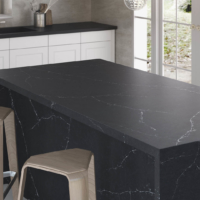
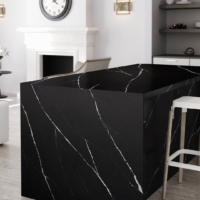
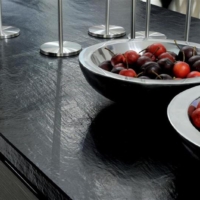
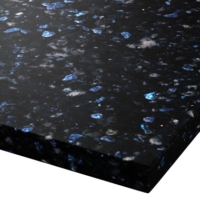
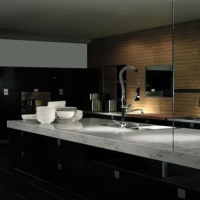
Black marble countertops are a statement of elegance, luxury, and sophistication. Their bold appearance adds depth and richness to any kitchen or bathroom design, making them one of the most desired choices among homeowners, architects, and interior designers. However, while black marble countertops are stunning, they do require careful maintenance to preserve their natural shine and prevent scratches over time.

Why Black Marble Countertops Need Special Care

Marble is a natural stone formed from limestone that has undergone heat and pressure, resulting in its unique veining and luxurious look. Unlike engineered quartz or granite, marble is softer and more porous, which makes it more vulnerable to:

  • Scratches from sharp utensils, knives, or abrasive materials.

  • Etching caused by acidic substances like lemon juice, vinegar, or wine.

  • Stains from oils, coffee, or colored liquids.

  • Dullness due to buildup of grime or improper cleaning products.

While black marble hides some imperfections better than lighter marbles, scratches and etching can become highly visible on its dark, glossy surface. This is why proper cleaning, sealing, and maintenance are essential.

Daily Cleaning Tips for Shiny Black Marble Countertops

  1. Use a soft cloth or microfiber towel
    Avoid harsh sponges or scouring pads, as they can leave micro-scratches on the surface. A soft microfiber cloth is ideal for daily wiping.

  2. Clean spills immediately
    Acidic liquids like orange juice, wine, and vinegar can etch marble quickly. Always wipe spills as soon as they happen with a damp cloth.

  3. Mild soap and warm water
    Use a gentle, pH-neutral dish soap mixed with warm water for daily cleaning. Avoid bleach, ammonia, or acidic cleaners.

  4. Dry after cleaning
    Marble is porous and can absorb water if left damp. Always use a dry microfiber towel to buff the surface after cleaning.

Weekly and Monthly Maintenance

1. Deep Cleaning

Once a week, use a specially formulated marble cleaner that is pH-balanced. This will help lift dirt and grime while preserving the natural shine.

2. Sealing the Marble

Black marble countertops should be sealed every 6–12 months, depending on usage. Sealing creates a protective barrier against stains and scratches. You can test whether sealing is needed by sprinkling a few drops of water on the surface — if the water absorbs quickly instead of beading, it’s time to reseal.

3. Polishing

Polishing compounds designed for marble can be used occasionally to restore shine. Avoid over-polishing, as this can create buildup.

How to Prevent Scratches on Black Marble Countertops

  1. Always use cutting boards
    Never cut directly on marble. Knives not only scratch the surface but also dull faster when used on stone.

  2. Use trivets and coasters
    Hot pots, pans, and coffee mugs can damage marble’s finish. Trivets, mats, and coasters act as protective barriers.

  3. Avoid dragging objects
    Heavy cookware, appliances, or decorative items should never be dragged across the surface. Always lift them to prevent scratches.

  4. Protect high-use areas
    Consider using decorative runners or mats in frequently used spots, such as next to the sink or cooktop.

Restoring Shine to Black Marble Countertops

Even with the best care, black marble may lose its luster over time. Here’s how to restore its glossy finish:

  1. Clean thoroughly with a marble-safe cleaner.

  2. Use a marble polishing powder to buff out etching or light scratches.

  3. Apply a marble polish to enhance the shine.

  4. Hire a professional refinisher if scratches are deep or the surface has lost significant gloss.

Professional restoration involves honing (sanding down scratches) and polishing (buffing to a shine), which can make even old countertops look brand new.

Common Mistakes to Avoid

  • Using vinegar, lemon, or bleach for cleaning. These acids can etch marble and leave dull spots.

  • Leaving spills overnight. Even water can cause discoloration if left for too long.

  • Skipping sealing. Unsealed marble absorbs stains faster and is more prone to scratches.

  • Using generic countertop cleaners. Many all-purpose cleaners are too harsh for marble.

Long-Term Benefits of Proper Care

By keeping your black marble countertops shiny and scratch-free, you’re not only protecting their beauty but also extending their lifespan. Well-maintained marble can last decades, add value to your home, and remain a timeless centerpiece in your kitchen or bathroom.

Frequently Asked Questions (FAQ)

1. How often should I seal my black marble countertops?
Sealing every 6–12 months is recommended, depending on how often you use the countertops. High-traffic kitchens may require sealing twice a year.

2. Can I use baking soda to clean black marble?
Baking soda is mildly abrasive and can scratch marble. It should be avoided unless used in a very diluted paste for specific stain removal, and even then, with caution.

3. What is the best cleaner for black marble countertops?
A pH-neutral cleaner specifically formulated for marble is best. Avoid acidic or alkaline cleaners.

4. How do I remove scratches from black marble?
For light scratches, polishing powders and marble polish may help. For deeper scratches, professional honing and polishing are required.

5. Will black marble always stay shiny?
With proper cleaning, sealing, and occasional polishing, black marble can retain its shine for decades. However, some dullness may occur naturally over time, which can be restored with professional refinishing.

6. Is black marble harder to maintain than other countertop materials?
Yes, marble requires more care than quartz or granite. However, its elegance and timeless beauty make it a popular choice for homeowners willing to invest in maintenance.

Final Thoughts

Black marble countertops are one of the most luxurious additions you can make to your home. While they do require consistent maintenance, the results are well worth the effort. By following daily cleaning routines, protecting against scratches, and resealing regularly, you can keep your black marble countertops shiny and scratch-free for years to come.