





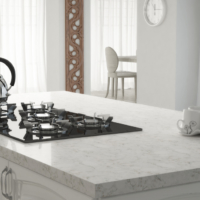

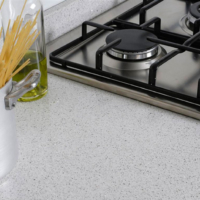















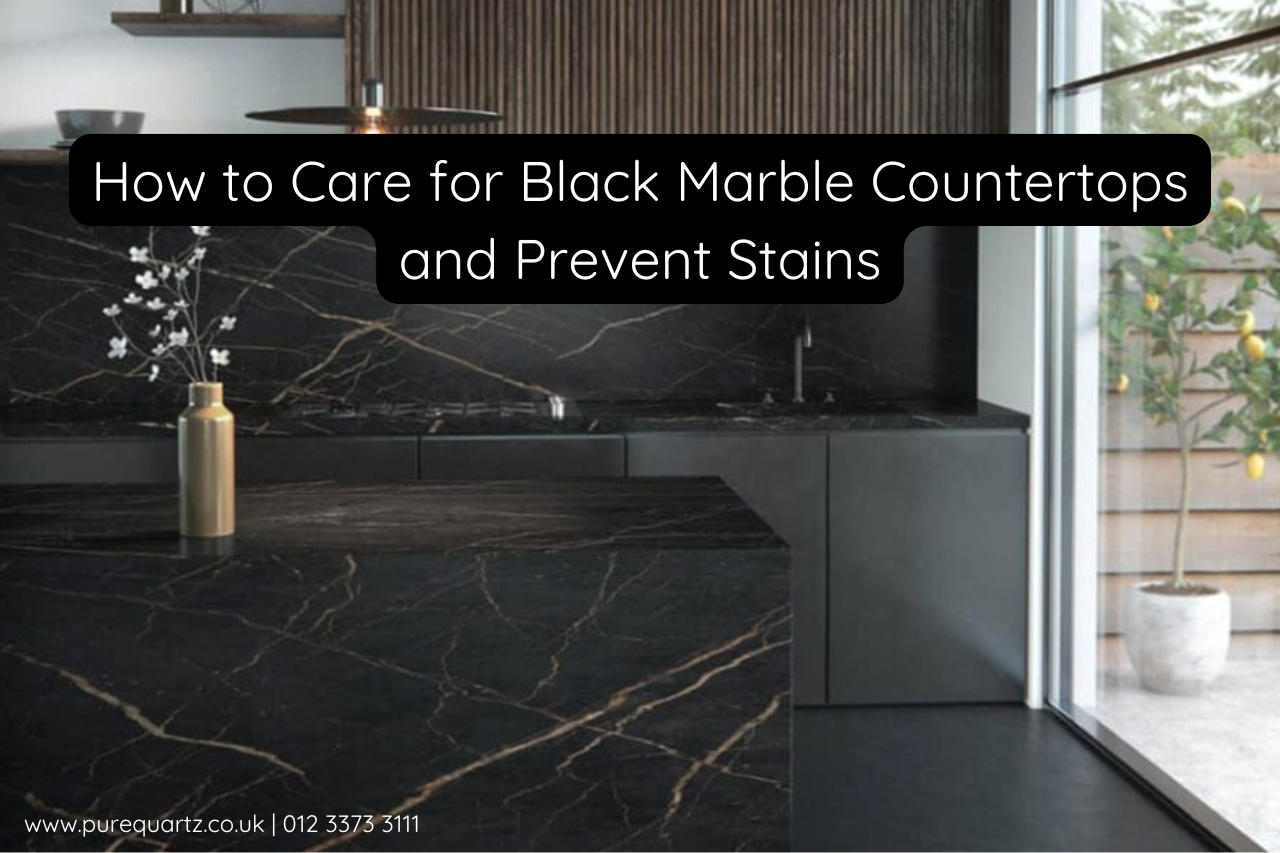
How to Care for Black Marble Countertops and Prevent Stains Select

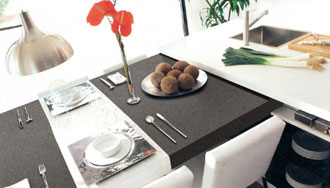
Black marble countertops

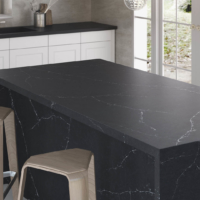
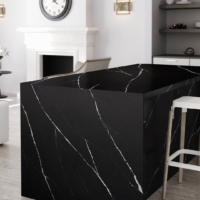
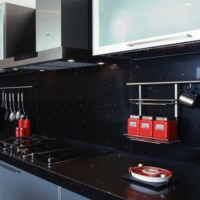
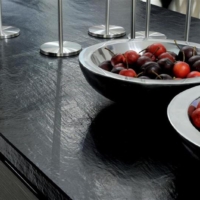
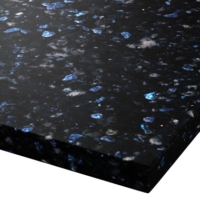
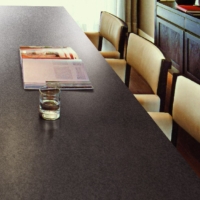
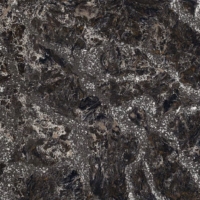
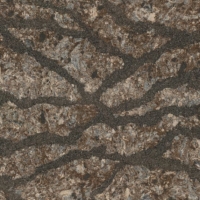
Black marble countertops bring a sense of luxury and sophistication to any kitchen or bathroom. Their bold, dramatic appearance makes them a popular choice for homeowners looking to create a striking design. However, like all natural stones, black marble requires proper care to maintain its beauty and prevent stains, scratches, and etching.

In this comprehensive guide, we’ll cover everything you need to know about maintaining your black marble countertops, including cleaning techniques, stain prevention, and long-term care tips.

Understanding Black Marble’s Unique Properties

Before diving into the maintenance routine, it’s important to understand what makes black marble different from other stone surfaces:

  • Porous Nature: Like all marbles, black marble is porous, which can absorb liquids and stain if not properly sealed.
  • Acid Sensitivity: Black marble is highly sensitive to acidic substances, which can cause etching (dull spots or marks).
  • Scratch Susceptibility: It is softer than granite or quartz, making it prone to scratches if not handled carefully.
  • Shows Smudges & Dust: Unlike lighter marble, black marble shows fingerprints, dust, and smudges more prominently, requiring regular cleaning.

With these properties in mind, let’s explore the best ways to care for black marble countertops.

Daily Cleaning Routine

A simple yet consistent cleaning routine will help maintain the shine and durability of your black marble countertops.

1. Use a Soft, Damp Cloth for Daily Wiping

To prevent dust and smudges from accumulating, wipe your countertops daily with a damp microfiber cloth.

  • Steps:
    1. Use a clean, soft microfiber cloth with warm water.
    2. Wipe down the surface in circular motions.
    3. Dry with another clean cloth to prevent water spots.

2. Use pH-Neutral Cleaners for Regular Cleaning

Since acidic and abrasive cleaners can damage marble, always use a pH-neutral stone cleaner or mild dish soap.

  • How to Clean:
    1. Mix a few drops of mild dish soap with warm water.
    2. Dampen a microfiber cloth and gently wipe the surface.
    3. Rinse with clean water and dry with a soft towel.

Avoid using vinegar, lemon juice, bleach, or ammonia-based cleaners, as these can dull the marble’s finish and cause etching.

Preventing Stains and Etching

Since black marble is porous and susceptible to staining, preventive measures are essential.

3. Seal Your Marble Countertops Regularly

Sealing your black marble countertops provides a protective layer against stains and moisture.

  • How Often to Seal:
    • Every 6 to 12 months, depending on usage.
    • Test if sealing is needed by placing a few drops of water on the surface. If it absorbs quickly, it’s time to reseal.
  • How to Apply a Sealer:
    1. Clean the countertop thoroughly and let it dry.
    2. Apply a high-quality marble sealer with a soft cloth.
    3. Let it absorb for 10-15 minutes.
    4. Wipe off excess sealer and buff for a polished finish.

4. Use Coasters, Trivets, and Mats

Prevent direct contact with liquids and heat by using:

  • Coasters under glasses, especially with coffee, wine, and citrus drinks.
  • Trivets or heat-resistant mats under hot pots, pans, and dishes.
  • Placemats to protect against food spills and oil stains.

5. Clean Up Spills Immediately

Black marble can quickly absorb liquids, leading to permanent stains if spills are left unattended.

  • How to Handle Spills:
    • Blot, don’t wipe! Use a paper towel to soak up the spill without spreading it.
    • Clean the area with warm water and a mild soap.
    • Dry thoroughly to prevent moisture damage.

Removing Stains from Black Marble

If stains do occur, don’t panic! Here are methods for removing common stains from black marble countertops.

6. Removing Water Spots and Hard Water Marks

Hard water can leave behind mineral deposits that dull the surface.

  • Solution:
    • Wipe the area with a mixture of water and baking soda.
    • Rinse and dry thoroughly.
    • Use a marble-safe polish for extra shine.

7. Removing Oil-Based Stains (Cooking Oils, Grease, Butter)

Oil stains can darken the surface and leave a noticeable mark.

  • Solution:
    • Mix baking soda and water into a paste.
    • Apply to the stain and cover with plastic wrap.
    • Let sit overnight, then wipe clean with warm water.

8. Removing Acidic Stains (Wine, Coffee, Juice)

Acidic spills can cause etching, which appears as dull spots.

  • Solution:
    • Use a marble polishing powder designed for etching.
    • Lightly buff the area with a soft cloth.
    • Rinse and dry completely.

Preventing Scratches and Wear

Black marble is softer than granite, making it prone to scratches if not handled carefully.

9. Avoid Dragging Heavy Objects

  • Lift objects instead of sliding them across the countertop.
  • Use felt pads under heavy kitchen appliances to prevent surface damage.

10. Use a Cutting Board

Never cut directly on the marble surface, as knives can leave visible scratches. Always use a cutting board when chopping or slicing food.

Polishing and Long-Term Maintenance

To keep your black marble countertops looking luxurious, occasional polishing and long-term maintenance are necessary.

11. Polish Occasionally for Extra Shine

Black marble can lose its luster over time, but occasional polishing can restore its glossy finish.

  • How to Polish:
    1. Apply a marble-safe polish to the surface.
    2. Buff gently with a microfiber cloth in circular motions.
    3. Wipe away any excess polish for a smooth finish.

12. Schedule Professional Maintenance

If your countertops have deep stains, scratches, or etching that cannot be fixed with DIY methods, consider hiring a professional stone restoration expert for resealing and refinishing.

Final Thoughts

Caring for black marble countertops requires regular maintenance, but with the right approach, you can keep them looking elegant for years to come. By following a daily cleaning routine, sealing regularly, using protective accessories, and addressing stains immediately, you can prevent damage and maintain the luxurious appeal of your black marble surfaces.

With proper care, your black marble countertops will remain a stunning and functional feature in your home, adding timeless beauty to your kitchen or bathroom.

How to Spot High-Quality Cheap Quartz Worktops Select

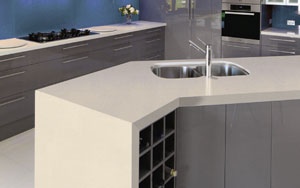
cheap quartz worktops

Quartz worktops have become one of the most popular choices for homeowners due to their durability, stylish appearance, and low maintenance. However, many people believe that high-quality quartz worktops come with a hefty price tag. The good news is that you can find affordable quartz worktops that still offer excellent quality—if you know what to look for.

In this guide, we’ll walk you through the key factors to consider when searching for high-quality cheap quartz worktops, how to avoid low-grade materials, and where to find the best deals.

Why Choose Quartz Worktops?

Before diving into how to find quality quartz at an affordable price, it’s important to understand why quartz worktops are a preferred choice:

Durability – Quartz is a highly durable material, resistant to scratches, stains, and heat.
Low Maintenance – Unlike natural stone, quartz does not require sealing.
Stylish Appeal – Available in various colors, patterns, and finishes, quartz can mimic the look of natural stone.
Hygienic – Quartz is non-porous, making it resistant to bacteria and moisture.

Now that we know why quartz is a great option, let’s explore how to find high-quality quartz worktops at a lower cost.


1. Check the Quartz Composition

The composition of a quartz worktop plays a major role in its quality. High-end quartz worktops are made from 90-95% natural quartz mixed with resins and pigments. Lower-quality quartz may have a higher percentage of resin, reducing its durability.

How to Spot Good Composition:

  • Look for worktops with at least 90% quartz content.

  • Avoid brands that use excessive resins, as they may be more prone to discoloration.

  • Ask for product specifications or check the manufacturer’s website for quartz content details.


2. Look at the Thickness

Quartz worktops come in different thicknesses, typically 12mm, 20mm, and 30mm. The thickness impacts durability and cost.

Which Thickness is Best?

  • 30mm Quartz – The thickest and most durable but often the most expensive.

  • 20mm Quartz – A balance between durability and affordability, ideal for budget-conscious buyers.

  • 12mm Quartz – The cheapest option but may require additional support underneath.

💡 Tip: If you want the look of a thick worktop on a budget, consider edge profiling to make a thinner slab appear thicker.


3. Examine the Finish Quality

High-quality quartz worktops should have a consistent and smooth finish, whether polished, honed, or matte. Cheap or low-grade quartz may have uneven textures, visible air bubbles, or rough edges.

What to Check for in the Finish:

Smooth Surface – Run your hand over the surface; it should feel even and sleek.
Consistent Veining – If you’re choosing a marble-look quartz, check for natural-looking patterns.
No Visible Imperfections – Watch out for small holes, rough patches, or inconsistent color tones.

💡 Tip: Ask for samples before purchasing to inspect the quality up close.


4. Assess Stain and Scratch Resistance

One of the biggest advantages of quartz is its resistance to stains and scratches. However, cheaper quartz worktops might have a weaker protective layer, making them more prone to marks over time.

How to Test Durability:

  • Stain Test: Drop a little coffee, wine, or oil on a sample and wipe it after a few minutes. If it stains, the quality is low.

  • Scratch Test: Try scratching the surface with a knife edge on an inconspicuous area. High-quality quartz should not scratch easily.


5. Ask About the Warranty

A good warranty is a sign of a trusted quartz manufacturer. Most reliable brands offer warranties ranging from 10 years to a lifetime.

What to Look for in a Warranty:

At least 10 years of coverage
Covers defects like discoloration, cracks, or surface damage
Offered by reputable brands with a good track record

💡 Tip: Avoid brands that provide little to no warranty, as this might indicate poor-quality materials.


6. Compare Different Brands

Not all quartz brands are created equal. Some high-end brands are known for superior quality, but there are also budget-friendly quartz brands that offer great performance.

Best Budget-Friendly Quartz Brands:

  • Silestone by Cosentino (affordable but high-quality)

  • Caesarstone (offers some budget-friendly options)

  • Cambria Quartz (higher-end, but sometimes has promotions)

  • DIY Quartz Brands (Local suppliers or lesser-known brands can offer better deals)

💡 Tip: Check reviews and customer feedback to compare different brands before purchasing.


7. Buy from Reputable Suppliers

Where you buy your quartz worktop matters just as much as the material itself. Avoid unknown dealers that offer extremely cheap prices without proof of quality.

Where to Find High-Quality Cheap Quartz Worktops:

✔️ Wholesale Suppliers – Buying directly from wholesalers can save costs.
✔️ Clearance Sales – Look for retailers offering discounts on discontinued slabs.
✔️ Online Retailers – Some online stores offer cheaper quartz, but always request samples first.
✔️ Local Stone Yards – Smaller suppliers often provide better prices than big-name retailers.

💡 Tip: Negotiate the price if you’re buying in bulk or ordering multiple slabs.


8. Consider Prefabricated Quartz Worktops

Prefabricated (pre-cut) quartz worktops are cheaper than custom slabs because they require less cutting and labor.

Pros of Prefabricated Quartz:

Lower cost – No custom cutting needed.
Faster installation – Ready-to-install slabs save time.
Available in standard sizes – Ideal for common kitchen layouts.

💡 Tip: If your kitchen layout is standard, prefabricated quartz is a great way to save money.


10. Consider Installation Costs

Even if you find a cheap quartz worktop, installation costs can add up. Some suppliers include free installation, while others charge separately.

How to Save on Installation:

✔️ Compare installation quotes from multiple suppliers.
✔️ Look for package deals (quartz + installation).
✔️ DIY installation (only if you have experience).

💡 Tip: Some retailers offer seasonal discounts, so try to time your purchase for the best deals.


Final Thoughts: Is Cheap Quartz Worth It?

Absolutely! You don’t have to spend a fortune to get high-quality quartz worktops. By following these tips—checking composition, thickness, finish, and buying from reputable suppliers—you can find affordable quartz worktops that are both stylish and durable.

Just remember: Cheap doesn’t always mean low quality—but you need to be an informed buyer. With the right knowledge, you can enjoy the beauty and benefits of quartz worktops without breaking the bank.

Would you like help finding the best deals near you? Let us know! 🚀

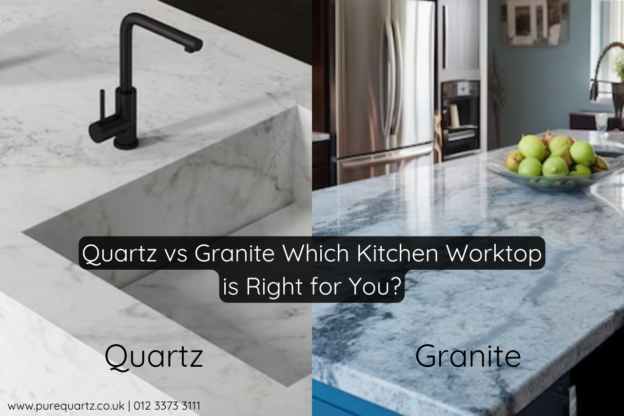
Quartz vs Granite Which Kitchen Worktop is Right for You? Select

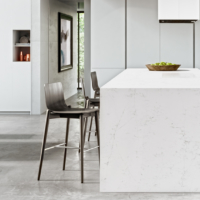
quartz kitchen worktops

When designing or renovating a kitchen, choosing the right worktop is one of the most important decisions. One of the most popular option is quartz kitchen worktops. these materials offer durability, style, and unique benefits, making it difficult to decide which is best for your home. In this guide, we’ll compare quartz and granite across various factors such as appearance, durability, maintenance, cost, and environmental impact to help you make an informed decision.

quartz kitchen worktops

1. Understanding Quartz and Granite Worktops

What is Quartz?

Quartz worktops are engineered stone surfaces made from 90-95% natural quartz mixed with resins, polymers, and pigments. This manufacturing process creates a non-porous, highly durable surface available in a wide range of colors and patterns.

What is Granite?

Granite is a 100% natural stone that is quarried from the earth, cut into slabs, and polished for use as a worktop. Each piece of granite is unique, featuring natural patterns and color variations formed over millions of years.

2. Appearance: Natural Beauty vs. Consistent Elegance

Quartz: Modern & Customizable

  • Available in consistent colors and patterns, making it easier to match different kitchen designs.
  • Can mimic the look of natural stone like marble and granite.
  • Comes in a variety of finishes, from matte to polished.

Granite: Unique & Timeless

  • Each slab has one-of-a-kind patterns and veining, making every kitchen unique.
  • Features earthy tones with deep, rich color variations.
  • Provides a classic, luxurious appeal that adds value to a home.

Winner: If you prefer a uniform appearance, quartz is the better option. If you want a one-of-a-kind natural look, granite is the way to go.

3. Durability & Strength

Quartz Durability

  • Extremely strong and resilient due to its engineered nature.
  • Non-porous, meaning it won’t absorb liquids or stains.
  • Highly resistant to scratches and chips, making it ideal for busy kitchens.

Granite Durability

  • Naturally hard and heat-resistant, but more porous than quartz.
  • Prone to staining if not sealed properly.
  • Can chip or crack if subjected to heavy impact.

Winner: Quartz is the more durable option due to its non-porous nature and resistance to stains and scratches.

4. Maintenance: Easy Cleaning vs. Periodic Sealing

Quartz Maintenance

  • Low maintenance – requires only mild soap and water for cleaning.
  • No need for sealing due to its non-porous surface.
  • Resistant to bacteria growth, making it a hygienic choice.

Granite Maintenance

  • Requires periodic sealing (typically once a year) to maintain its resistance to stains.
  • Can absorb liquids and bacteria if not properly sealed.
  • Needs to be cleaned with mild detergents to avoid damaging the stone.

Winner: Quartz requires less maintenance, making it the more convenient option for homeowners.

5. Heat & Scratch Resistance

Quartz Performance

  • Heat-resistant but not heatproof – exposure to high temperatures can damage the resin.
  • Resistant to scratches, but using cutting boards is still recommended.

Granite Performance

  • Highly heat-resistant – can withstand hot pots and pans without damage.
  • Scratch-resistant but can chip if impacted by heavy objects.

Winner: Granite is the best choice for heat resistance, but both materials are highly durable when used properly.

6. Cost: Which is More Budget-Friendly?

Quartz Pricing

  • The price of quartz worktops varies from £50 to £150 per square foot, depending on the brand and design.
  • Installation costs are generally lower since it doesn’t require sealing or specialized handling.

Granite Pricing

  • Granite worktops cost between £40 to £200 per square foot, depending on the rarity of the stone.
  • Higher installation costs due to the need for professional sealing and handling.

Winner: Quartz is more budget-friendly in terms of long-term costs since it doesn’t require sealing or additional maintenance expenses.

7. Environmental Impact: Sustainable Choice

Quartz Environmental Impact

  • Engineered quartz requires energy-intensive manufacturing processes.
  • Some brands offer eco-friendly quartz made from recycled materials.

Granite Environmental Impact

  • Quarrying natural granite can have a larger environmental footprint due to extraction and transportation.
  • No additional processing chemicals are needed, making it a more natural choice.

Winner: Both have environmental pros and cons, but quartz with recycled content can be a more sustainable option.

8. Which Worktop is Right for You?

Choose Quartz If:

✅ You want a low-maintenance and stain-resistant worktop. ✅ You prefer a consistent and modern look. ✅ You need a highly durable and scratch-resistant surface. ✅ You want more color and design choices.

Choose Granite If:

✅ You love natural beauty and unique patterns. ✅ You need a highly heat-resistant worktop. ✅ You don’t mind occasional maintenance and sealing. ✅ You want a classic and luxurious appearance.

Final Verdict

Both quartz and granite are excellent choices for kitchen worktops. If you want a worktop that is easy to maintain, more durable, and available in many styles, quartz is the better choice. However, if you value natural beauty, uniqueness, and heat resistance, granite is the way to go.

Ultimately, the best worktop for your kitchen depends on your personal preferences, budget, and lifestyle.