




























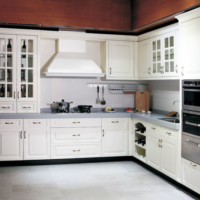



How to Maintain and Care for Your London Kitchen Worktops Select

london kitchen worktops

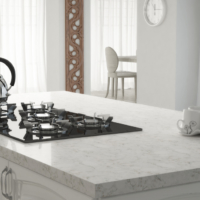
Well-chosen london kitchen worktops can elevate the aesthetics and functionality of your kitchen. In London homes, where space and style often play a crucial role, keeping your kitchen worktops in top condition ensures durability and longevity. Whether your worktop is made from granite, quartz, marble, wood, or laminate, proper care and maintenance will help it retain its beauty and practicality.

This comprehensive guide will cover the best cleaning techniques, maintenance tips, and preventive measures to keep your kitchen worktops looking pristine.

Understanding Different Kitchen Worktop Materials

Before diving into maintenance tips, it’s important to understand the common types of kitchen worktops found in London homes:

  • Granite Worktops: Natural, durable, and heat-resistant but require periodic sealing.
  • Quartz Worktops: Engineered stone that is stain-resistant and easy to maintain.
  • Marble Worktops: Elegant and luxurious but prone to staining and etching.
  • Wood Worktops: Warm and traditional but require regular oiling and protection from moisture.
  • Laminate Worktops: Affordable and low-maintenance but susceptible to heat and scratches.
  • Stainless Steel Worktops: Hygienic and modern but prone to fingerprints and scratches.

Each material has unique cleaning and maintenance requirements, which we’ll explore in detail below.

Daily Cleaning Routine for Kitchen Worktops

Regardless of the material, a consistent cleaning routine will prevent buildup of dirt, stains, and bacteria.

1. Use Mild Detergents

For everyday cleaning, a simple mix of warm water and mild dish soap works well for most surfaces. Avoid harsh chemicals, as they can damage the finish of natural stones and wooden surfaces.

Steps:

  1. Wipe down the worktop with a damp microfiber cloth and soapy water.
  2. Rinse with clean water to remove any residue.
  3. Dry with a soft cloth to prevent streaks or water spots.

2. Avoid Abrasive Scrubbers

Abrasive pads or harsh cleaning agents can cause scratches, especially on quartz, marble, and laminate worktops. Instead, use soft sponges or microfiber cloths.

Deep Cleaning and Stain Removal

3. Removing Stains from Different Worktop Materials

Some materials are more prone to staining than others. Here’s how to handle common stains on various surfaces:

Granite & Quartz

  • For stubborn stains, create a paste using baking soda and water.
  • Apply it to the stain, let it sit for a few minutes, and wipe away with a damp cloth.

Marble

  • Use a mixture of water and mild dish soap for everyday cleaning.
  • For deep stains, a poultice of baking soda and water can help lift stains from the porous surface.

Wood

  • Wipe up spills immediately to prevent warping.
  • Remove stains by lightly sanding the area and reapplying mineral oil.

Laminate

  • Use a non-abrasive cleaner or a mix of vinegar and water to remove stains.
  • Avoid excessive water exposure, as laminate edges can peel over time.

Preventive Care for Kitchen Worktops

4. Use Cutting Boards and Trivets

Even the most durable worktops can suffer from direct heat exposure and sharp objects. Always use:

  • Cutting boards to prevent scratches and knife marks.
  • Trivets or heat-resistant pads under hot pots and pans to avoid heat damage.

5. Seal Natural Stone Worktops

Granite and marble worktops require periodic sealing to maintain their resistance to stains and moisture. Test the seal by placing a few drops of water on the surface—if it absorbs quickly, it’s time to reseal.

How to Seal a Stone Worktop:

  1. Clean the surface thoroughly and let it dry.
  2. Apply a stone sealer evenly using a cloth or brush.
  3. Let it absorb for the recommended time (usually 10–15 minutes).
  4. Wipe off excess sealer and buff the surface.

6. Oiling Wooden Worktops

Wood requires regular oiling to maintain its finish and prevent cracking.

Steps to Oil a Wooden Worktop:

  1. Clean the surface and let it dry completely.
  2. Apply a food-safe mineral oil or Danish oil evenly.
  3. Allow it to soak for a few hours, then wipe off the excess.
  4. Repeat every few months for best results.

Handling Scratches and Surface Damage

7. Repairing Scratches

  • Granite & Quartz: Minor scratches can be polished out with a stone repair kit.
  • Marble: Use fine sandpaper to buff out light scratches, followed by a marble polish.
  • Wood: Sand the area and reapply a protective oil.
  • Laminate: Minor scratches can be concealed with laminate repair paste.

8. Preventing Chips and Cracks

  • Avoid dropping heavy objects on stone surfaces.
  • Use caution when placing heavy appliances on laminate worktops.
  • Be mindful of edges, which are more prone to chipping.

Special Care Tips for London Homes

Living in London comes with its own set of challenges, including hard water and humidity. Here are additional tips to maintain your worktops:

9. Preventing Hard Water Stains

London’s water supply is rich in minerals, which can leave deposits on kitchen surfaces. To prevent water stains:

  • Wipe down worktops after each use.
  • Use a mixture of vinegar and water to remove limescale buildup on stone and stainless steel.

10. Managing Humidity Levels

Excess humidity can affect wooden and laminate worktops, causing warping or peeling.

  • Ensure good ventilation in your kitchen.
  • Use a dehumidifier if necessary to maintain optimal moisture levels.

Conclusion

Caring for your London kitchen worktops doesn’t have to be a complicated task. By following a consistent cleaning routine, using the right products, and taking preventive measures, you can keep your worktops looking new for years to come.

Key Takeaways:

  • Clean your worktops daily with mild soap and water.
  • Use cutting boards and trivets to prevent scratches and heat damage.
  • Seal granite and marble regularly to maintain their resistance to stains.
  • Oil wooden worktops to keep them hydrated and durable.
  • Wipe down surfaces to prevent hard water stains, especially in London’s high-mineral water conditions.

Whether your worktops are made of granite, quartz, marble, wood, or laminate, proper care will ensure they remain a stylish and functional feature in your kitchen. By investing time in maintenance, you’ll preserve both the beauty and the value of your kitchen space for years to come.

How to Maintain and Clean Your Silestone Worktop Like a Pro Select

Silestone worktop

Silestone worktop have become a popular choice for modern kitchens due to their durability, aesthetic appeal, and low-maintenance properties. Made from a blend of natural quartz and resins, Silestone is non-porous, resistant to stains, and highly durable, making it an excellent choice for busy households. However, like any other surface, it requires proper care and maintenance to keep it looking pristine.

In this guide, we’ll take you through everything you need to know about cleaning and maintaining your Silestone worktop like a pro, ensuring it remains in top condition for years to come.

Understanding Silestone Worktops

Before diving into maintenance and cleaning tips, it’s essential to understand what makes Silestone unique:

  • Non-Porous Surface: Unlike natural stones like marble and granite, Silestone does not absorb liquids, making it highly resistant to stains.
  • Scratch Resistance: Silestone is tough, but it’s not entirely scratch-proof, so care should be taken when using sharp objects.
  • Heat Resistance: While Silestone is more heat-resistant than laminate or wood, excessive heat exposure can damage its surface.
  • Bacteria Resistance: Due to its non-porous nature, Silestone naturally resists bacteria and mold growth, making it a hygienic choice for kitchens.

Now, let’s look at how to properly clean and maintain your Silestone worktop.

Daily Cleaning Routine

Keeping your Silestone worktop clean daily is simple and requires minimal effort.

1. Use a Soft Cloth and Mild Soap

For everyday cleaning, all you need is warm water, a soft microfiber cloth, and mild dish soap.

Steps:

  1. Dampen a soft cloth with warm water.
  2. Add a few drops of mild dish soap.
  3. Wipe the surface gently in circular motions.
  4. Rinse with clean water and dry with a dry microfiber cloth to prevent streaks.

2. Avoid Harsh Chemicals

Silestone is highly durable, but harsh chemicals can damage the surface. Avoid using:

  • Bleach
  • Ammonia-based cleaners
  • Abrasive scrubbers
  • Acidic substances like vinegar or lemon juice

If you accidentally spill any of these substances, rinse the area immediately with water.

Removing Stains from Silestone

Although Silestone is stain-resistant, certain spills can leave marks if left unattended. Here’s how to tackle different types of stains:

3. Removing Common Stains

  • Coffee, Tea, and Wine Stains: Use a mixture of warm water and a gentle pH-neutral cleaner.
  • Oil and Grease Stains: Apply a small amount of dish soap and warm water, then wipe with a microfiber cloth.
  • Dried Food Residue: Use a plastic scraper or soft sponge to remove the residue without scratching the surface.

4. Deep Cleaning Tough Stains

For stubborn stains, a specialized quartz cleaner is recommended. Alternatively, a paste made from baking soda and water can help lift stains gently.

Steps:

  1. Apply the cleaning solution or baking soda paste to the stained area.
  2. Let it sit for a few minutes.
  3. Wipe away with a damp cloth.
  4. Rinse and dry thoroughly.

Preventing Damage to Your Silestone Worktop

Prevention is the best way to maintain the beauty and longevity of your Silestone worktop.

5. Use Cutting Boards

Although Silestone is scratch-resistant, direct cutting with knives can dull both the countertop and the knife blade. Always use a cutting board when preparing food.

6. Avoid Direct Heat Exposure

Silestone can withstand some heat, but prolonged exposure to high temperatures can cause damage. Protect your worktop by:

  • Using trivets or heat-resistant pads under hot pans and pots.
  • Never placing hot cookware directly on the surface.

7. Clean Up Spills Immediately

To prevent potential discoloration, always clean up spills as soon as possible. Even though Silestone resists stains, prolonged exposure to certain substances may cause surface dullness.

Maintaining the Shine and Finish

Silestone worktops have a natural glossy finish that enhances their luxurious look. Here’s how to keep them looking their best:

8. Regular Polishing

Silestone does not require frequent polishing, but occasional buffing with a dry microfiber cloth can restore its natural shine.

  • Use a dry, soft microfiber cloth to buff the surface in circular motions.
  • Avoid wax or silicone-based polishes, as they can leave residues.

9. Preventing Water Spots

Water spots can sometimes appear if water is left to dry on the surface. To avoid this:

  • Always wipe down the worktop with a dry cloth after cleaning.
  • If hard water spots appear, use a small amount of glass cleaner to remove them.

Long-Term Care Tips

Taking a few extra steps can help extend the life of your Silestone worktop and keep it looking brand new.

10. Avoid Impact Damage

Although Silestone is strong, dropping heavy objects can cause chipping or cracks. Be mindful of heavy kitchen tools or appliances.

11. Keep Chemicals Away

Household cleaning products like oven cleaners, drain cleaners, and paint removers contain harsh chemicals that can damage the surface. Keep them away from your Silestone worktop.

12. Regularly Check for Wear and Tear

Periodically inspect your worktop for any signs of wear, such as dull spots or minor scratches, and address them promptly using appropriate cleaning methods.

Conclusion

Silestone worktops are a fantastic addition to any kitchen, offering durability, beauty, and ease of maintenance. By following a simple daily cleaning routine, preventing stains, avoiding direct heat, and using protective measures, you can keep your Silestone worktop looking pristine for years to come.

With proper care, your Silestone worktop will maintain its elegance and functionality, making it a standout feature in your kitchen. Follow these tips, and you’ll enjoy a beautiful, hassle-free countertop that enhances your cooking space effortlessly.

Buying Quartz Kitchen Worktops | What to Look For Select

quartz kitchen worktops

Quartz kitchen worktops have become one of the most popular choices for homeowners and designers alike, and it’s easy to see why. With a unique blend of elegance, durability, and low maintenance, quartz offers both aesthetic appeal and functional benefits. However, with a wide array of brands, colours, finishes, and prices on the market, buying quartz kitchen worktops can feel overwhelming.

This guide will walk you through everything you need to know when buying quartz worktops so you can make an informed, confident decision that suits your style, needs, and budget.


What Is Quartz?

Quartz is an engineered stone made from a mixture of natural quartz crystals (usually around 90-95%) and resins, pigments, and polymers. This combination results in a surface that mimics the look of natural stone like granite or marble while offering superior consistency and strength.

Unlike natural stone, quartz is non-porous, meaning it doesn’t absorb liquids or harbour bacteria, making it ideal for busy kitchen environments.


Why Choose Quartz for Your Kitchen Worktop?

Before diving into what to look for, let’s touch on why quartz is such a popular choice:

  • Durability: Scratch, stain, and heat resistant (within reason).
  • Low Maintenance: No sealing required, easy to clean with mild soap and water.
  • Variety: Available in a wide range of colours, patterns, and finishes.
  • Hygienic: Non-porous surface prevents mould, mildew, and bacteria growth.
  • Long-lasting: When properly cared for, quartz worktops can last decades.

Key Factors to Consider When Buying Quartz Worktops

1. Budget and Pricing

Quartz worktops range in price depending on the brand, design, and installation complexity. You can expect prices to start around £250 per square metre and go upwards of £700 or more.

What influences the price?

  • Brand and manufacturer
  • Design complexity and pattern
  • Thickness of the slab (typically 20mm or 30mm)
  • Custom cutouts (for sinks, hobs, etc.)
  • Installation and fabrication fees

Tip: Always get multiple quotes and ensure they include everything—materials, delivery, and fitting.


2. Quality and Brand Reputation

Not all quartz is created equal. Some budget suppliers may use lower-quality resins or fewer quartz particles, which can affect durability and appearance.

Top quartz brands to look for include:

  • Caesarstone
  • Silestone by Cosentino
  • Cambria
  • Compac
  • Samsung Radianz

Choosing a reputable brand ensures product consistency, quality control, and often better warranties.


3. Colour and Pattern Selection

Quartz offers a broad palette of colours and finishes:

  • Solid colours (e.g., white, black, grey) for minimalistic aesthetics
  • Marble-inspired veins for a luxurious look
  • Speckled designs for a more traditional feel
  • Textured or matte finishes for contemporary kitchens

When selecting a colour:

  • Match or contrast with your cabinetry and flooring.
  • Consider how lighting affects the colour appearance.
  • Request samples and view them in your home before deciding.

4. Thickness and Edge Profiles

Quartz worktops are typically available in 20mm and 30mm thicknesses. Thicker worktops are more robust and provide a more premium look but also come at a higher cost.

Popular edge profiles include:

  • Straight edge: Clean and modern
  • Bevelled edge: Angled cut for a softer look
  • Ogee edge: Traditional and decorative
  • Bullnose: Rounded edge, ideal for family homes

Your edge choice can subtly influence the overall kitchen design and feel.


5. Finish Options

Quartz surfaces come in various finishes, each offering a distinct look and feel:

  • Polished: High-gloss, reflective finish that enhances colour depth
  • Honed: Matte finish with a soft, velvety texture
  • Leathered/Textured: Subtle texture for a more organic appearance

While polished is most common, honed and textured finishes are increasingly popular in modern and rustic designs.


6. Stain, Heat, and Scratch Resistance

Quartz is naturally stain-resistant due to its non-porous surface. However, not all quartz is equally heat- or scratch-resistant. While it can handle occasional hot pans, it’s best to use trivets or heat pads to prevent thermal shock or discolouration.

Similarly, though quartz is scratch-resistant, it is not scratch-proof. Always use a chopping board rather than cutting directly on the surface.


7. Warranty and After-Sales Support

Check what kind of warranty the manufacturer or installer offers. A standard quartz warranty can range from 10 years to a limited lifetime, depending on the brand.

Make sure the warranty covers:

  • Defects in materials or craftsmanship
  • Fading, warping, or cracking
  • Installation-related issues (if done by an approved fitter)

Also, ask about maintenance guidance and after-sales support in case of damage.


8. Installation and Fabrication

Installation is a crucial step that directly affects the appearance and performance of your quartz worktop. Choose a certified fabricator with experience in handling quartz materials.

Ask about:

  • Turnaround times from template to installation
  • Seam placement (especially for larger surfaces)
  • Precision in cutouts for sinks, hobs, and taps

A poor installation can result in uneven surfaces, visible seams, and long-term issues.


9. Sustainability and Environmental Impact

If sustainability is important to you, look into the environmental practices of the brand. Some manufacturers use recycled quartz or eco-friendly resins. Others may have certifications like:

  • NSF/ANSI 51 Certification (safe for food contact)
  • Greenguard Certification (low chemical emissions)
  • LEED credits for green building standards

Additionally, consider choosing local suppliers to reduce the carbon footprint associated with shipping heavy materials.


Maintenance Tips for Quartz Worktops

Quartz is one of the easiest worktop materials to maintain, but a few best practices can keep it looking new:

  • Clean spills promptly with warm soapy water
  • Avoid harsh chemicals like bleach or abrasive scrubbers
  • Use cutting boards to prevent surface scratches
  • Place hot pots on trivets instead of directly on the surface
  • Wipe down regularly to maintain shine and hygiene

Common Myths About Quartz

Myth 1: Quartz is 100% natural.
False. While quartz crystals are natural, the final product is engineered.

Myth 2: Quartz is indestructible.
No material is completely damage-proof. Quartz is durable, but it still needs care.

Myth 3: All quartz is the same.
Not true. The quality of resins, manufacturing, and consistency varies greatly by brand.


Final Thoughts

Choosing the right quartz kitchen worktop involves more than just picking a pretty colour. By understanding the material, evaluating your needs, and comparing brands and options, you can make a smart investment that adds value, beauty, and functionality to your home.

Remember to:

  • Set a clear budget
  • Research trusted brands
  • View physical samples
  • Ask the right questions before committing

With the right approach, your quartz worktop can become the stunning centrepiece of your kitchen—built to handle everything from morning coffee spills to holiday feast preparations.

Need help comparing suppliers or creating a shortlist? Let us know—we’re here to help you find your perfect match.