










Are Cheap Quartz Worktops Worth It? Pros and Cons Explained Select

cheap quartz worktops

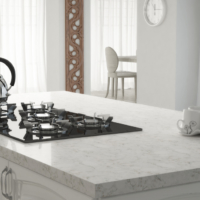
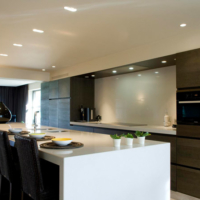
Quartz worktops are a popular choice for modern kitchens due to their durability, sleek design, and low maintenance. However, premium quartz worktops can be expensive, leading many homeowners to look for cheaper alternatives. But are cheap quartz worktops worth the investment? In this guide, we’ll explore the pros and cons of budget quartz worktops, helping you determine if they’re the right choice for your home.


What Are Quartz Worktops?

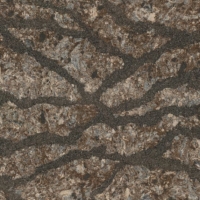
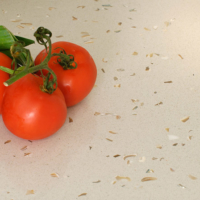
Quartz worktops are engineered stone surfaces made from 90-95% natural quartz, combined with resins, polymers, and pigments. This combination creates a non-porous, highly durable, and stylish material that mimics the appearance of natural stone but with enhanced performance.

While high-end quartz worktops can be costly, many affordable options are available. However, these budget-friendly choices may differ in quality, longevity, and aesthetics.


Pros of Cheap Quartz Worktops

1. Affordability

One of the most significant benefits of cheap quartz worktops is their cost-effectiveness. High-end quartz surfaces can range from £300-£600 per square meter, whereas cheaper options can be as low as £150 per square meter. If you’re on a budget, opting for an affordable quartz worktop can help you achieve a stylish kitchen without breaking the bank.

2. Aesthetic Appeal

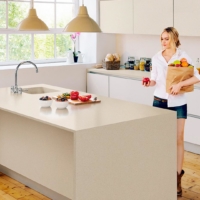
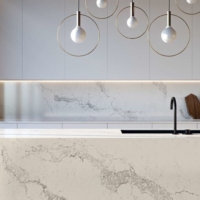
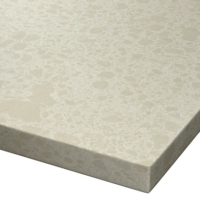
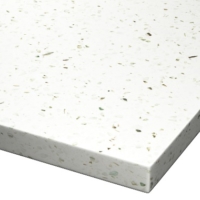
Even budget-friendly quartz worktops maintain the luxurious and modern look of natural stone. Available in various colours, patterns, and finishes, cheaper quartz options can still elevate the aesthetic appeal of your kitchen.

3. Non-Porous & Low Maintenance

Unlike natural stone, quartz worktops are non-porous, meaning they don’t absorb liquids, preventing stains and bacteria buildup. Even affordable quartz surfaces maintain this feature, making them easy to clean and maintain with just soap and water.

4. Variety of Designs

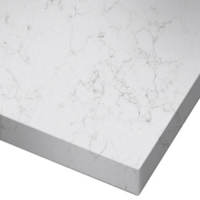
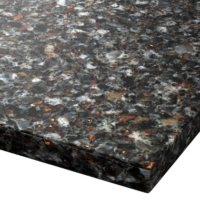
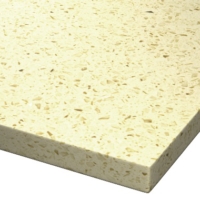
Budget quartz worktops still come in a wide range of colours and styles, including designs that mimic natural materials like marble or granite. This allows homeowners to achieve a high-end look at a fraction of the cost.

5. Durability Compared to Other Cheap Alternatives

While cheap quartz may not be as robust as premium brands, it is still more durable than other affordable worktop materials like laminate or wood. This makes it a good option for those looking for a mid-range solution that balances cost and durability.


Cons of Cheap Quartz Worktops

1. Lower-Quality Materials

Budget quartz worktops may contain a lower percentage of natural quartz, with more resins and fillers. This can affect their overall strength and scratch resistance, making them more prone to damage over time.

2. Less Durable Than High-End Quartz

While all quartz worktops are durable, cheaper options may not last as long as premium ones. They may be more susceptible to chipping, cracking, or fading over time, especially in high-traffic kitchens.

3. Limited Warranty

High-quality quartz worktops often come with extended warranties (10-25 years), while cheaper options may only have shorter or limited warranties. This could be a concern if the worktop develops issues down the line.

4. Fewer Design Options & Finishes

Budget quartz worktops may offer fewer choices in terms of unique patterns, textures, and finishes. High-end quartz brands provide more sophisticated and realistic natural stone effects, whereas cheaper options might look more artificial.

5. Potential for Discoloration Over Time

Low-cost quartz worktops may have less UV resistance, meaning they could fade or discolor over time, especially in kitchens with large windows or direct sunlight exposure.

6. Weak Resistance to Heat and Chemicals

Although quartz is heat resistant, cheaper variants may not withstand high temperatures as well as premium quartz. Placing hot pans directly on a budget quartz worktop can cause burn marks or warping.


How to Choose a High-Quality Yet Affordable Quartz Worktop

If you’re considering a budget-friendly quartz worktop, here are some key factors to keep in mind to ensure you get the best value for your money:

1. Check the Quartz Content

  • Look for quartz worktops with at least 90% natural quartz. The higher the quartz content, the stronger and more durable the surface will be.

2. Research Brands

  • Some brands offer affordable yet high-quality quartz worktops. Look for reputable brands that provide certifications and warranties.

3. Read Reviews & Testimonials

  • Customer reviews can help you gauge the quality, longevity, and overall satisfaction with budget quartz worktops.

4. Compare Prices & Suppliers

  • Some suppliers overcharge for budget quartz, while others offer fair pricing. Comparing multiple retailers can help you find the best deal.

5. Inspect Samples Before Purchasing

  • Before committing, ask for samples to check texture, color consistency, and overall build quality.

6. Consider Professional Installation

  • Quartz worktops require precise cutting and installation. A poor installation can lead to cracking and misalignment, even with high-quality materials. Hiring a professional can prevent costly mistakes.

Are Cheap Quartz Worktops Right for You?

Choosing cheap quartz worktops depends on your budget, kitchen usage, and long-term expectations. Here’s a summary to help you decide:

Choose Cheap Quartz Worktops If:

✅ You have a limited budget but still want a stylish and durable countertop.
✅ Your kitchen isn’t high-traffic, meaning less risk of scratches or damage.
✅ You are happy with fewer design options and a shorter lifespan.
✅ You plan to upgrade or renovate again in a few years.

Consider Premium Quartz Worktops If:

❌ You want maximum durability and long-term investment.
❌ You use your kitchen daily and require high resistance to heat, scratches, and stains.
❌ You prefer unique, premium designs and high-end finishes.
❌ You want a long warranty for peace of mind.


Conclusion

Cheap quartz worktops can be a worthwhile investment for budget-conscious homeowners, but they come with trade-offs in durability, design, and longevity. While they provide an elegant and modern look at a lower price, they may not last as long as premium quartz surfaces.

Before making a decision, weigh the pros and cons carefully, compare different brands, and consider factors like quartz content, warranty, and supplier reputation. If chosen wisely, an affordable quartz worktop can still enhance your kitchen without compromising too much on quality.

How Durable Is a Silestone Worktop? A Complete Breakdown Select

Silestone worktop

Silestone worktops have become a go-to choice for homeowners and interior designers alike, offering an elegant yet practical solution for modern kitchens and bathrooms. But the question on many minds is: How durable is a Silestone worktop? In this article, we’ll break down everything you need to know about the durability, resistance, maintenance, and longevity of Silestone surfaces so you can make an informed decision for your space.

What is Silestone?

Before diving into its durability, let’s quickly define what Silestone is. Silestone is an engineered stone surface made primarily of natural quartz (around 90%), bound with high-performance resins and other additives. Manufactured by Cosentino, a global leader in surface innovation, Silestone is known for its vibrant colour range, non-porous structure, and cutting-edge technology like N-Boost for enhanced resistance.

Key Features That Affect Durability

The durability of a worktop isn’t just about how hard it is. It’s a combination of factors like scratch resistance, stain resistance, impact tolerance, and heat endurance. Here’s how Silestone performs across all these categories:

1. Scratch Resistance

Silestone is highly resistant to scratches, thanks to its quartz content. Quartz is one of the hardest minerals available (ranking 7 on the Mohs hardness scale), making Silestone significantly more scratch-resistant than materials like laminate or solid wood.

However, it’s not completely immune. Dragging knives or sharp metal tools directly across the surface can eventually leave marks. For this reason, using chopping boards is still recommended.

2. Stain Resistance

One of Silestone’s standout features is its non-porous surface. Unlike granite or marble, it doesn’t absorb liquids, which means substances like coffee, red wine, lemon juice, and oil won’t seep in and stain the surface.

Cosentino’s N-Boost technology further enhances this protection by modifying the molecular structure of the surface, making it easier to clean and even more stain-resistant.

3. Impact Resistance

Silestone has excellent impact resistance compared to other stone surfaces. The combination of quartz and high-quality resins gives it flexibility and toughness, so it can withstand accidental knocks and drops better than brittle stones like marble.

That said, extremely heavy impacts—such as dropping a cast-iron skillet from height—could still cause chipping, particularly around edges and corners.

4. Heat Resistance

Silestone can tolerate moderately high temperatures (up to around 150°C or 300°F), but it is not as heat-resistant as natural granite. Prolonged exposure to direct heat can damage the resin component, causing discolouration or even cracks.

To preserve the surface, always use trivets or heat pads when placing hot pots or pans.

5. Resistance to Chemicals and Acids

The non-porous and chemically stable nature of Silestone means it is resistant to most household chemicals, including acidic substances like vinegar, citrus juices, and cleaning agents. However, harsh chemicals like paint strippers or strong alkaline cleaners should be avoided as they can damage the resin matrix.

Real-World Durability: What Users Say

While lab tests and specs are great, what really matters is how Silestone performs in the real world. Here’s what users and experts have reported:

  • Long-Term Use: Many homeowners report that their Silestone worktops have lasted 10+ years with minimal signs of wear, even in high-traffic kitchens.
  • Commercial Settings: It’s often used in commercial kitchens, bathrooms, and public restrooms where durability is a must.
  • Low Maintenance: Unlike granite or wood, Silestone doesn’t require sealing or polishing. Simple soap and water are usually enough for cleaning.

Silestone vs. Other Worktop Materials

Let’s put Silestone side by side with some other popular worktop materials to see how it compares in terms of durability:

Feature Silestone Granite Marble Laminate Solid Wood
Scratch Resistance High High Medium Low Low
Stain Resistance Very High Medium Low Medium Low
Impact Resistance High Medium Low Medium Medium
Heat Resistance Medium High Medium Low Medium
Maintenance Low Medium High Low High

Maintenance Tips to Extend Durability

To get the most life out of your Silestone worktop, follow these maintenance guidelines:

  • Clean spills immediately with a mild detergent and soft cloth
  • Avoid abrasive sponges or cleaners that can dull the surface
  • Always use a chopping board when cutting or slicing
  • Use trivets or pads under hot pots and pans
  • Avoid harsh chemicals like bleach, oven cleaner, or paint remover

By following these simple practices, your Silestone surface can remain in top condition for decades.

Warranty and Manufacturer Support

Silestone comes with a 25-year limited transferable warranty, one of the best in the industry. This warranty covers manufacturing defects and offers peace of mind for homeowners.

Cosentino also provides excellent after-sales support and has a large network of approved fabricators and installers across the UK, ensuring you get a professional finish and long-term durability.

Environmental Durability: A Sustainable Choice

Beyond physical resilience, Silestone is also a durable environmental choice. Cosentino has made strides in using recycled materials and sustainable practices. The Silestone HybriQ+ range is made with 100% renewable electricity and recycled water, making it a top choice for eco-conscious homeowners.

Final Verdict: Is Silestone a Durable Worktop Material?

In a word: Yes. Silestone worktops offer a rare combination of aesthetic appeal, functionality, and long-lasting durability. With high resistance to scratches, stains, and impacts, along with low maintenance requirements and eco-friendly options, Silestone is a standout choice for any modern kitchen or bathroom.

Top Quartz Kitchen Worktop Trends for Modern Homes Select

quartz kitchen worktops

Quartz kitchen worktops have become a staple in modern homes, thanks to their durability, stunning aesthetics, and low maintenance requirements. Unlike natural stone options like granite and marble, quartz is engineered, allowing homeowners to enjoy a wide range of colors, patterns, and finishes tailored to contemporary design trends.

If you’re planning a kitchen renovation or simply looking to upgrade your countertops, this guide will walk you through the latest quartz kitchen worktop trends that are defining modern homes in 2024.

1. Neutral and Earthy Tones

While classic white quartz remains a favorite, homeowners are increasingly opting for neutral and earthy tones that create a warm and inviting atmosphere. Popular shades include:

  • Beige and taupe – Adds warmth without overwhelming the space.
  • Soft greys – A subtle alternative to stark white, offering sophistication and versatility.
  • Warm browns – Complements wood cabinetry and rustic interiors.

These tones work well with modern kitchens that emphasize natural materials and organic aesthetics.

2. Bold Veining for a Dramatic Look

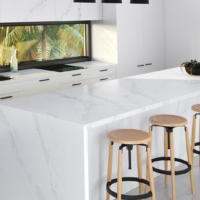
Inspired by high-end marble, quartz worktops with bold veining are making a strong impact in modern kitchens. These patterns mimic the luxurious appeal of natural stone while offering superior durability and stain resistance. Some trending veined quartz styles include:

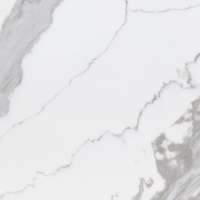
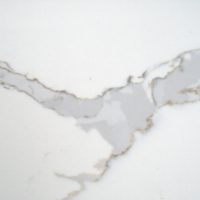
  • Calacatta-inspired quartz – Large, striking veins running across a white or light background.
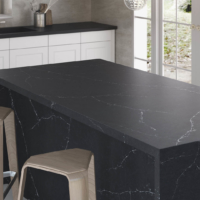
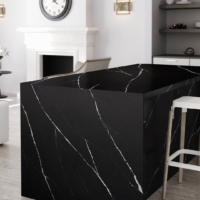
  • Dramatic black veining – A high-contrast look for bold, statement-making kitchens.
  • Soft, flowing veins – More subtle but still elegant, perfect for minimalist kitchens.

3. Matte and Honed Finishes

Polished quartz has long been the standard, but matte and honed finishes are gaining traction in contemporary kitchen designs. These finishes offer a softer, more natural appearance while reducing glare and fingerprints.

  • Matte finish – Provides a smooth, modern look with a muted effect.
  • Honed finish – Slightly textured, offering a sophisticated, organic feel.

Both options work well in open-concept kitchens and complement natural wood, metal, and concrete elements.

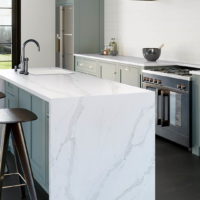
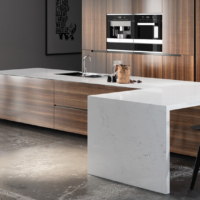
4. Waterfall Edge Worktops

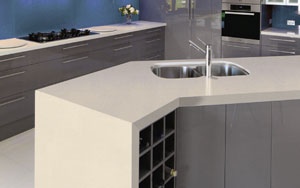
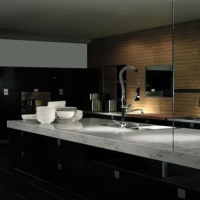
A waterfall edge is when the quartz worktop extends seamlessly down the sides of a kitchen island or cabinetry, creating a continuous flow of material. This design is ideal for modern homes as it:

  • Enhances the visual appeal of kitchen islands.
  • Adds a sleek, contemporary touch.
  • Provides additional protection for cabinetry.

Whether using a bold veined quartz or a simple solid color, a waterfall edge can elevate the entire kitchen aesthetic.

5. Dark and Moody Quartz Shades

While light-colored quartz remains popular, there is a growing demand for darker tones that create a bold and luxurious feel. Trending options include:

  • Deep charcoal grey – Pairs well with both light and dark cabinetry.
  • Jet black quartz – A sleek, ultra-modern choice with dramatic elegance.
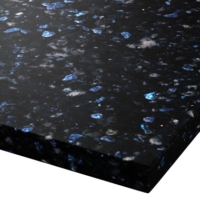
  • Navy blue quartz – A unique alternative that adds personality to the space.

Dark quartz worktops work exceptionally well in industrial-style and contemporary kitchen designs.

6. Textured Quartz Surfaces

Beyond just color and finish, texture is becoming a key factor in quartz worktop trends. Some popular options include:

  • Leathered quartz – A subtle, textured finish that adds depth.
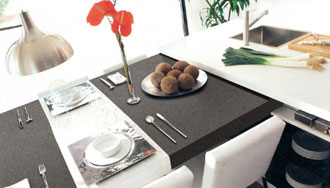
  • Concrete-effect quartz – Mimics the industrial look of concrete but with the benefits of quartz.
  • Rough-hewn or natural-look quartz – Perfect for rustic or farmhouse-style kitchens.

These textures offer a tactile experience while adding unique character to the kitchen.

7. Bookmatched Quartz Designs

Bookmatching is a design technique where two adjacent quartz slabs mirror each other, creating a seamless, symmetrical pattern. This effect is commonly used for:

  • Kitchen islands
  • Backsplashes
  • Feature walls

Bookmatched quartz is particularly popular with dramatic veining patterns, giving kitchens an upscale and sophisticated look.

8. Thin and Ultra-Thin Quartz Worktops

While thick, chunky countertops have been trendy in the past, many modern homeowners are opting for thin and ultra-thin quartz slabs. These sleek worktops:

  • Enhance minimalist and contemporary kitchen aesthetics.
  • Create a clean and streamlined appearance.
  • Work well in small kitchens by keeping the design light and airy.

Ultra-thin quartz worktops, typically around 12mm thick, are especially popular in European-style kitchens.

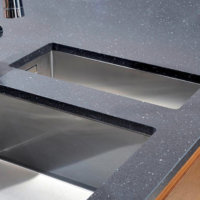
9. Quartz with Integrated Sinks

Integrated sinks, where the sink is made from the same quartz material as the worktop, are becoming a sought-after feature in modern kitchens. Benefits of this trend include:

  • Seamless design with no visible joints.
  • Easy maintenance and cleaning.
  • A cohesive, high-end look.

This design is perfect for those who prefer a minimalist and hygienic kitchen layout.

10. Sustainable and Recycled Quartz Worktops

Eco-conscious homeowners are increasingly looking for sustainable quartz worktops made from recycled materials. Many leading quartz manufacturers now offer:

  • Worktops made with recycled glass, porcelain, or mirror fragments.
  • Environmentally friendly production processes with reduced waste.
  • Certifications for low environmental impact and sustainability.

Choosing sustainable quartz allows homeowners to enjoy a stylish kitchen while reducing their carbon footprint.

11. Quartz with Metallic Flecks and Sparkle

For those who love a touch of glamour, quartz worktops with metallic flecks and subtle sparkle are a trending choice. These worktops:

  • Reflect light beautifully, enhancing kitchen brightness.
  • Work well in modern, contemporary, and even classic-style kitchens.
  • Offer a unique alternative to traditional veined or solid-color quartz.

Common options include quartz with silver, gold, or copper flecks embedded within the surface.

12. Two-Tone Quartz Worktops

A growing trend in modern kitchens is the use of two-tone quartz worktops. This involves combining two different quartz styles within the same space, such as:

  • A darker quartz island with lighter perimeter worktops.
  • A veined quartz island paired with solid-colored side counters.
  • Contrasting backsplashes and countertops for visual interest.

This trend adds depth and personality to a kitchen, making it a standout feature.

Conclusion

Quartz kitchen worktops continue to evolve, offering homeowners an incredible range of styles, colors, and finishes to suit modern tastes. Whether you prefer the elegance of bold veining, the sophistication of matte finishes, or the eco-friendliness of recycled quartz, there is a trend to match every aesthetic and functional need.

When selecting a quartz worktop, consider factors like maintenance, durability, and how well it complements your overall kitchen design. With so many options available, you can create a stunning and practical kitchen space that stays stylish for years to come.

By embracing these quartz kitchen worktop trends, you can transform your kitchen into a contemporary masterpiece that blends functionality with timeless beauty.