
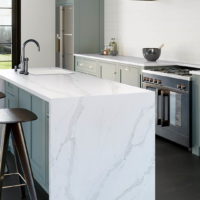
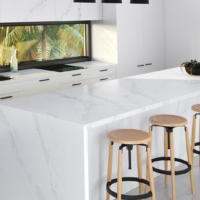
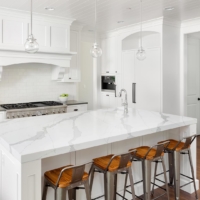
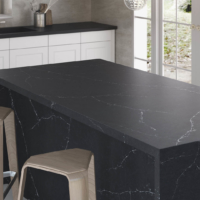
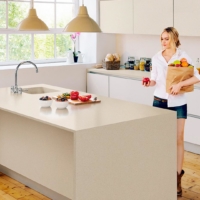
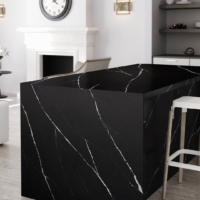



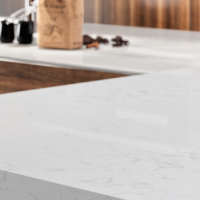
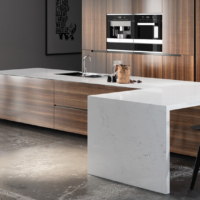

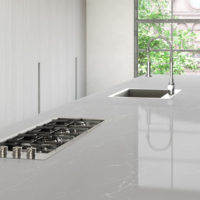

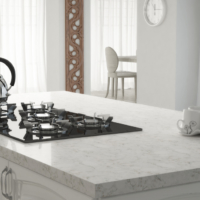
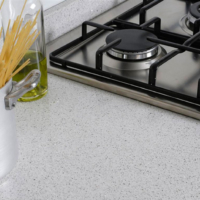







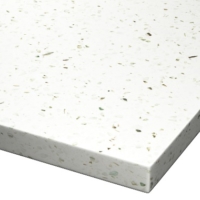
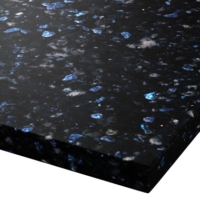
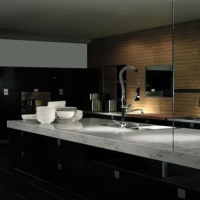
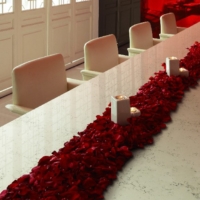
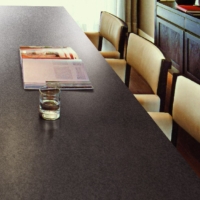
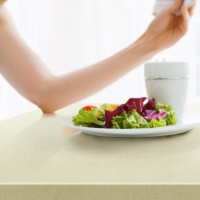
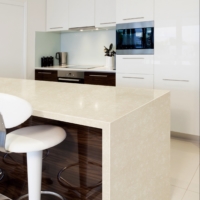
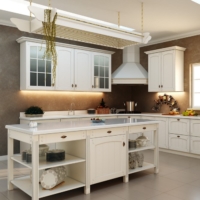



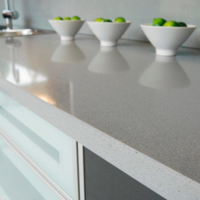
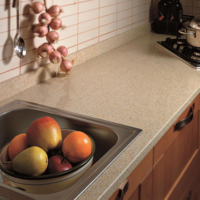
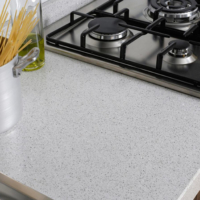

Quartz kitchen worktops have become one of the most popular choices for modern homes, and it’s easy to see why. Known for their durability, elegance, and low maintenance requirements, quartz surfaces offer the perfect blend of functionality and style. However, like any premium surface, they still require proper care to maintain their lasting beauty. With the right cleaning and maintenance practices, your quartz kitchen worktops can look as good as new for decades.
Why Choose Quartz Kitchen Worktops?
Before diving into maintenance, it’s worth understanding why quartz is such a sought-after material.
-
Durability – Quartz is engineered from natural stone and resins, making it harder and more resilient than many other surfaces.
-
Non-Porous Surface – Unlike granite or marble, quartz doesn’t absorb liquids, reducing the risk of staining.
-
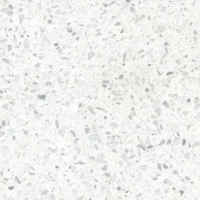
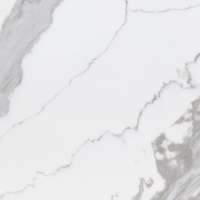
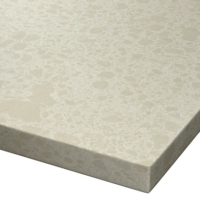
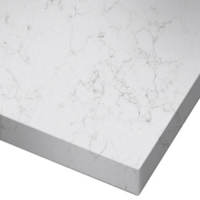
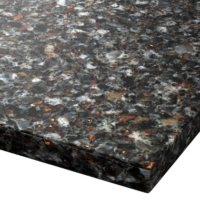
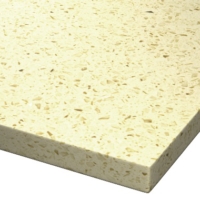
Variety of Styles – Quartz comes in a wide range of colours and patterns, often mimicking natural stone.
-
Low Maintenance – It doesn’t require sealing, making it much easier to care for compared to natural stone.
With these advantages, quartz offers both beauty and practicality — but proper upkeep ensures it remains stunning for years to come.
Daily Quartz Kitchen Worktop Cleaning Tips
Routine cleaning is the simplest way to keep quartz in top condition. Here’s how to do it properly:
-
Use a Mild Dish Soap and Warm Water
A soft cloth or non-abrasive sponge with warm, soapy water is ideal for everyday cleaning. This removes food residues, grease, and light spills. -
Wipe Spills Immediately
Although quartz is stain-resistant, leaving coffee, wine, or tomato sauce spills to sit for too long can cause discolouration. Quick cleanup is key. -
Microfiber Cloths for Shine
After wiping with soap and water, buff the surface dry with a microfiber cloth to restore its glossy finish. -
Avoid Abrasive Pads
Steel wool or harsh scrubbing pads can scratch the surface. Always stick to soft cleaning tools.
Stain Removal for Quartz Worktops
Even with daily care, tough stains can occasionally occur. Here’s how to deal with them:
-
For Dried Spills: Use a plastic scraper or a blunt knife to gently lift dried food or gum without scratching the surface.
-
For Grease or Oil: A degreasing cleaner (free from bleach or ammonia) works best. Spray lightly and wipe away with a damp cloth.
-
For Tough Stains: A paste made of baking soda and water can sometimes help, but always test in an inconspicuous area first.
Pro Tip: Always avoid harsh chemicals such as bleach, oven cleaners, or paint strippers — these can damage the resin in quartz.
Heat Protection for Quartz Kitchen Worktops
While quartz is resistant to heat, it’s not completely heatproof. Exposing your surface to extreme temperatures can cause thermal shock, leading to cracks or discolouration.
-
Always use heat mats or trivets under hot pots, pans, and baking trays.
-
Never place slow cookers, air fryers, or instant pots directly on the quartz surface for long periods.
-
Avoid sudden temperature changes, such as placing ice-cold items on a recently heated area.
Preventing Scratches on Quartz
Quartz is incredibly hard (ranking around 7 on the Mohs hardness scale), but it’s not completely scratch-proof. Protect your surface with these tips:
-
Always use a cutting board instead of chopping directly on the worktop.
-
Avoid dragging heavy pots, pans, or appliances across the surface.
-
Place felt pads under small kitchen appliances to prevent micro-scratches.
Long-Term Quartz Worktop Maintenance
Beyond daily cleaning, long-term habits will help your quartz kitchen worktops retain their beauty for decades.
-
Deep Clean Weekly
Use a non-abrasive surface cleaner specifically designed for quartz to give your worktops a deeper clean once a week. -
Check for Build-Up
Cooking oils, fingerprints, and soap residue can leave a dull film over time. A quartz-safe polish can help restore shine. -
Avoid Harsh UV Exposure
If your kitchen gets direct sunlight, prolonged exposure may cause discolouration. Use blinds or curtains to minimise UV damage. -
Sealant Not Required
Unlike granite or marble, quartz does not require sealing. In fact, applying sealant can damage its non-porous surface.
Common Mistakes to Avoid with Quartz Worktops
To keep quartz surfaces looking flawless, steer clear of these common mistakes:
-
Using harsh chemicals like bleach, drain cleaner, or nail polish remover.
-
Cleaning with abrasive pads, which can leave scratches.
-
Allowing strong dyes (like beetroot juice) to sit for long periods.
-
Placing hot pans directly on the surface.
By avoiding these, you’ll extend the life and beauty of your quartz kitchen worktops.
Eco-Friendly Cleaning Alternatives
For those who prefer natural cleaning solutions:
-
Vinegar and Water – Works well for light cleaning, but use sparingly to avoid dullness.
-
Lemon Juice – Can help lift minor stains but must be rinsed thoroughly.
-
Baking Soda Paste – Effective for stubborn marks, but use gently.
Always remember to rinse with clean water afterward to prevent residue.
Benefits of Proper Quartz Worktop Care
Caring for your quartz worktops isn’t just about aesthetics. Regular maintenance ensures:
-
Longevity – Proper care can extend the lifespan of your surfaces.
-
Hygiene – A clean, non-porous surface reduces bacterial growth.
-
Home Value – Well-maintained quartz adds appeal to potential buyers.
-
Cost Savings – Preventing damage means fewer costly repairs or replacements.
Frequently Asked Questions (FAQ)
1. Do quartz kitchen worktops need sealing?
No, quartz worktops are non-porous and do not require sealing, unlike granite or marble.
2. Can quartz worktops stain?
Quartz is stain-resistant, but spills like coffee, wine, or curry can leave marks if not cleaned promptly.
3. How do I make my quartz worktop shine again?
Use a quartz-safe polish or buff with a microfiber cloth after cleaning. Avoid wax or sealants.
4. Can I cut directly on quartz surfaces?
It’s not recommended. While quartz is hard, sharp knives can leave scratches and damage both the knife and surface.
5. Are quartz worktops heat resistant?
Yes, but only to a point. They can withstand moderate heat, but direct contact with very hot pans may cause damage. Always use trivets or mats.
6. What cleaners should I avoid on quartz worktops?
Avoid bleach, ammonia, oven cleaners, and abrasive powders, as these can damage the surface.
Final Thoughts
Quartz kitchen worktops are a fantastic investment, offering a combination of beauty, durability, and ease of maintenance. With the right care — from daily cleaning and stain prevention to heat protection and long-term habits — your quartz surfaces will remain in pristine condition for years.