
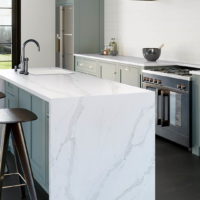
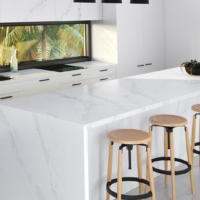

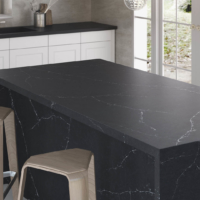



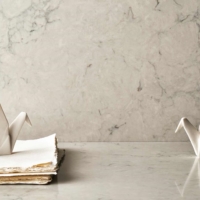
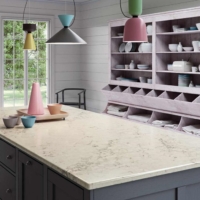
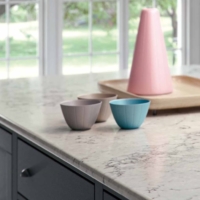
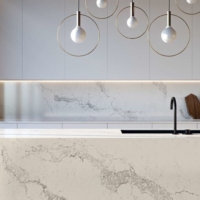

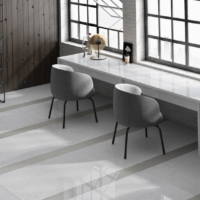
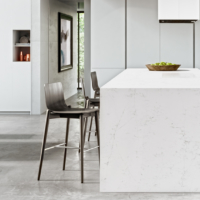
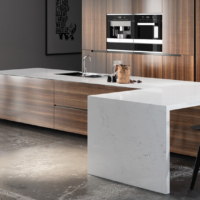

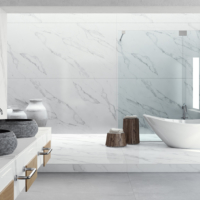

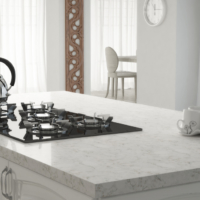
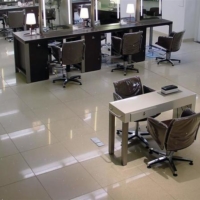
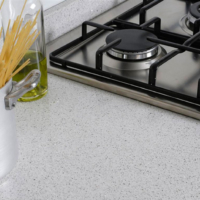
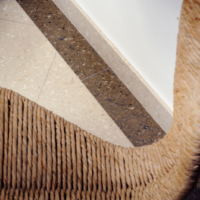
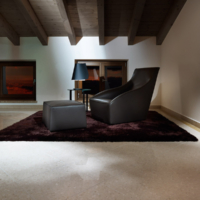


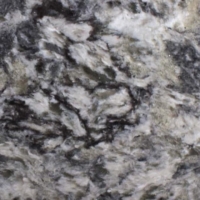

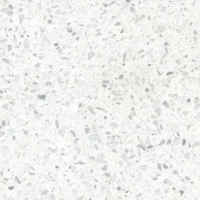







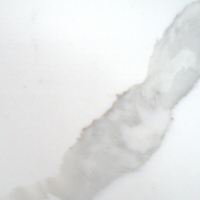
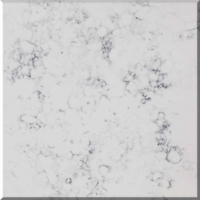
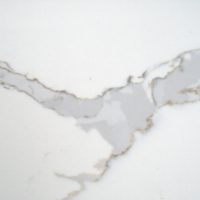
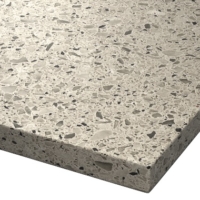
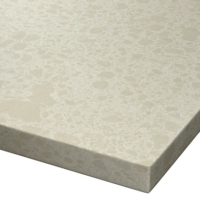
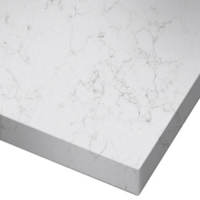

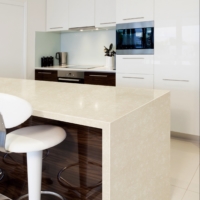

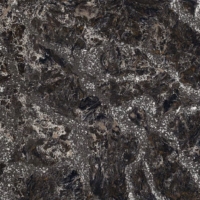
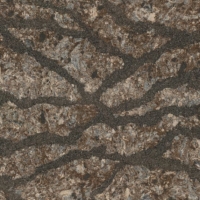



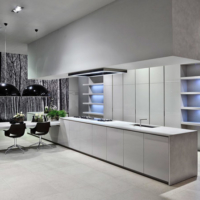





Marble flooring UK is a luxurious and timeless choice for homeowners across the UK. Known for its elegance, durability, and unique veining, marble can elevate the aesthetic of any space. However, to ensure its longevity and keep it looking pristine for years, proper care and maintenance are essential.
1. Understanding Marble Flooring: Why It Needs Special Care
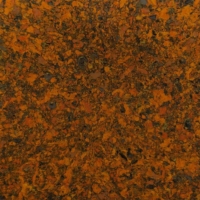
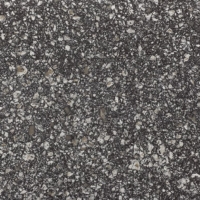
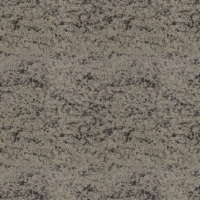
Marble is a natural stone made from crystallized limestone, often found in a range of shades, including white, cream, beige, grey, and even vibrant colours like green and red. While it’s renowned for its beauty and resilience, marble is more porous than other flooring materials, meaning it can absorb liquids and stains more easily. Additionally, its surface can become scratched, discoloured, or dull without proper maintenance.
The British climate, particularly its humidity levels and occasional damp conditions, can also affect the performance of marble flooring, especially in kitchens, bathrooms, or hallways where moisture levels fluctuate.
2. Essential Marble Flooring Maintenance Tips
To maintain marble flooring UK, a few key steps are necessary to preserve its beauty and functionality. Below are some expert tips for keeping your marble floors in pristine condition.
2.1 Regular Cleaning and Sweeping
The first step in maintaining marble floors is to keep them free from dust, dirt, and debris. Over time, small particles can scratch the surface of the stone, leading to wear and tear. Sweeping your marble flooring regularly using a soft-bristle broom or a microfiber dust mop can remove dirt and prevent abrasion.
2.2 Use a pH-Balanced Cleaner
Avoid harsh chemical cleaners that can damage the surface of the marble. Instead, use a pH-balanced cleaner specifically designed for marble or stone floors. A gentle solution of mild dish soap mixed with warm water can also suffice for routine cleaning.
When mopping, always use a damp mop, not a soaking wet one, as excessive moisture can seep into the stone and cause long-term damage. Ensure that your mop is well-wrung to avoid water pooling on the floor.
2.3 Deal with Spills Immediately
One of the main threats to marble flooring is spills, especially acidic substances like wine, vinegar, or citrus juice. These liquids can cause staining or even etching, where the surface becomes dull and damaged.
If a spill occurs, blot it immediately with a clean, dry cloth. Do not rub the spill, as this can spread it and cause further damage. Once the liquid is blotted up, clean the area with a damp mop and mild detergent.
2.4 Polishing and Buffing
Over time, marble flooring can lose its shine and lustre. To restore its glossy finish, use a marble-specific polish or a polishing powder. When buffing, use a soft cloth or a high-speed floor buffer designed for stone floors. Polishing should be done sparingly—only a few times a year—so as not to build up an excess of product.
Remember that marble floors can develop a patina (a soft sheen created from natural wear). For a more rustic look, some homeowners may prefer to let the floor develop this patina over time rather than polishing it back to its original shine.
3. Preventing Damage to Marble Flooring
Preventing damage is just as important as cleaning. Here are some tips to protect your marble flooring from common risks:
3.1 Use Mats and Rugs
Placing mats or rugs in high-traffic areas, such as entryways, kitchen entrances, and hallways, can help protect your marble floors from dirt, grit, and moisture. Choose mats with a non-slip backing to avoid any potential accidents.
3.2 Protect Against Scratches
Marble is a delicate surface that can scratch easily. To prevent scratches, ensure that heavy furniture, such as tables and chairs, has felt pads attached to the bottom. Additionally, avoid dragging furniture or sharp objects across the floor. When moving furniture, always lift it rather than sliding it.
3.3 Avoid Acidic Products
As mentioned earlier, acidic substances can damage marble flooring, so avoid products like vinegar, lemon juice, or bleach. If you need to clean stains, opt for a gentle solution that’s safe for marble surfaces.
3.4 Humidity Control
In the UK, the climate can often lead to high humidity levels, which can negatively affect marble flooring. Excess moisture can lead to discoloration or mildew, especially in bathrooms or kitchens.
Using a dehumidifier can help control moisture in the air. In areas with high humidity, consider installing a vent fan to reduce moisture levels and keep your marble floor dry.
4. Dealing with Stains and Discolouration
Despite your best efforts, stains and discolouration can still occur over time. Here’s how to address some of the most common issues:
4.1 Oil and Grease Stains
Oil and grease stains are particularly common in kitchens. To remove them, apply a paste made of baking soda and water to the stain and let it sit for a few hours. Once the paste has dried, gently scrub with a soft brush or cloth before wiping away the residue.
4.2 Etching and Scratches
Etching occurs when an acidic substance reacts with the marble surface, leaving behind dull spots. If you notice etched areas, they may need to be professionally restored. Professional marble restoration services use special compounds and techniques to remove etching and scratches from the surface.
4.3 Hard Water Stains
Hard water can leave behind mineral deposits, especially in bathrooms. To clean these stains, use a mixture of water and a few drops of mild dish detergent, or purchase a marble-specific cleaner designed to remove water stains.
5. Professional Marble Maintenance and Restoration
While regular care and cleaning can go a long way in preserving your marble flooring, sometimes professional restoration may be necessary. Professionals can address issues like deep scratches, severe stains, and etching that may be beyond the scope of DIY cleaning.
Additionally, stone flooring restoration services can perform a deep polish or reseal the floor, which helps protect the surface from future damage.
6. Frequently Asked Questions (FAQ)
Q1: How often should I clean my marble flooring?
Ideally, you should clean your marble floors at least once a week to remove dirt and debris. However, high-traffic areas may require more frequent cleaning.
Q2: Can I use a steam mop on marble flooring?
No, steam mops can damage marble flooring by allowing moisture to seep into the stone. Instead, use a damp mop with a mild cleaner.
Q3: How do I prevent my marble flooring from yellowing?
Yellowing can be caused by exposure to acidic substances, sunlight, or moisture. To prevent this, clean up spills immediately, avoid placing rugs or mats that can trap moisture, and consider using UV-protective window films to reduce sunlight exposure.
Q4: Should I seal my marble flooring?
Yes, sealing your marble flooring helps protect it from stains and moisture. Depending on the type of marble, sealing should be done every 1-3 years.
Q5: Can I remove deep stains from marble flooring myself?
Deep stains, particularly those caused by etching, may require professional restoration. For surface stains, a DIY solution like baking soda paste may work effectively.
7. Conclusion
Marble flooring is an elegant addition to any home, but it requires ongoing care to maintain its beauty and durability. By following the essential maintenance tips outlined in this guide, you can ensure your marble floors stay in pristine condition for years to come. Regular cleaning, protecting against scratches, and addressing spills immediately are the foundation of a long-lasting marble floor. For more serious issues, don’t hesitate to consult a professional for restoration services.